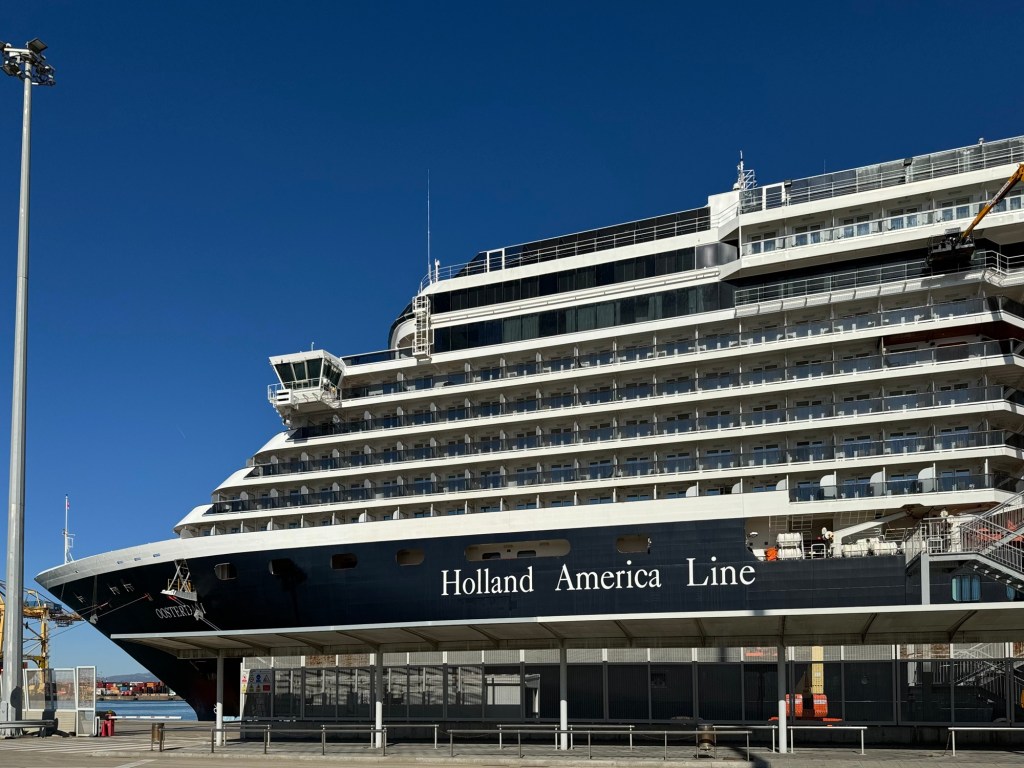
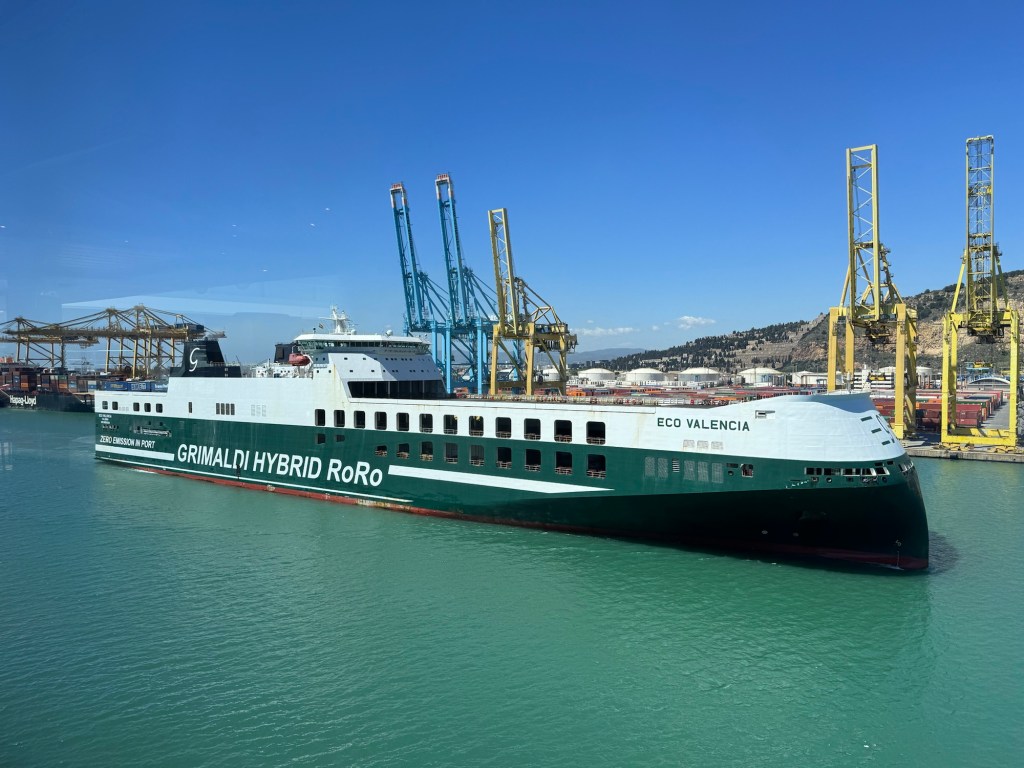
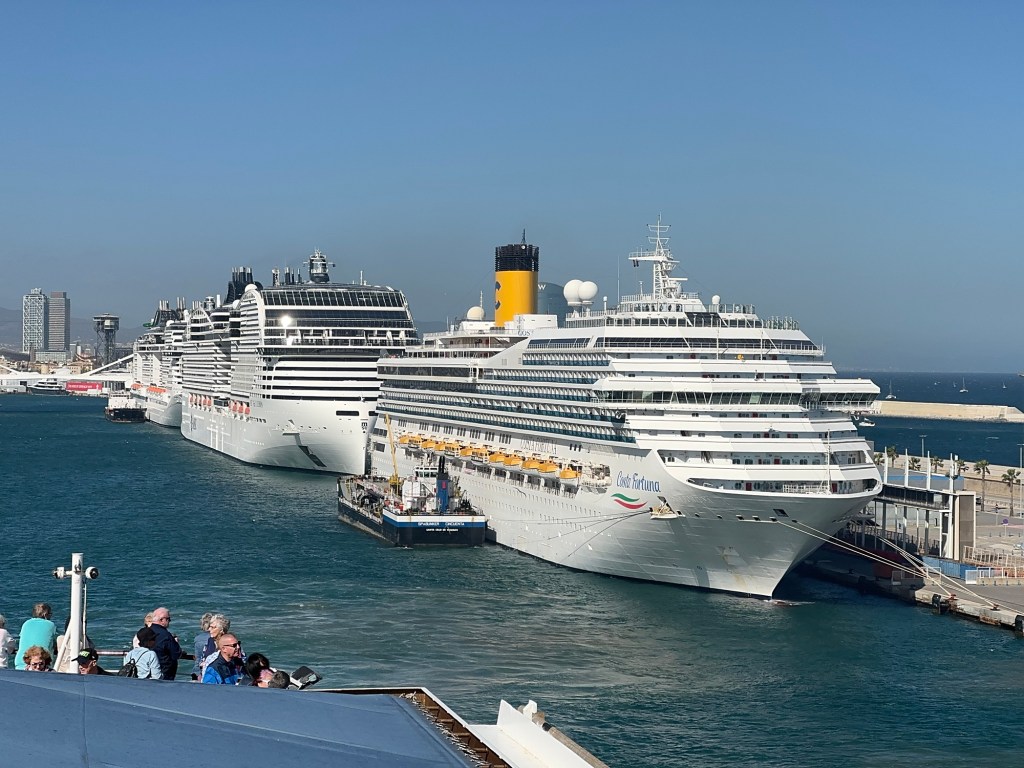
It was an early start from Carcassonne, back to Barcelona to embark on the next phase of our adventure, aboard the Holland America Oosterdam.
Embracing the journey.
It was an early start from Carcassonne, back to Barcelona to embark on the next phase of our adventure, aboard the Holland America Oosterdam.
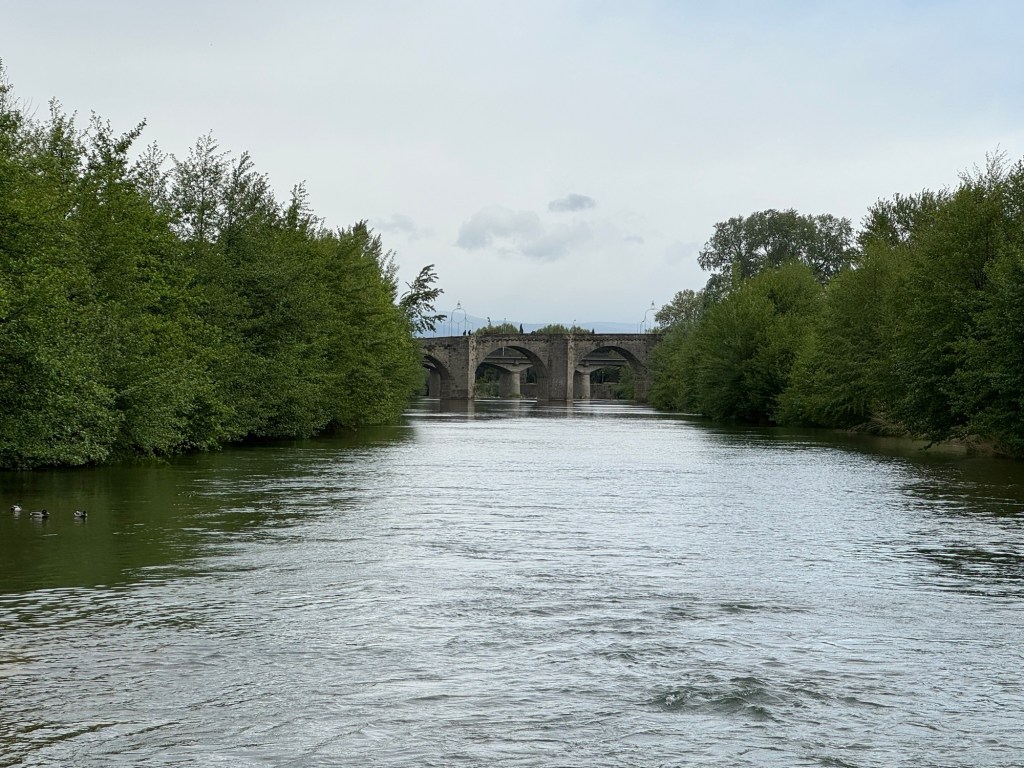
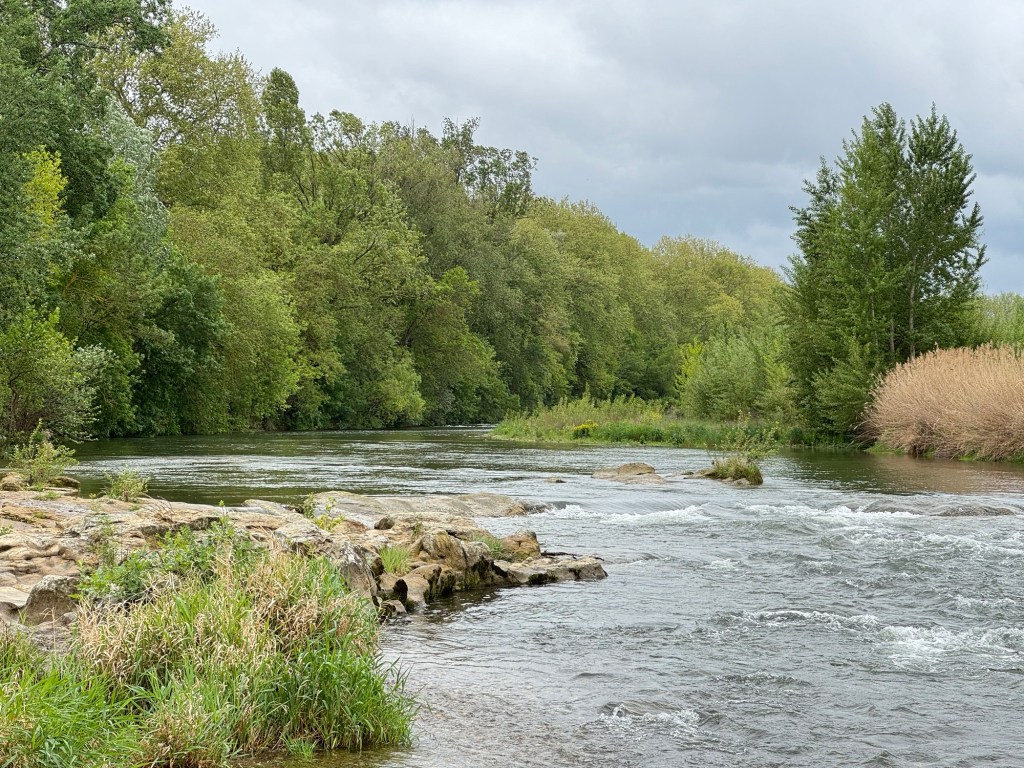
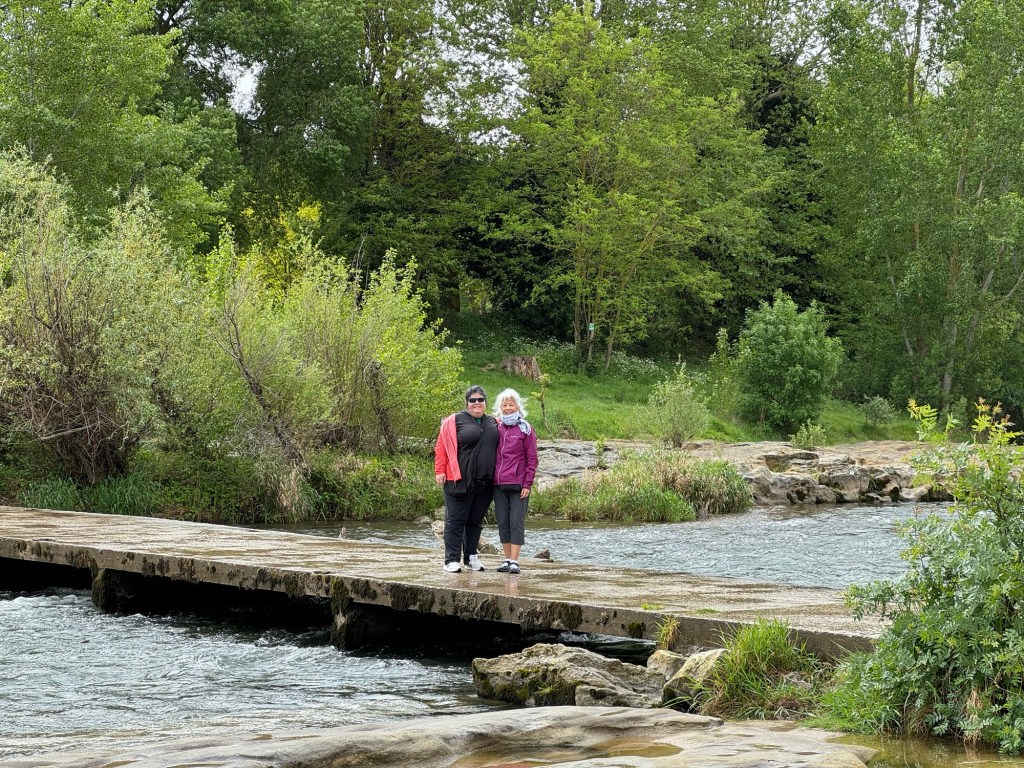
Today was our last full day in Carcassonne, and we had a simple wander along the river Aude, winding our way back to the Cité through walkways and parks.
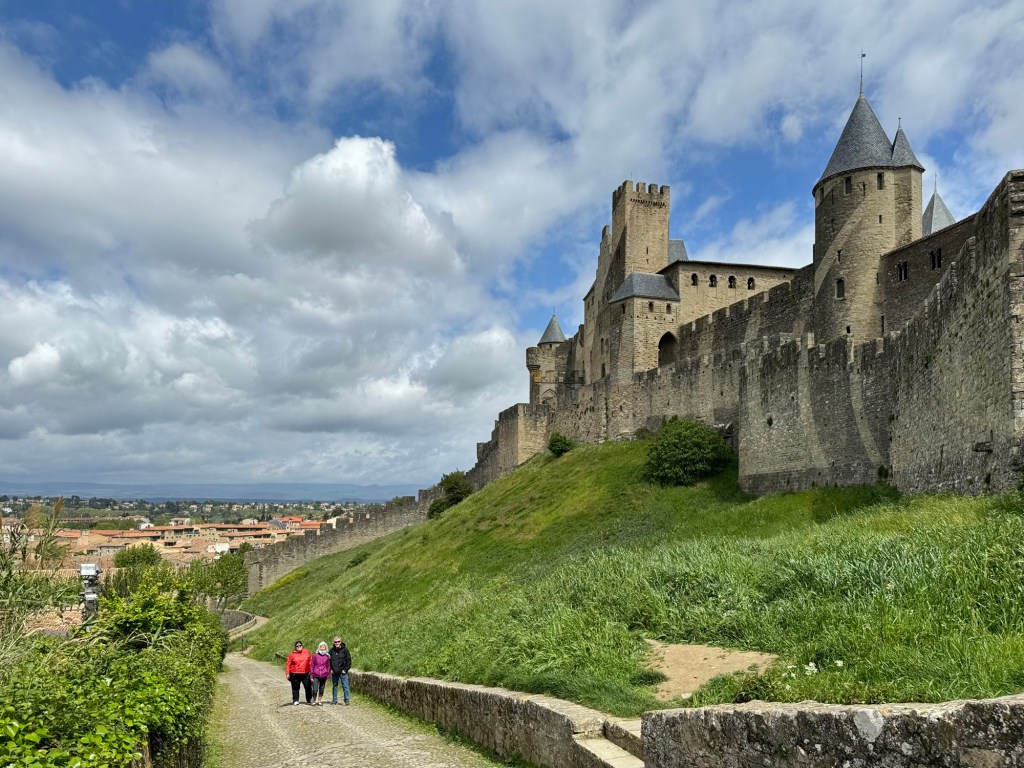
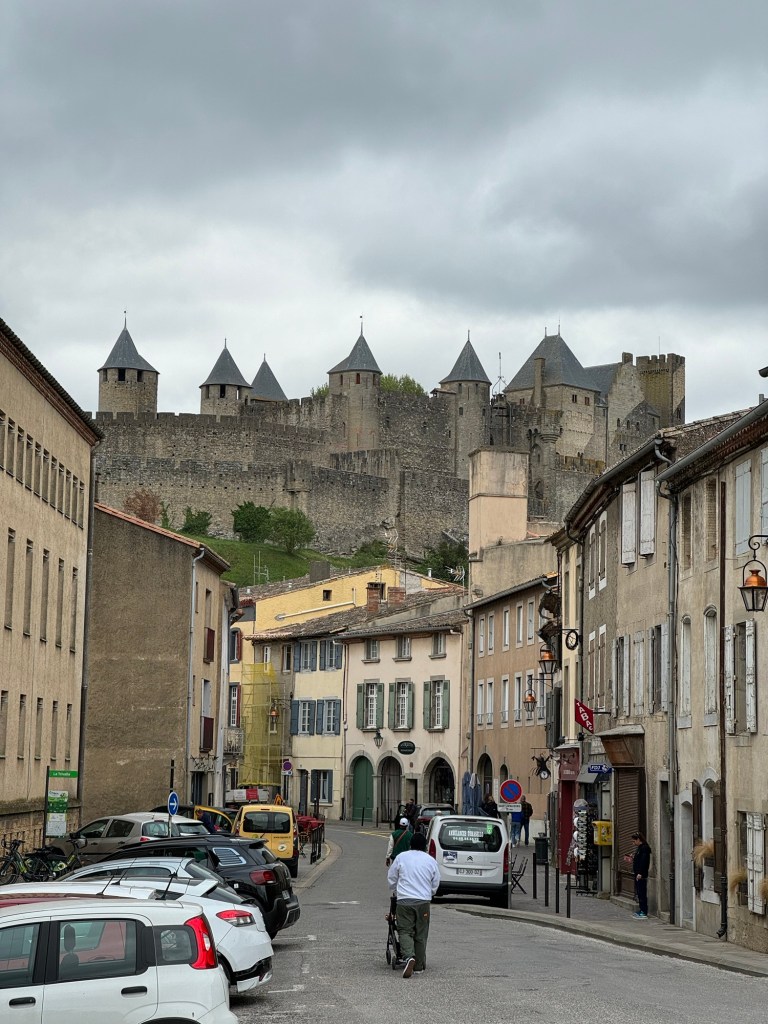
Today we walked the bailey, the area between the two ramparts, looking at the layers of construction and renovation, modification and restoration.
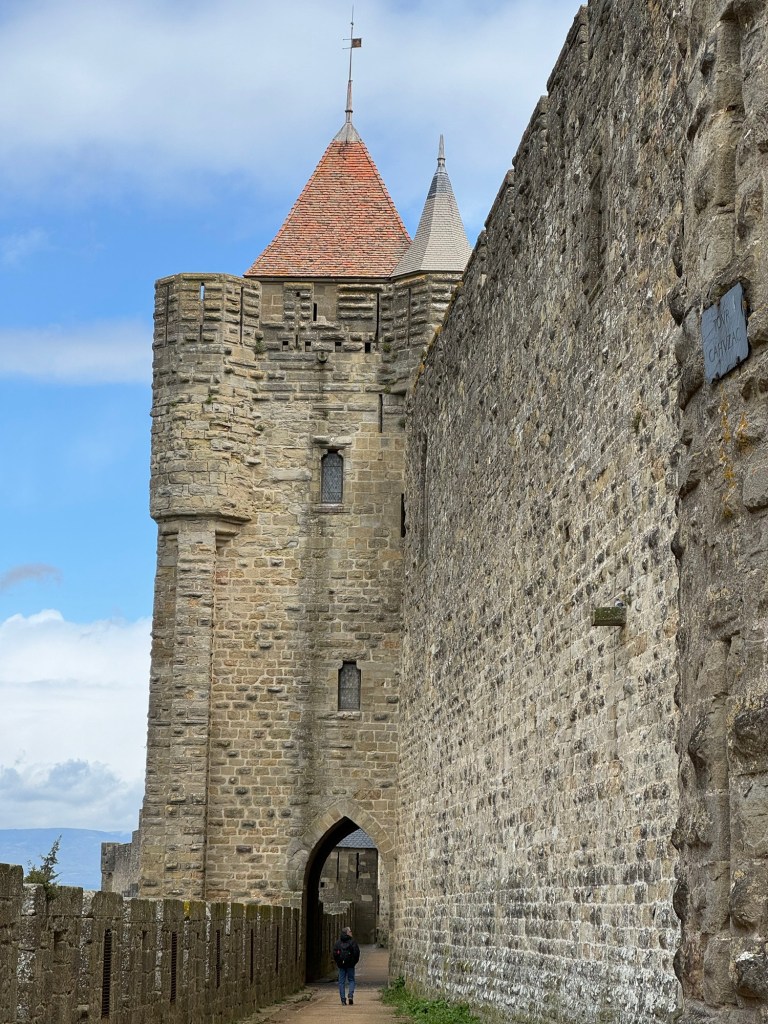
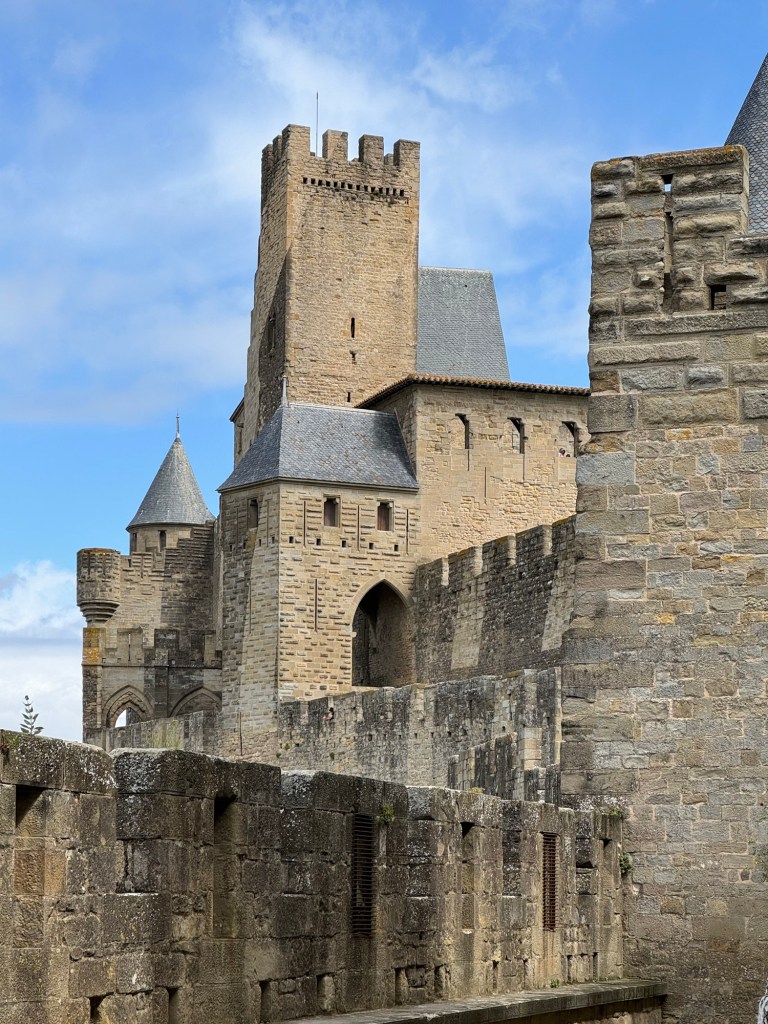
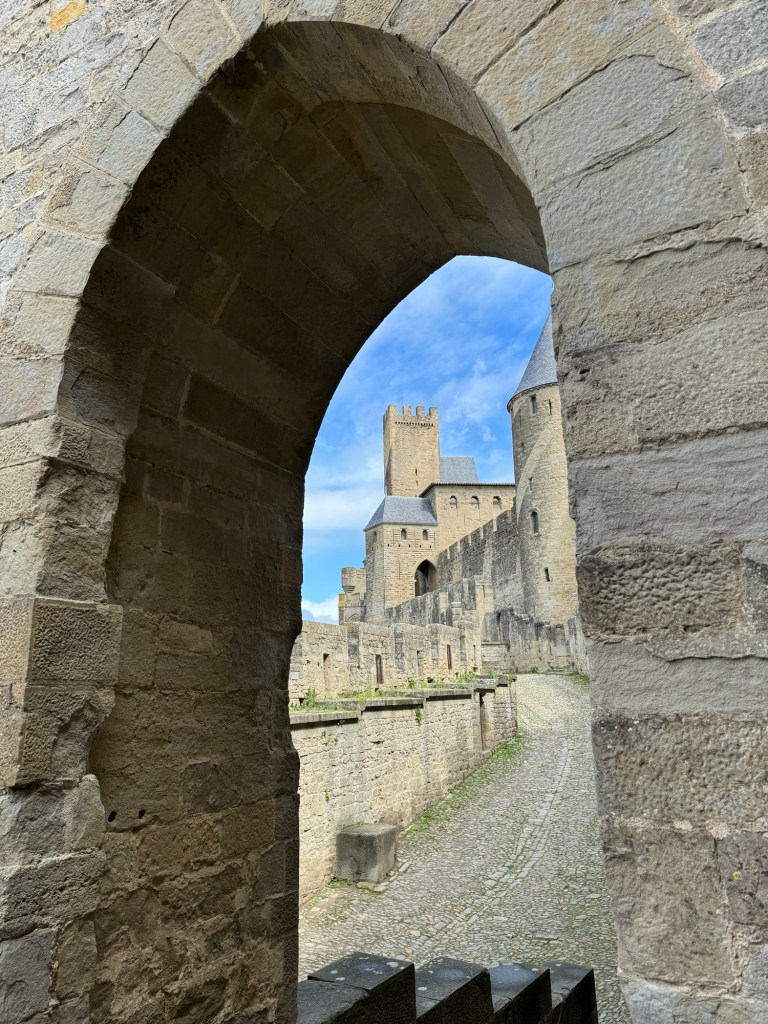
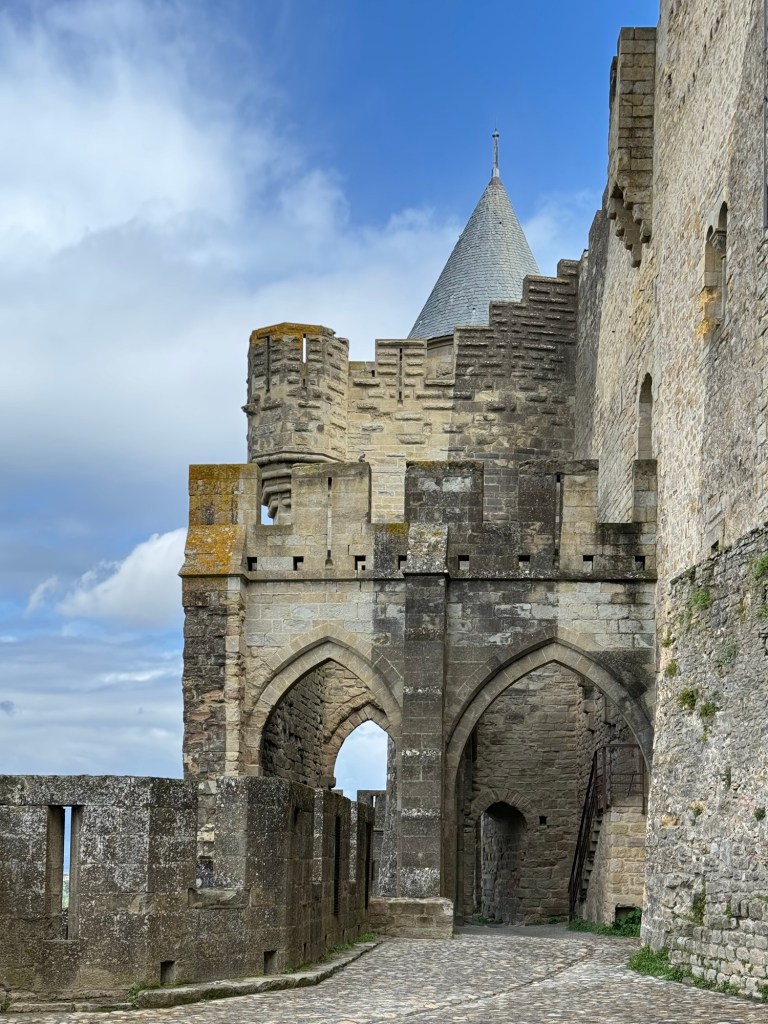
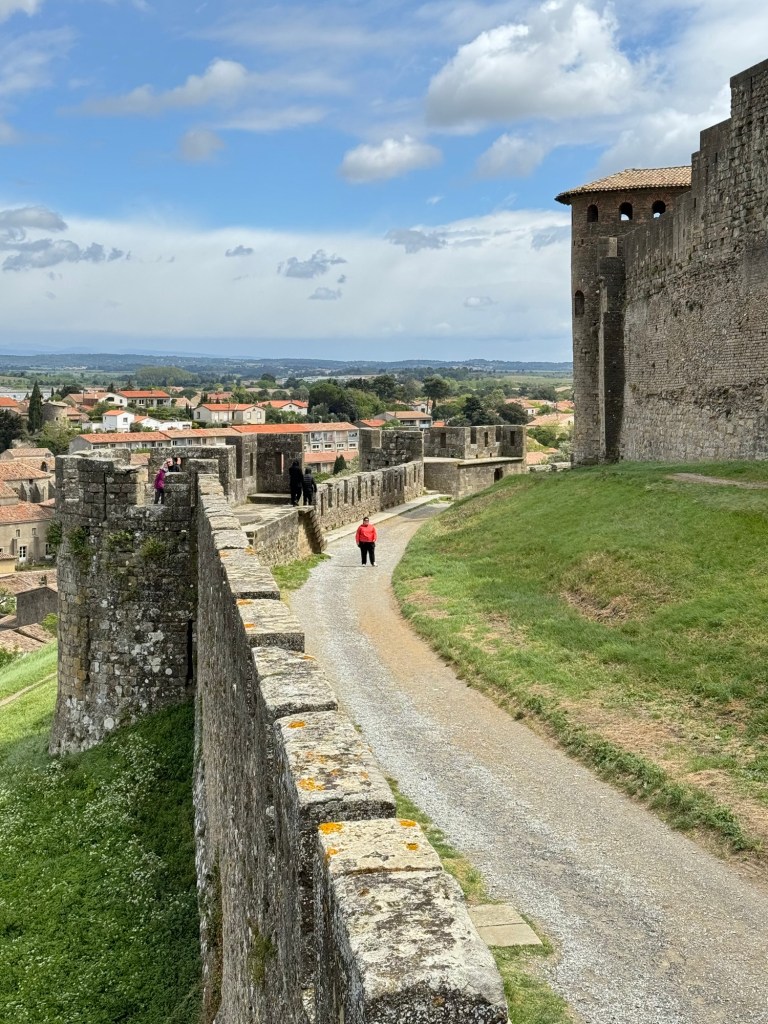
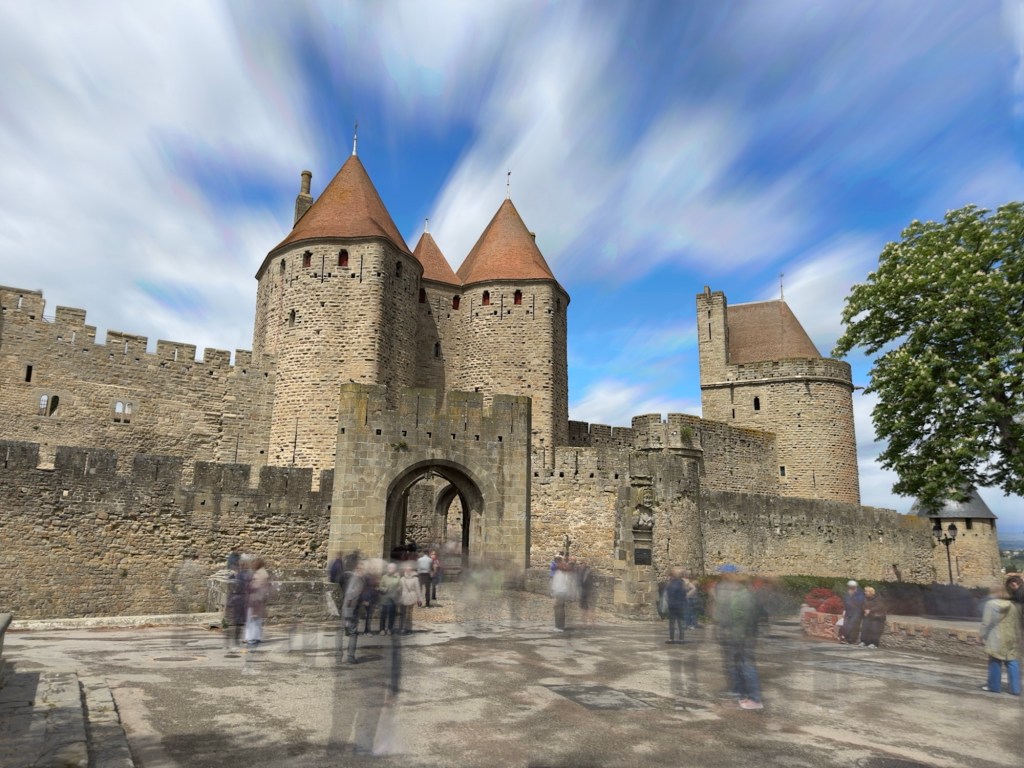
Then we walked through the heart of the tourist zone before descending through grasses and poppies to cross back to the Bastide for a late lunch.
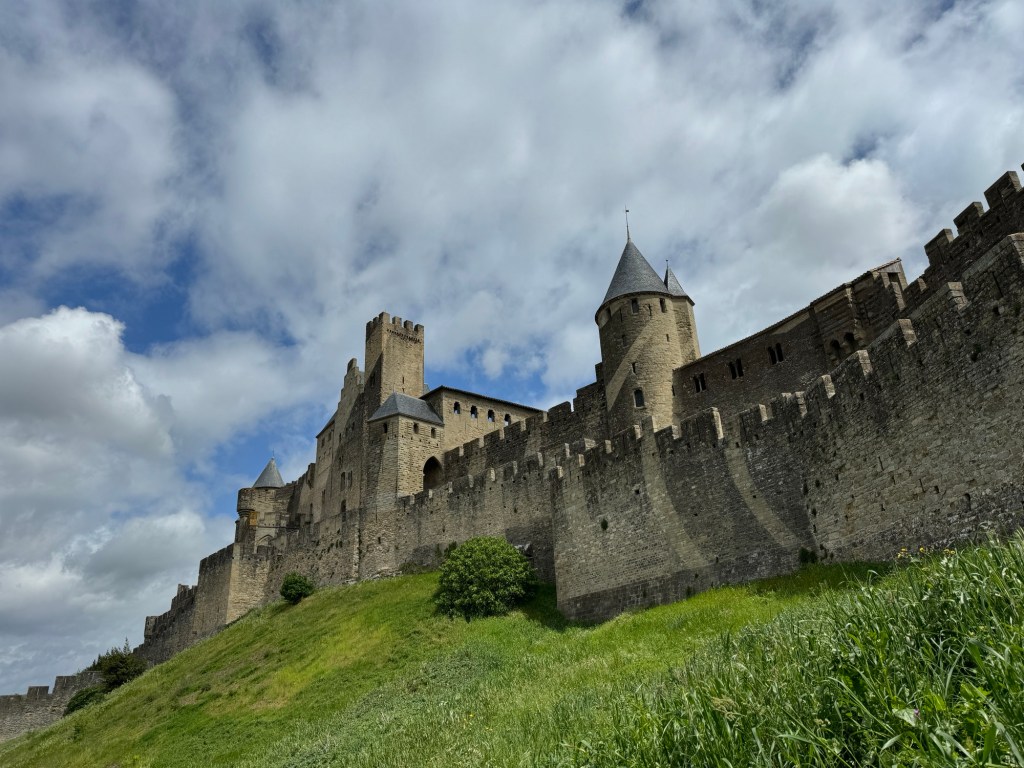
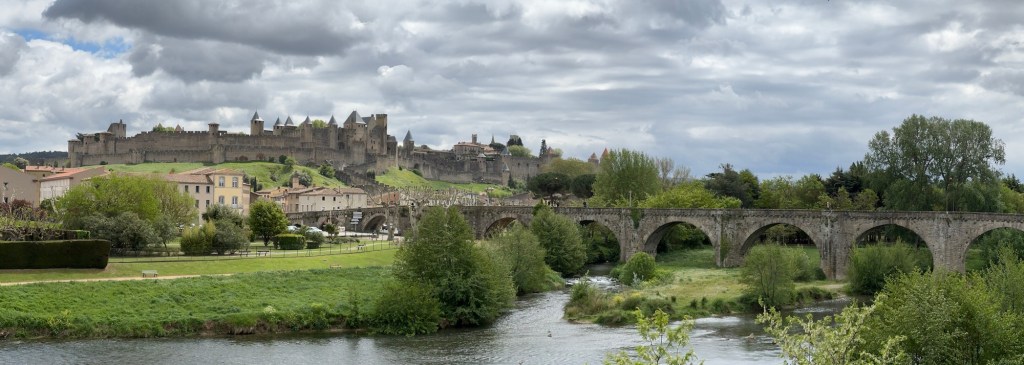
After lunch Jen and Dave went to the apartment to start organizing for packing (and perhaps sneaking naps), while Mom and Dad walked and window-shopped.
Carcassonne: a great place to visit, truly deserving of its immortalization in board game form.
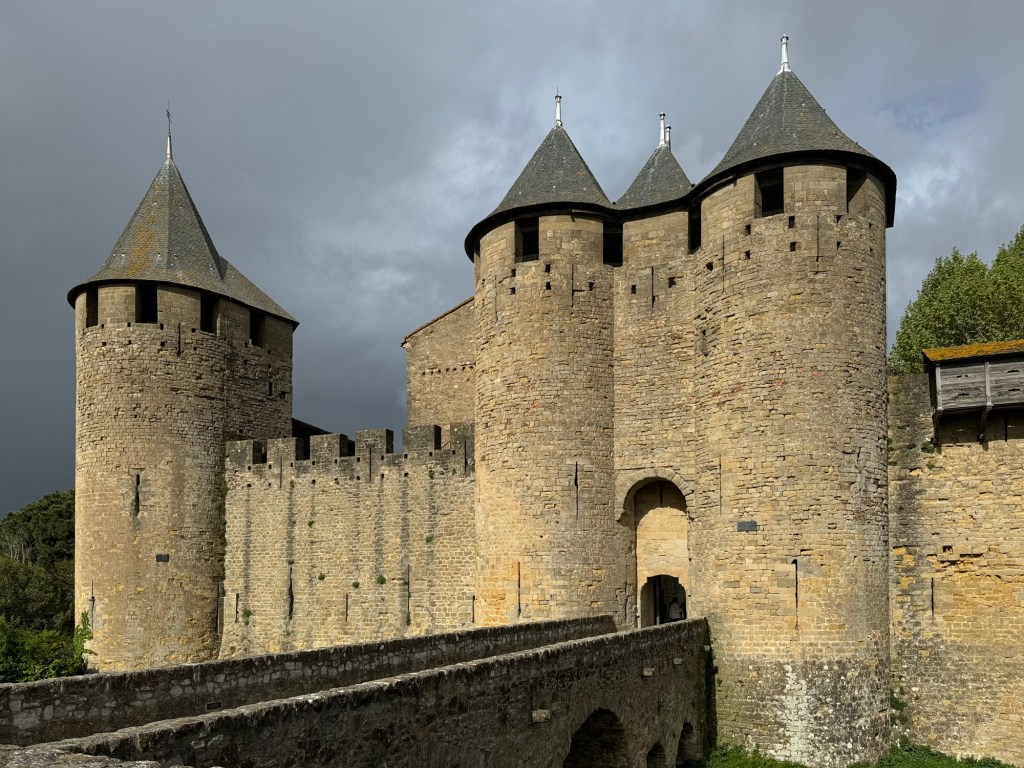
Today was the day to explore la Cité proper – a UNESCO heritage site, an active city, and a castle restored many times over the centuries. It was amazing.
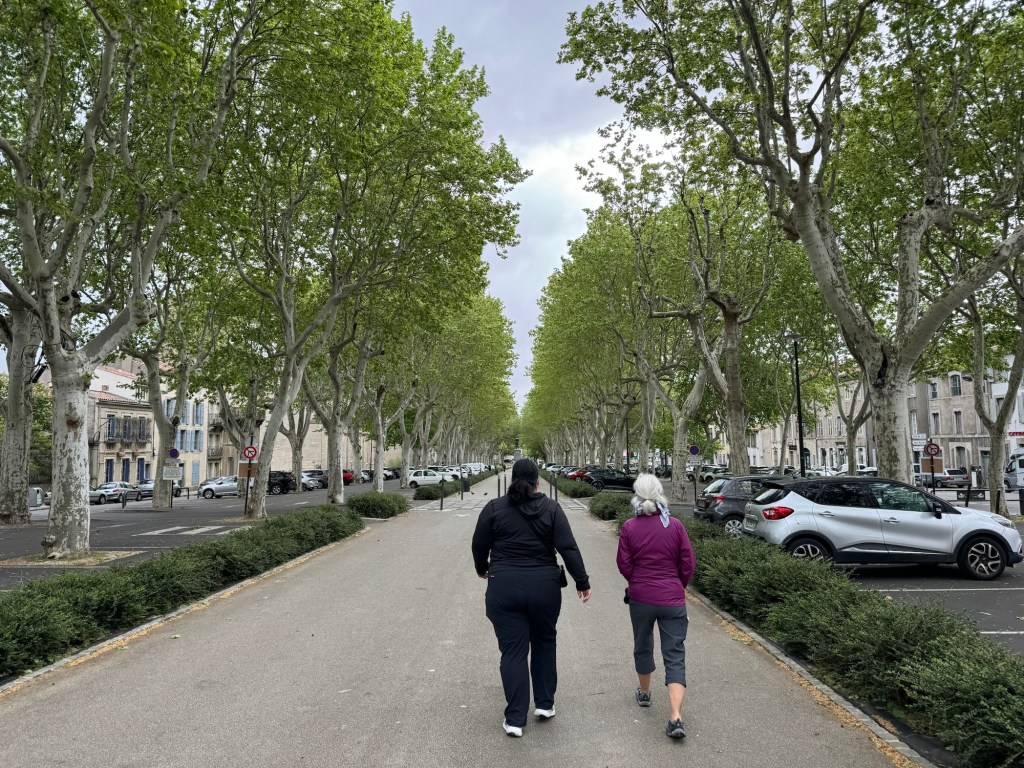
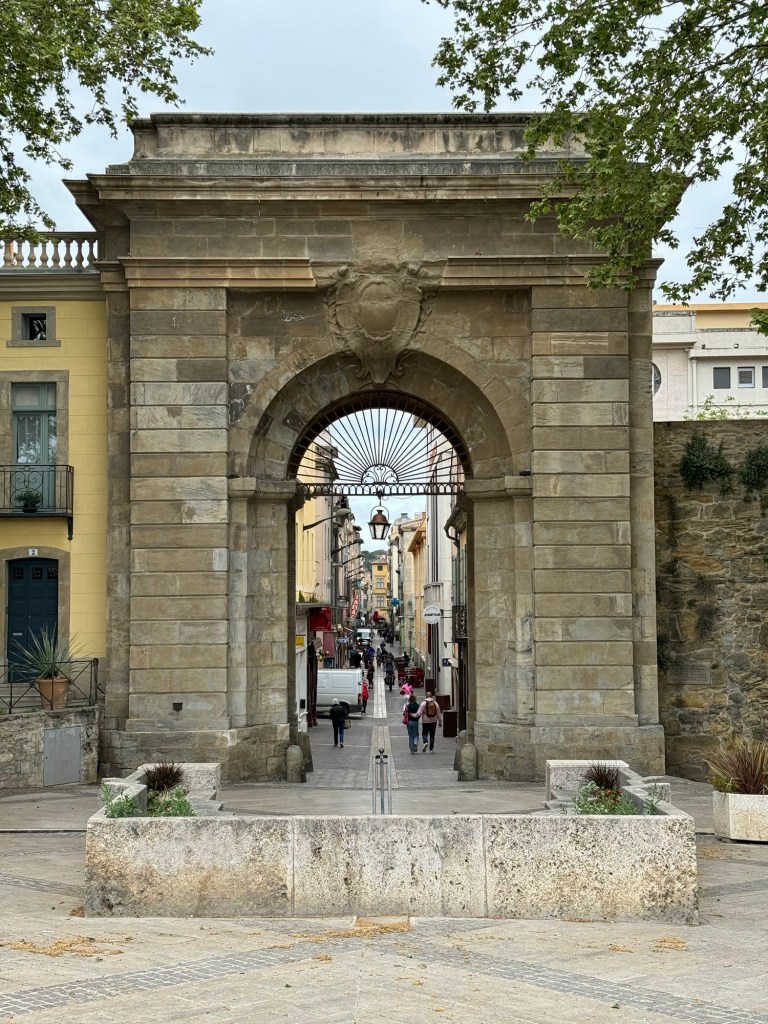
We started with the walk across the city, then the old bridge, and the businesses outside the rampart.
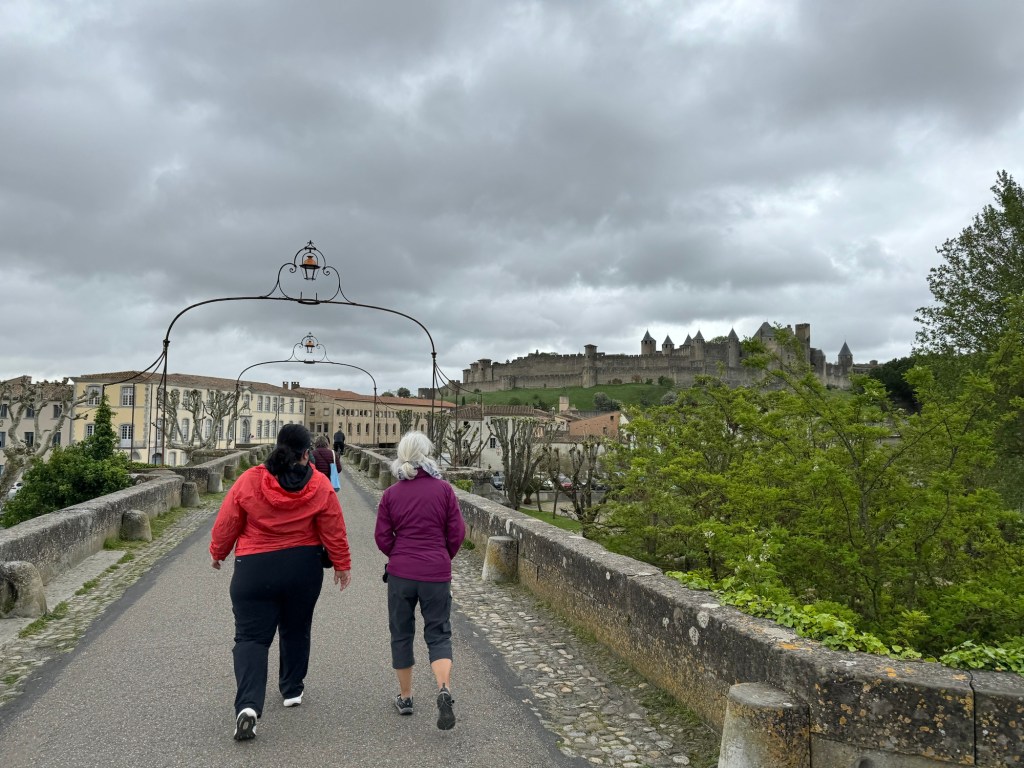
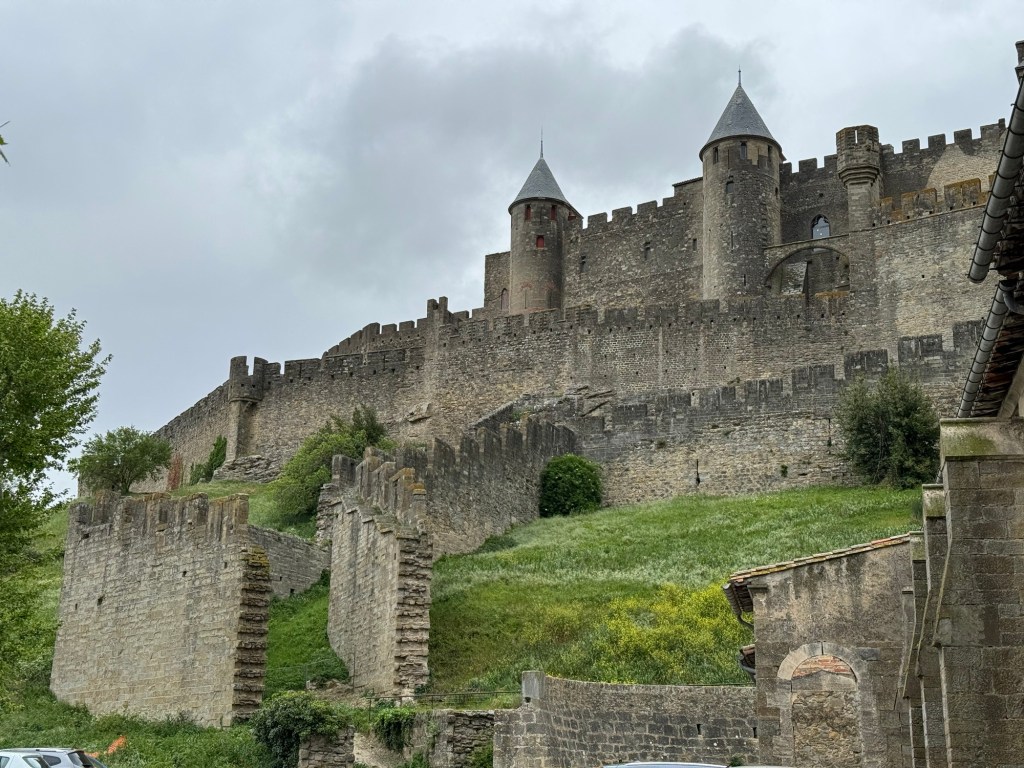
The castle itself consists of two walls, 3 km long, surrounding both the Chateau and a community of businesses and homes.
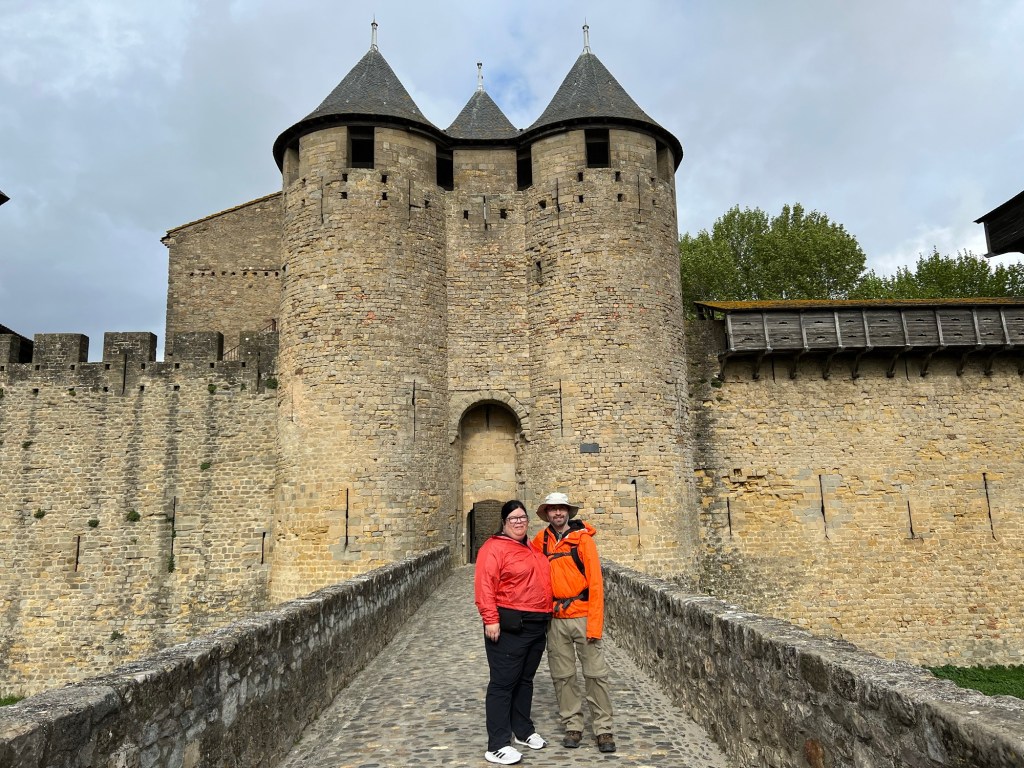
We started at the Chateau, learning how the castle was developed and changed over centuries, depending on the ownership.
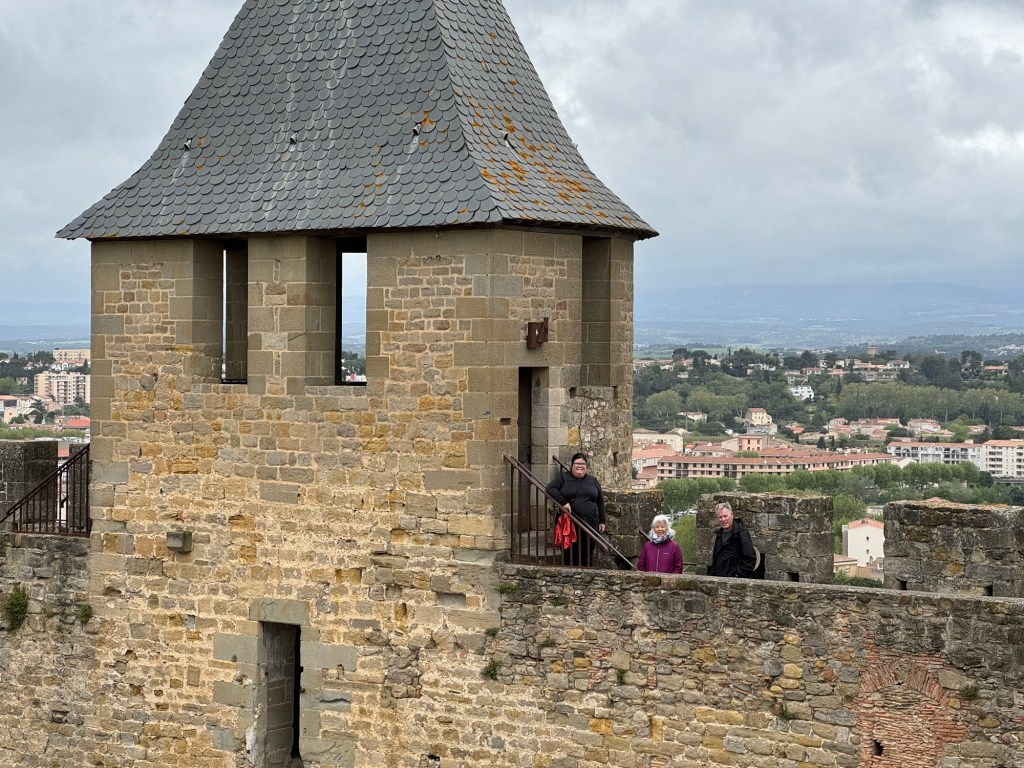
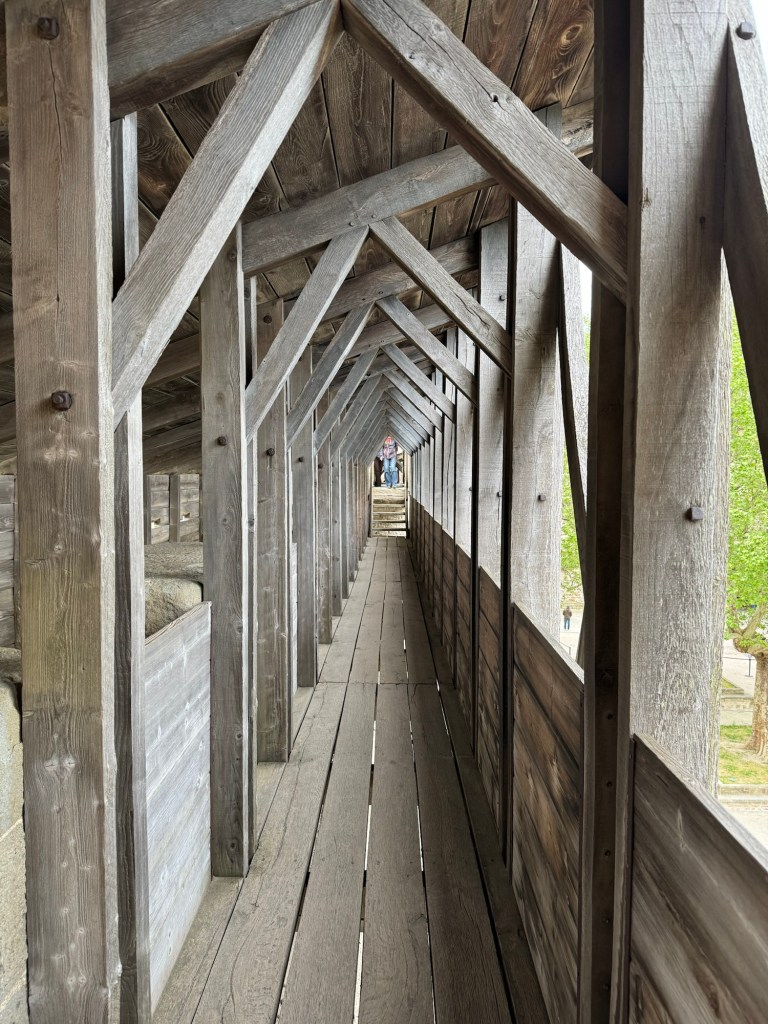

Next came a walk on the outer ramparts, with fabulous views albeit strong winds.
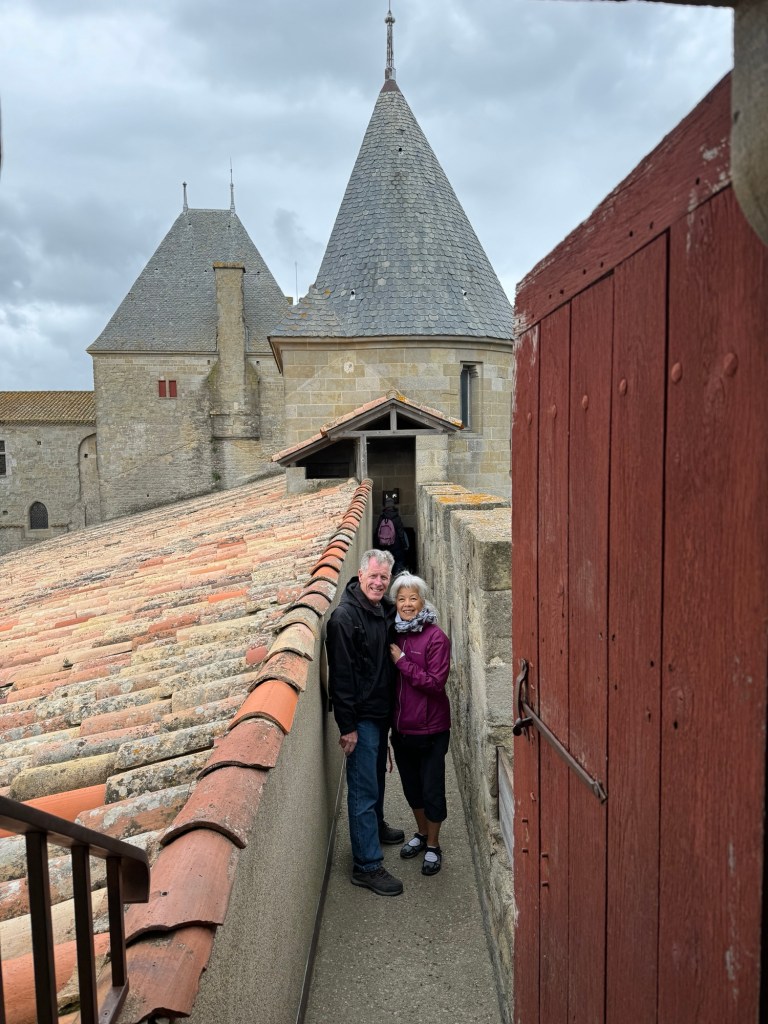
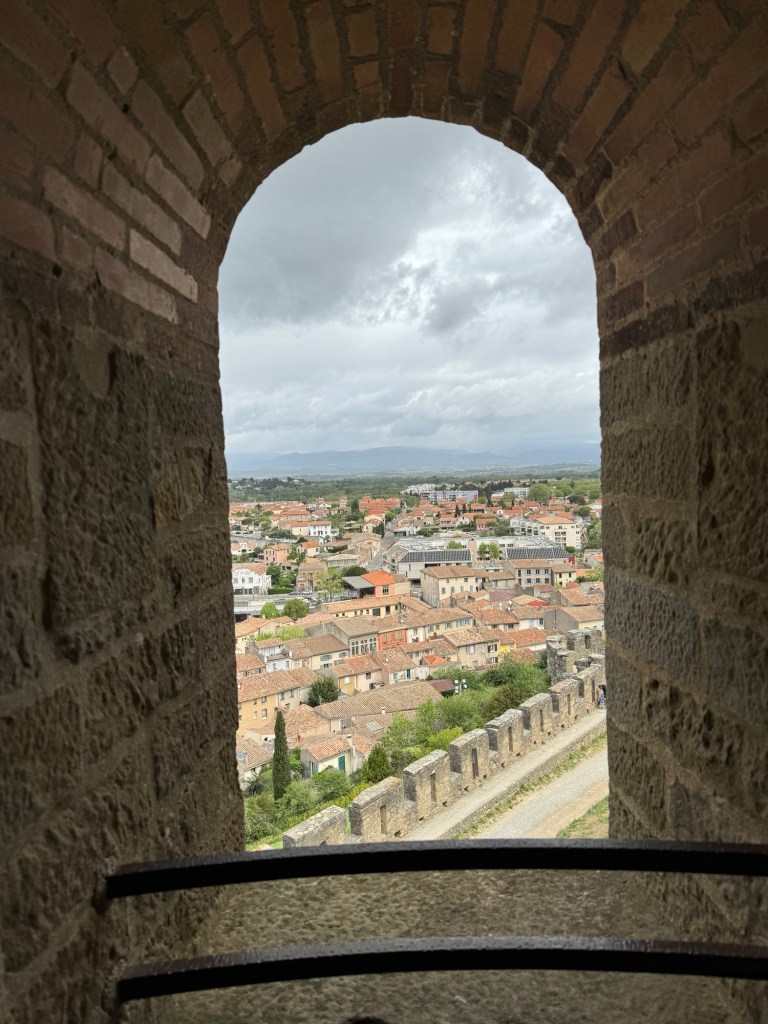
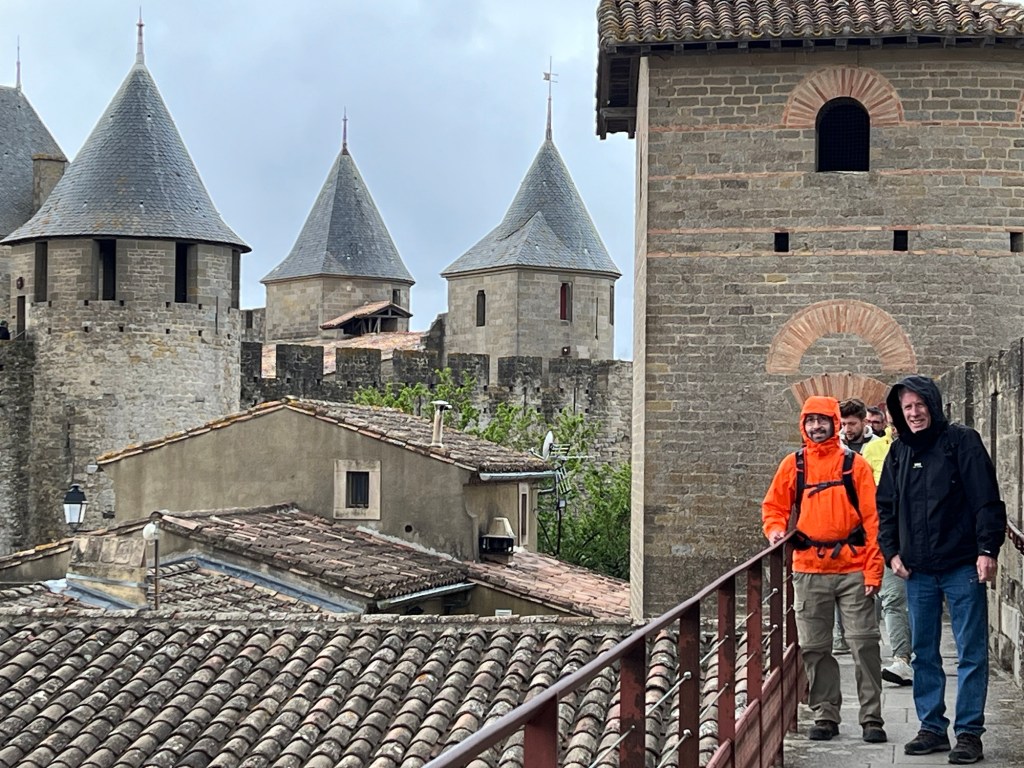
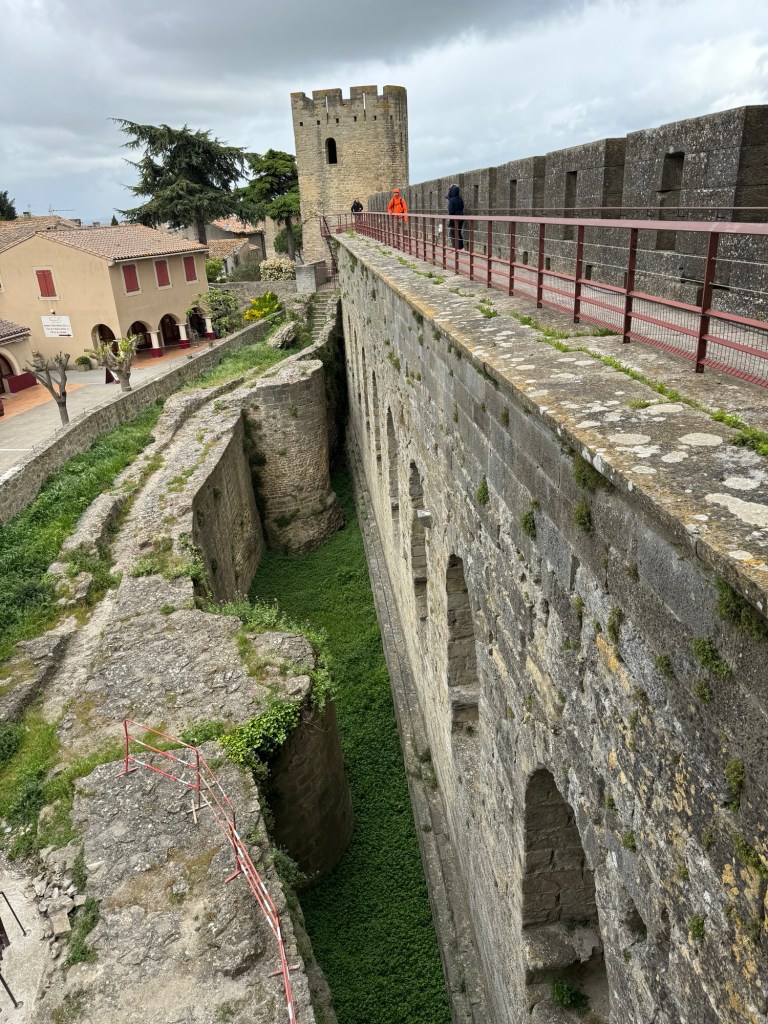
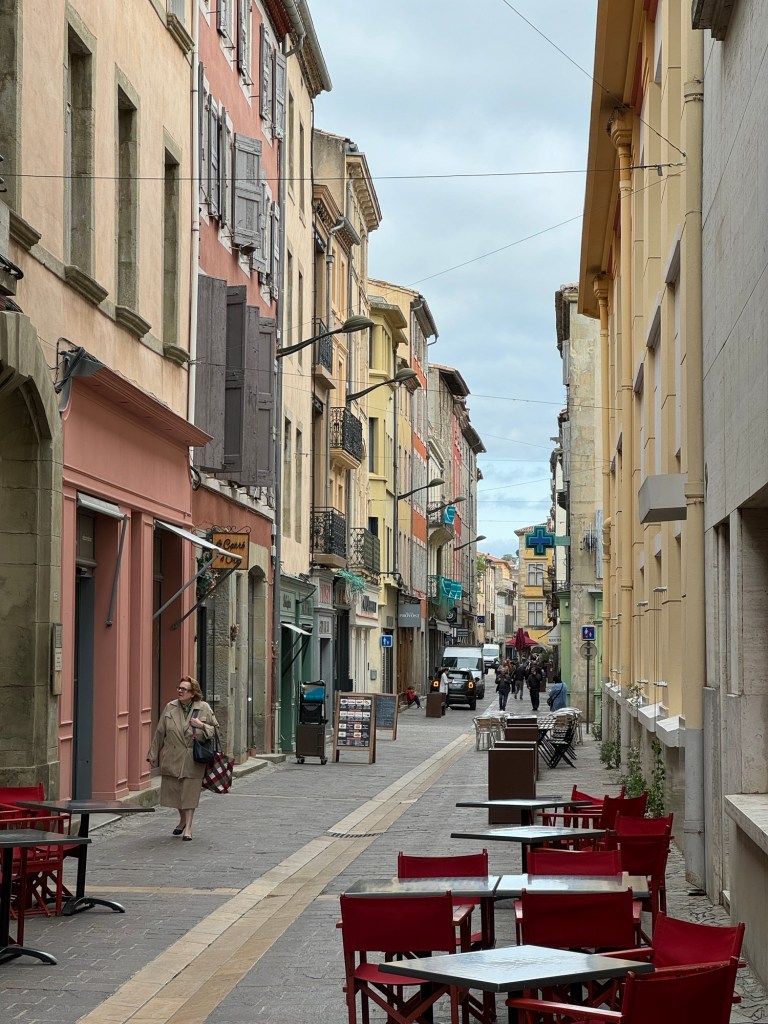
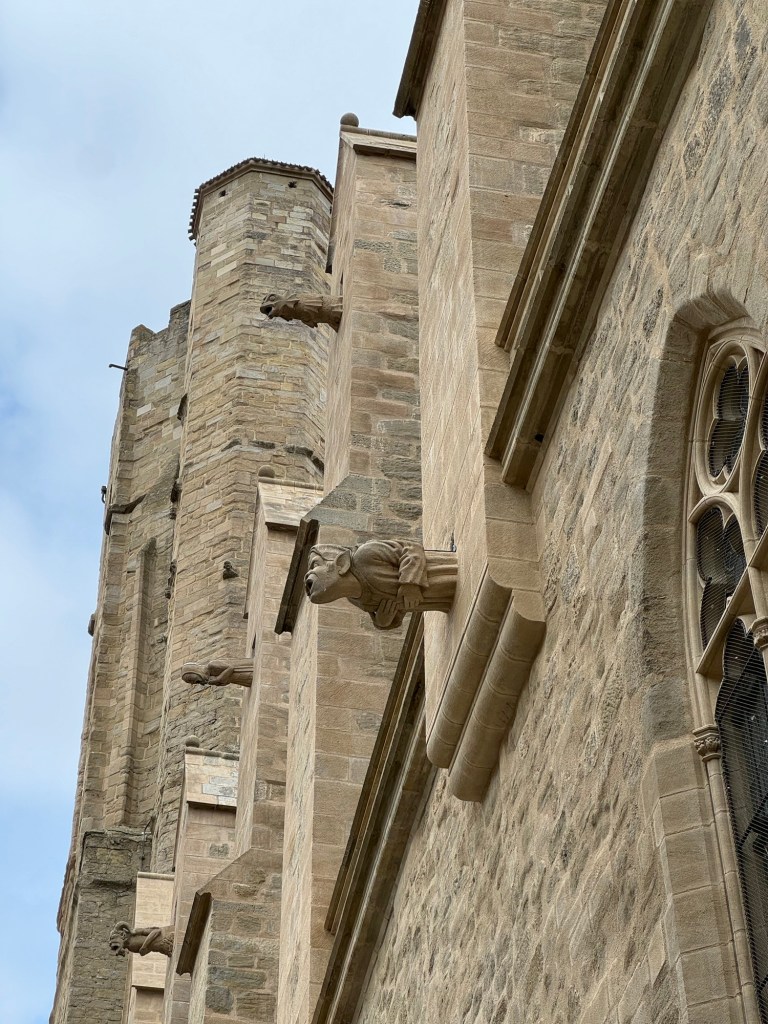
After a quick bite to eat we wandered the streets, toured the basilica and shopped a bit. The board game Carcassonne was a must-buy (somehow we don’t have it).
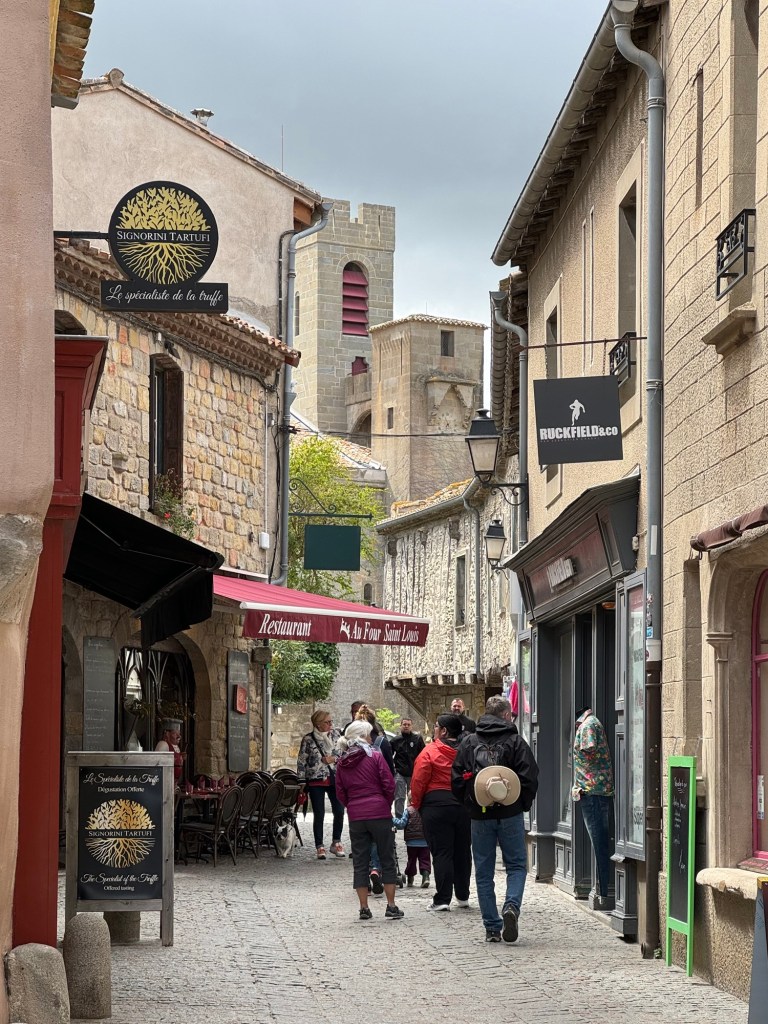
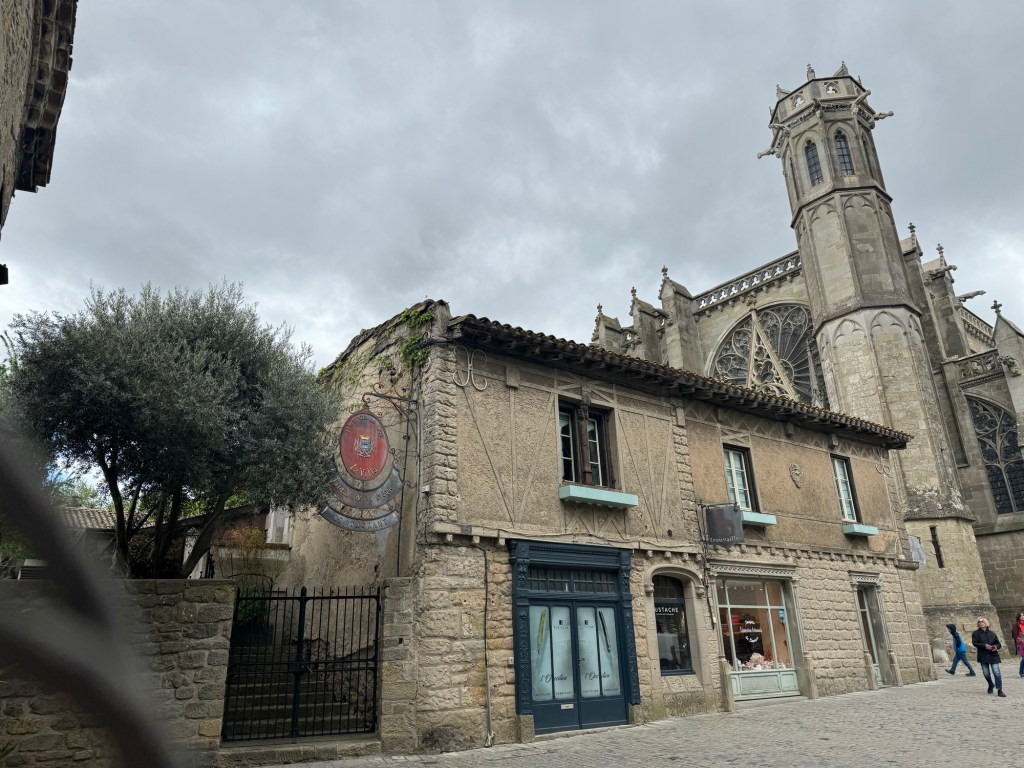
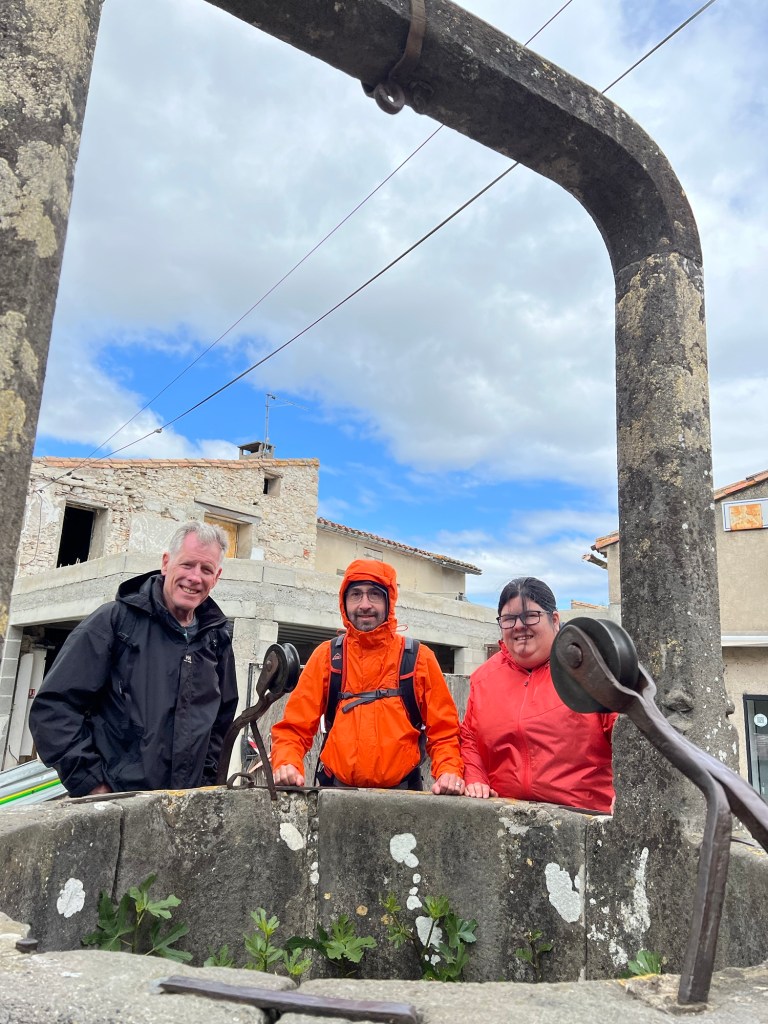
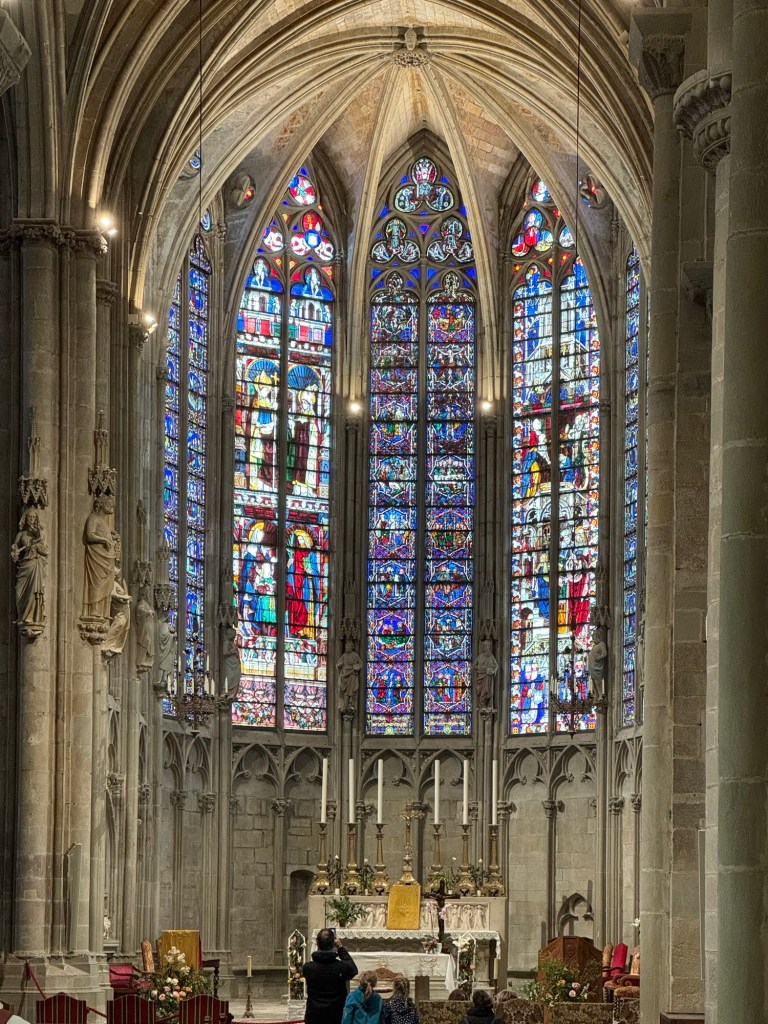
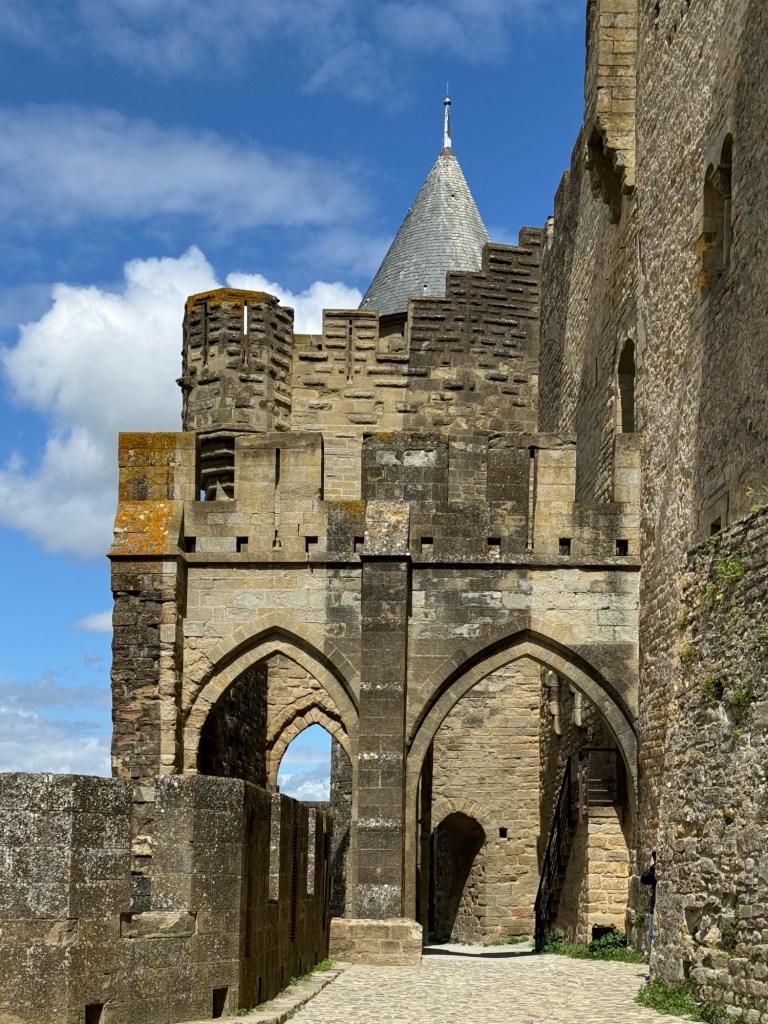
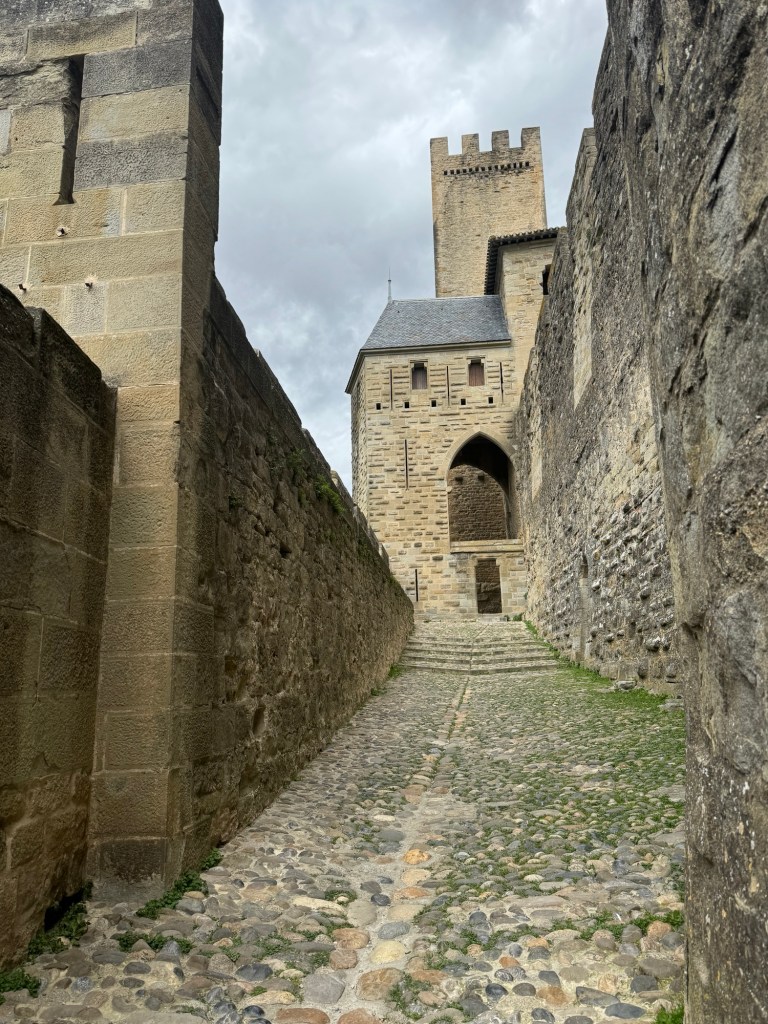
After a thorough exploration it was back to the apartment for a bite to eat and bed!
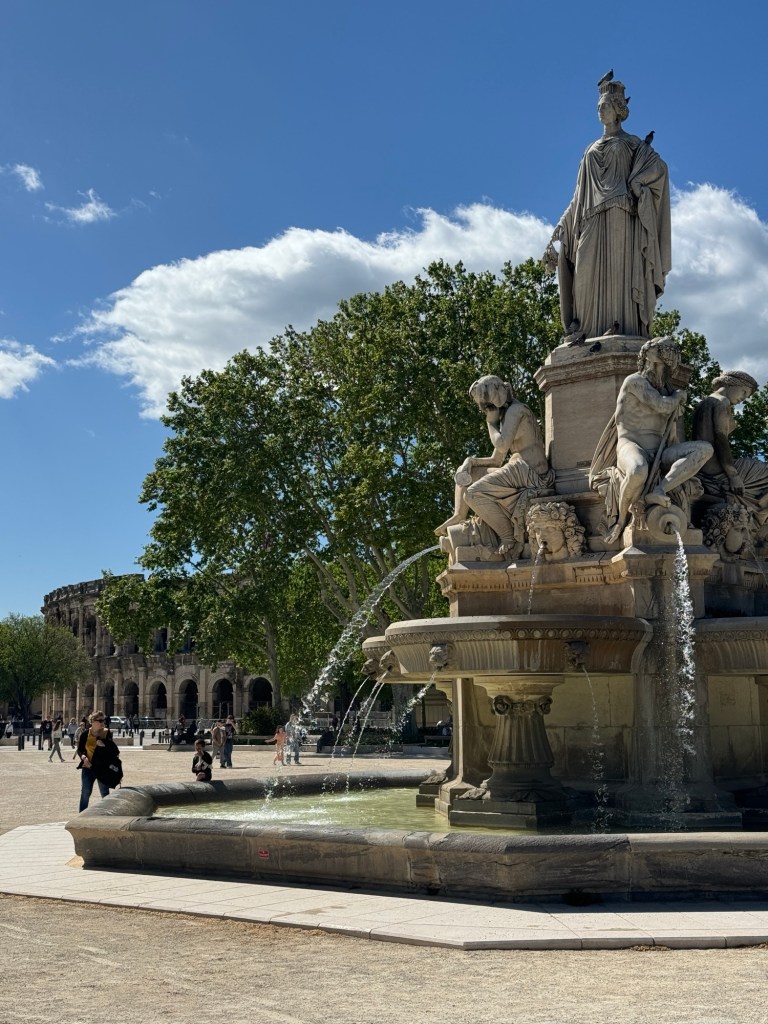
The weather was cool and drizzly in Carcassonne, so it was a good day to day trip to somewhere sunnier and warmer – namely, Nîmes. After a lovely drive on the well-maintained toll highway, we meandered through villages and arrived downtown.
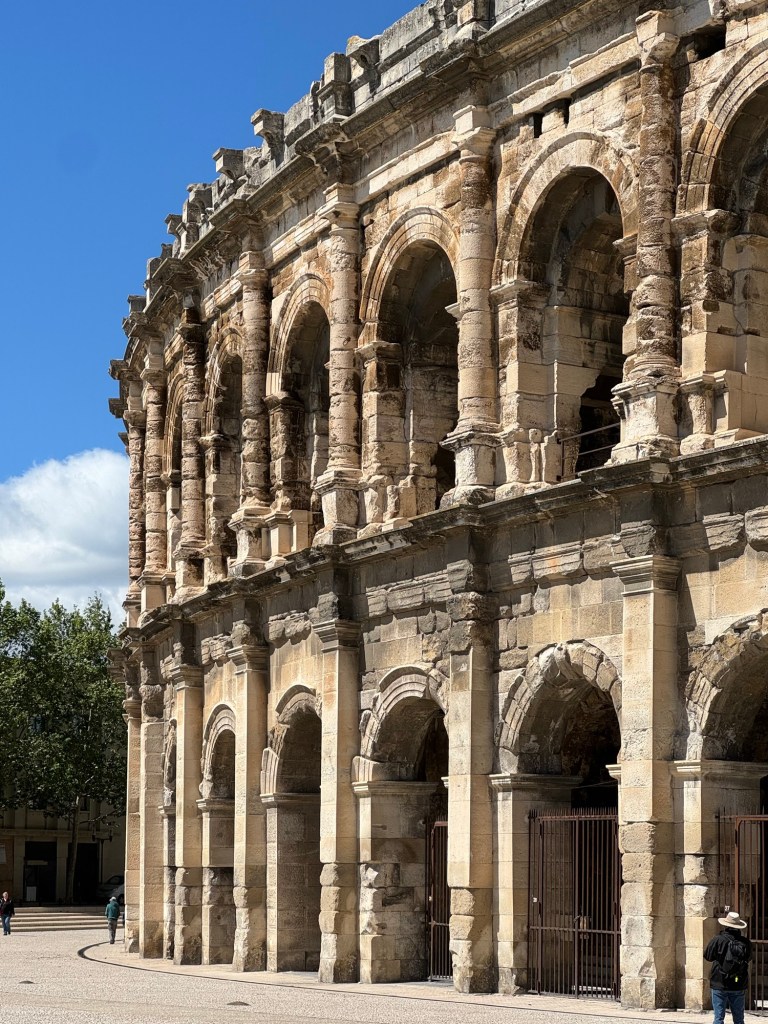
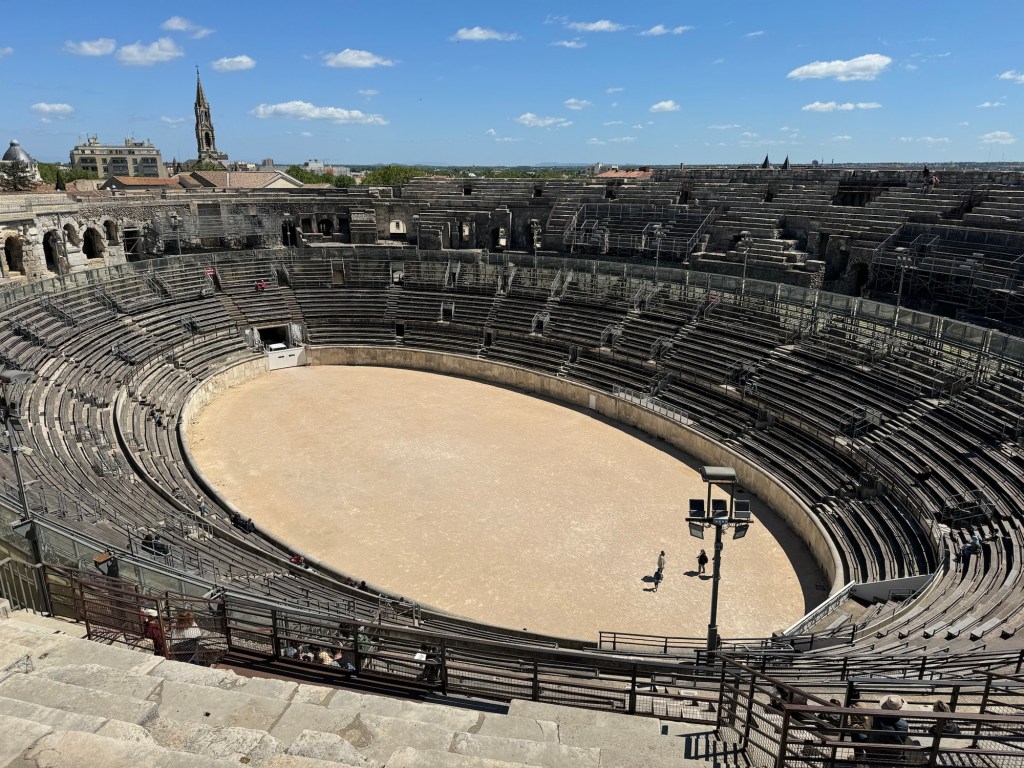
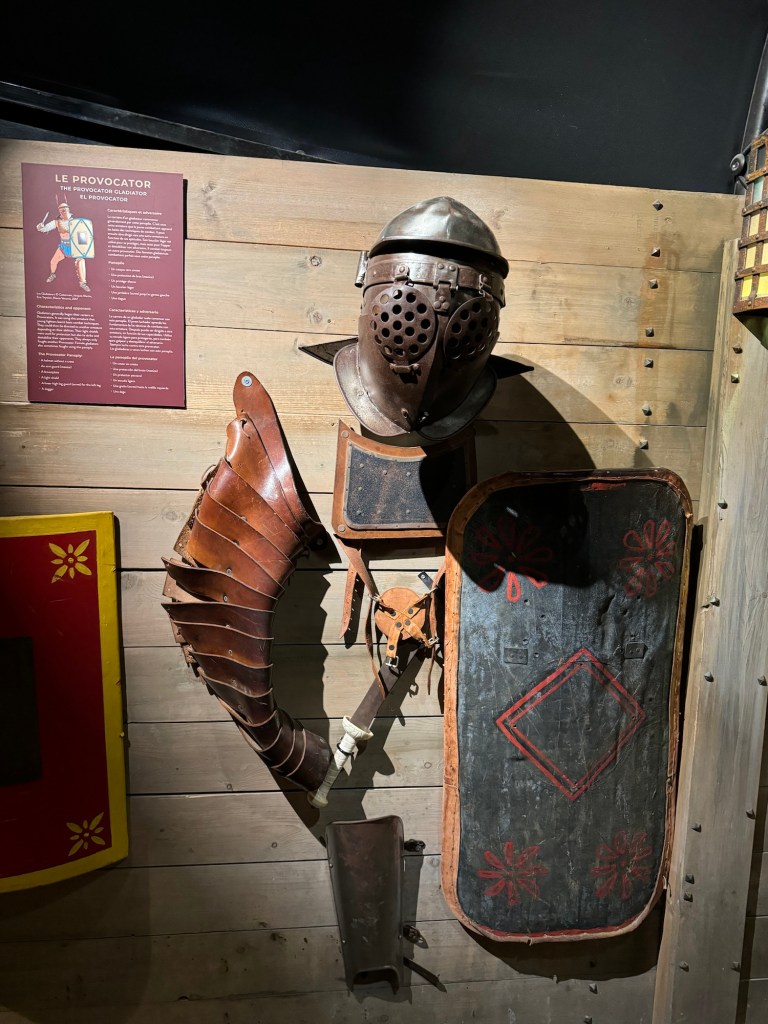
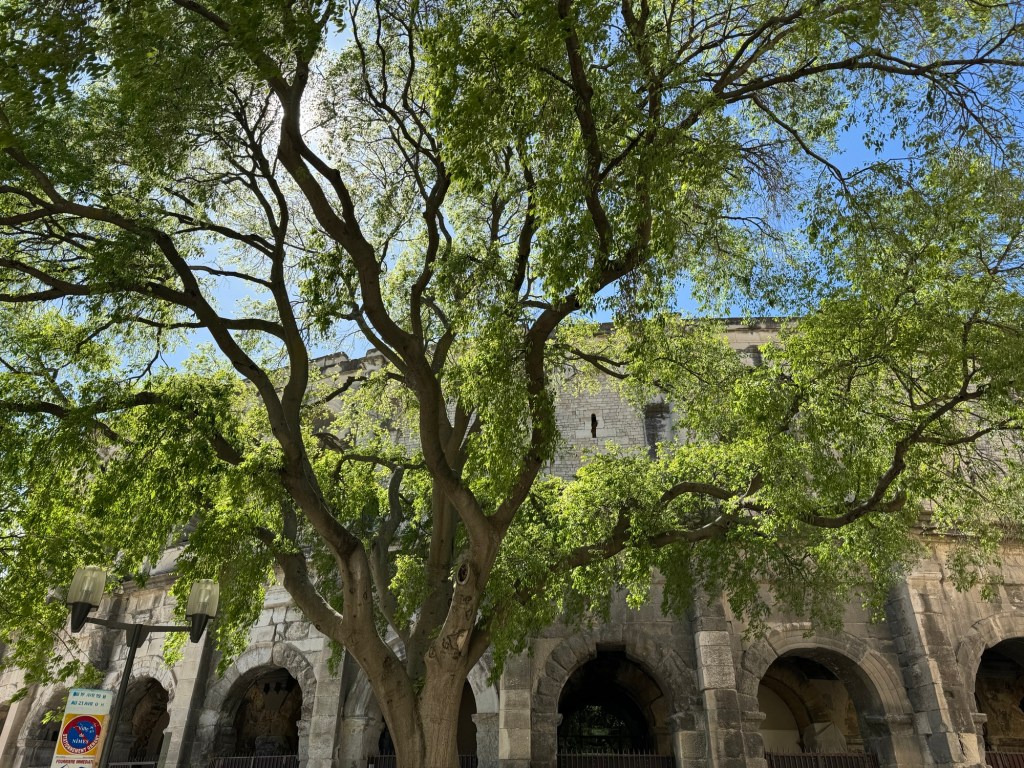
And there it was. The Amphitheater of Nîmes – home to ancient Roman gladiators, emergency housing, Napoleonic bull fights, and modern day rock concerts. Built to last, and regularly restored and reconstructed. Fascinating.
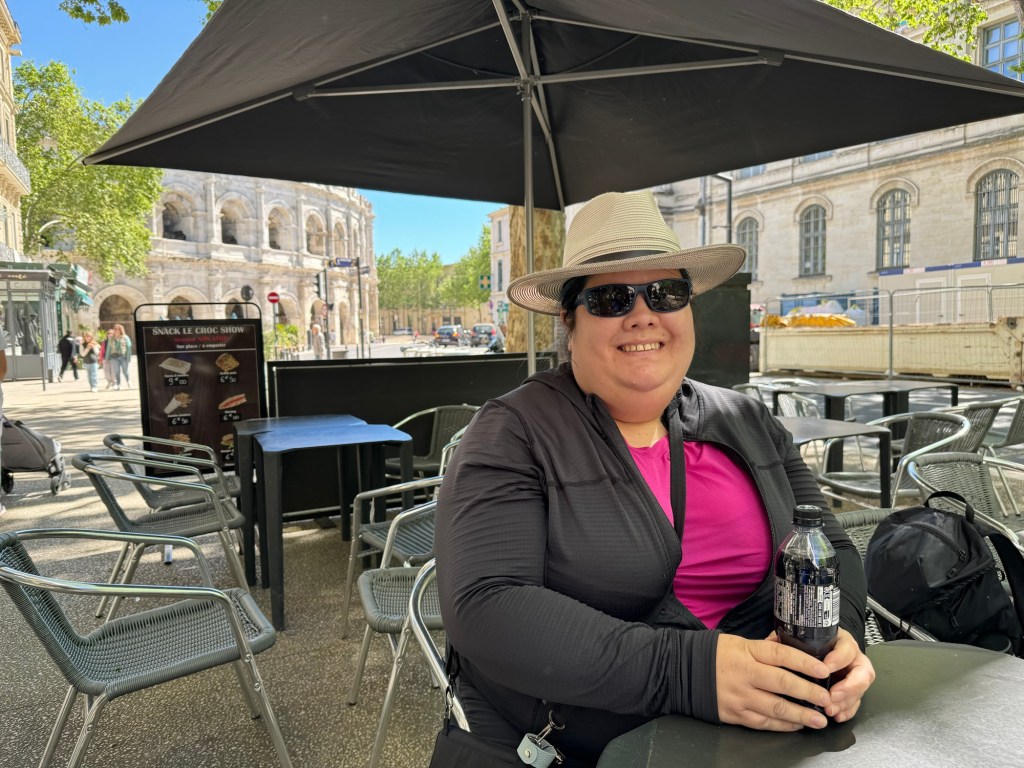
After a lunch of kebab and sandwiches from a street side vendor, we were off to our next stop.
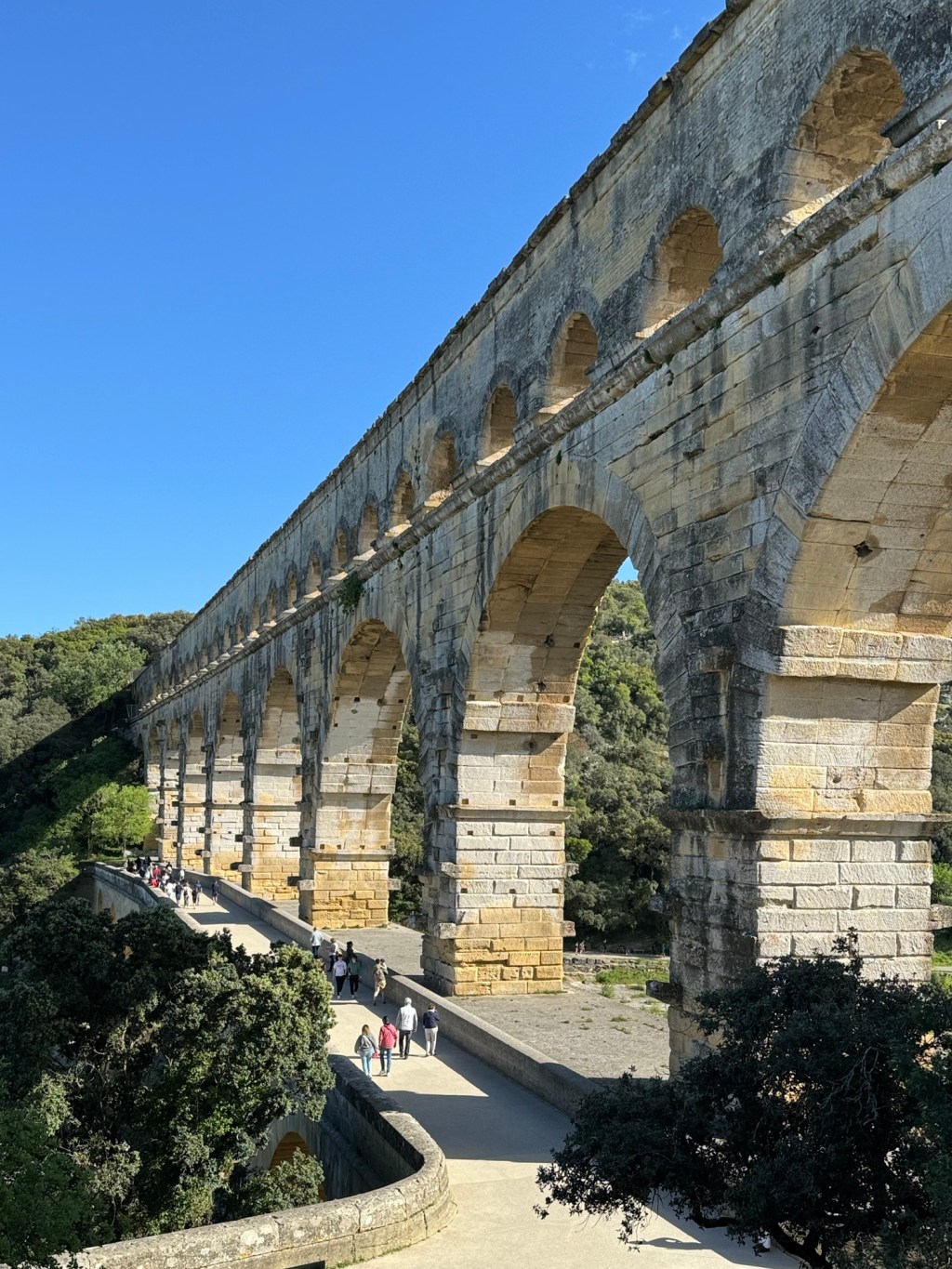
The Pont du Gard is a landmark Roman three-tiered aqueduct in remarkable condition. It was amazing to explore it – and we hit it right at the golden hour.
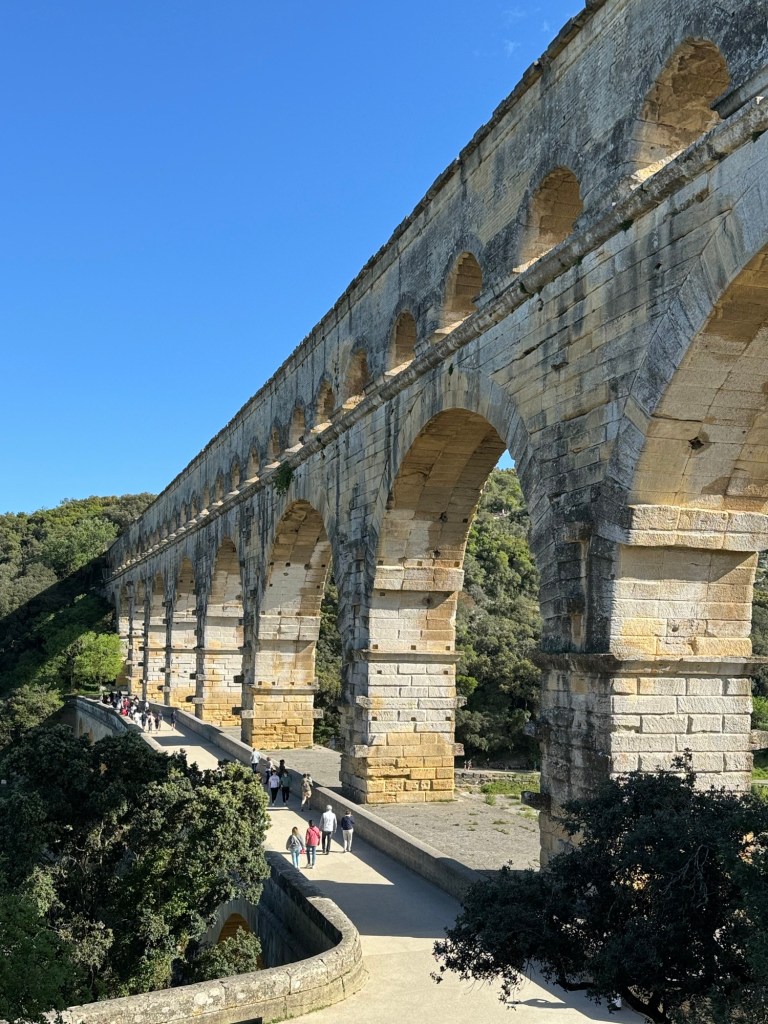
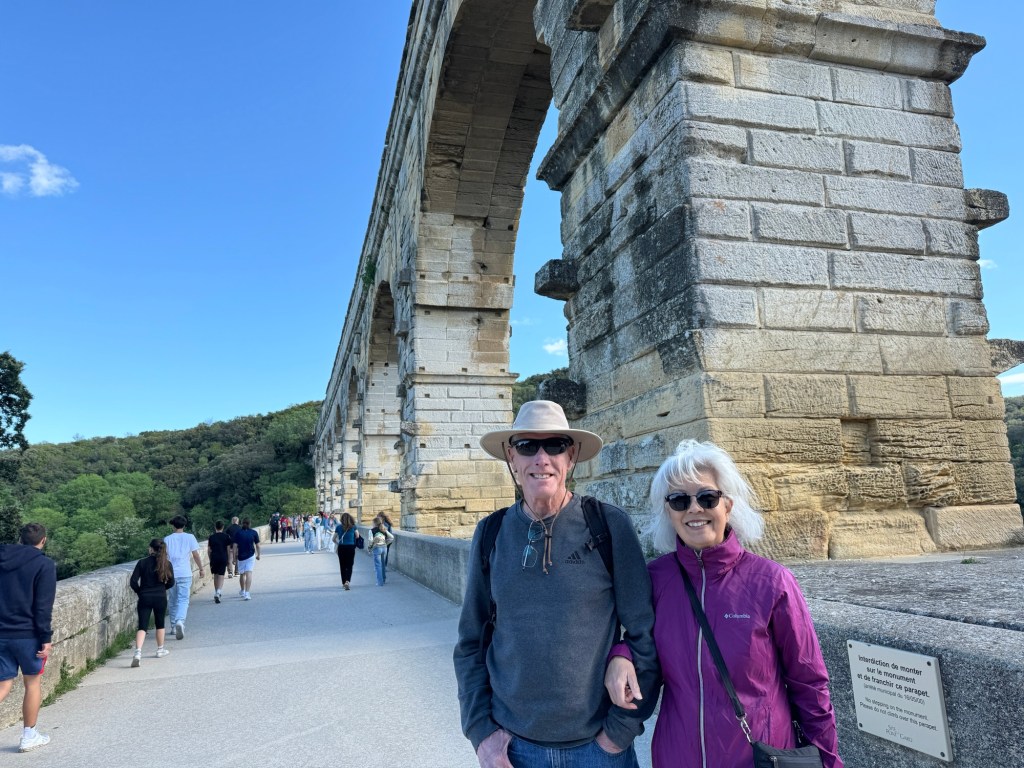
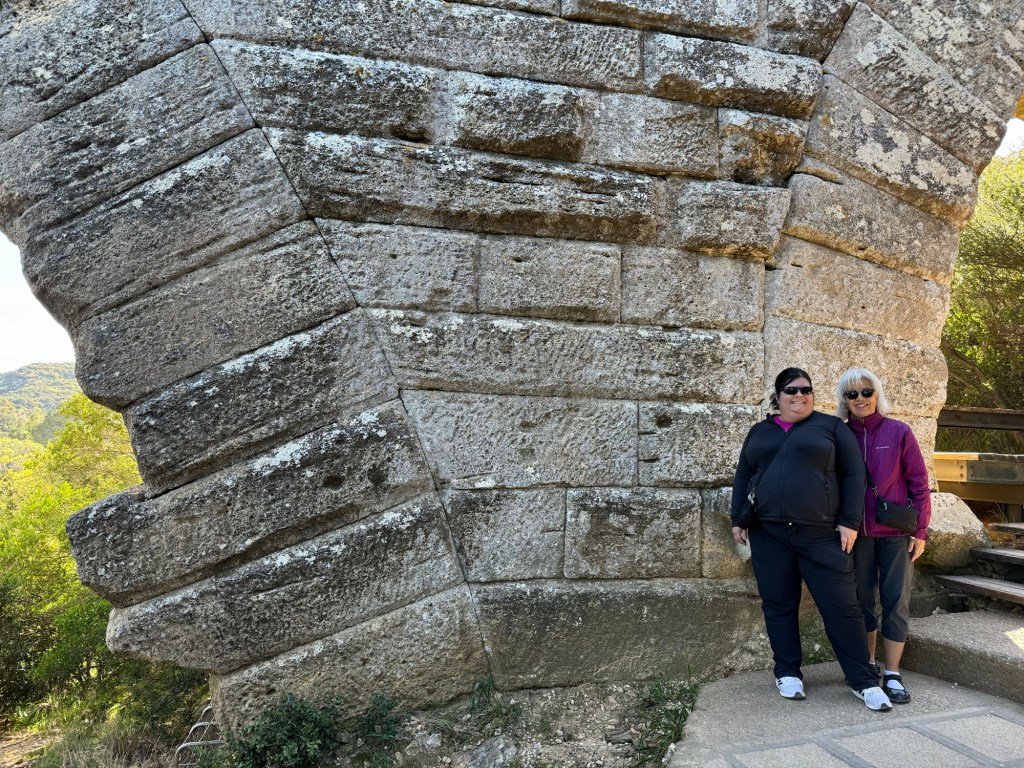
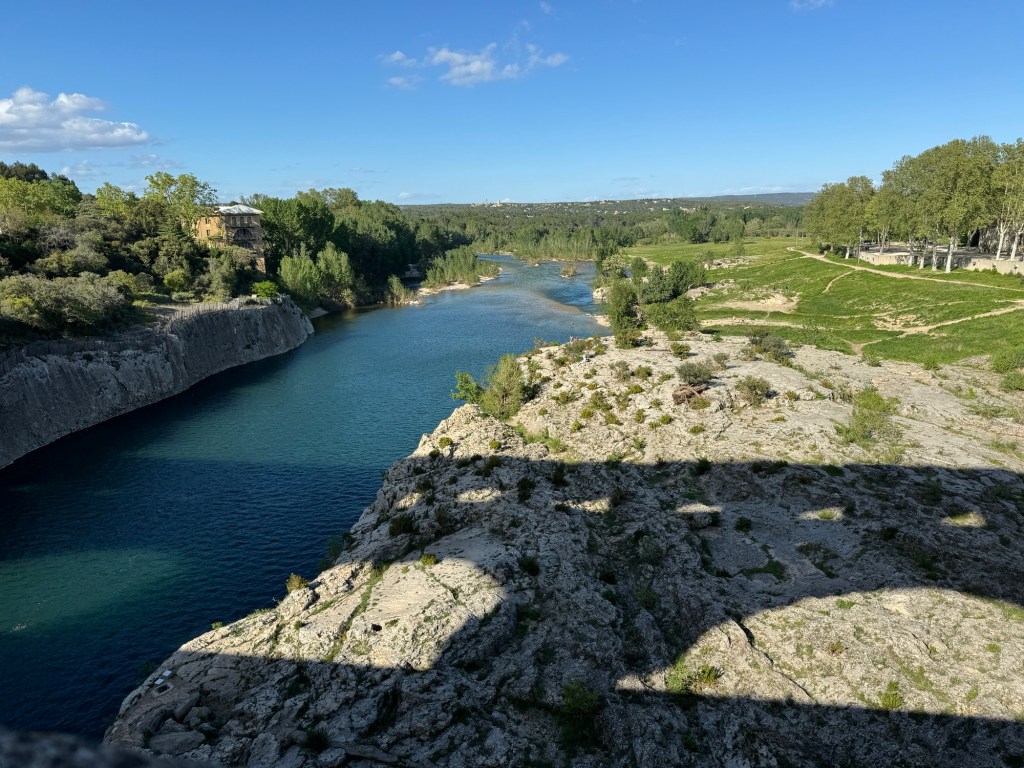
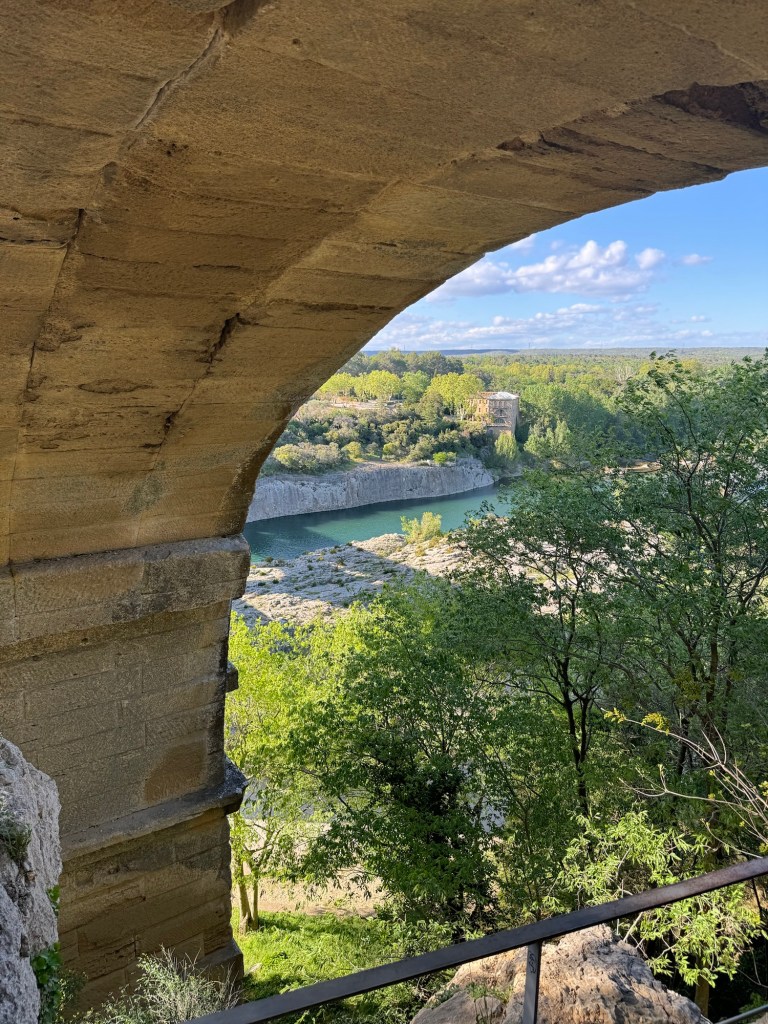
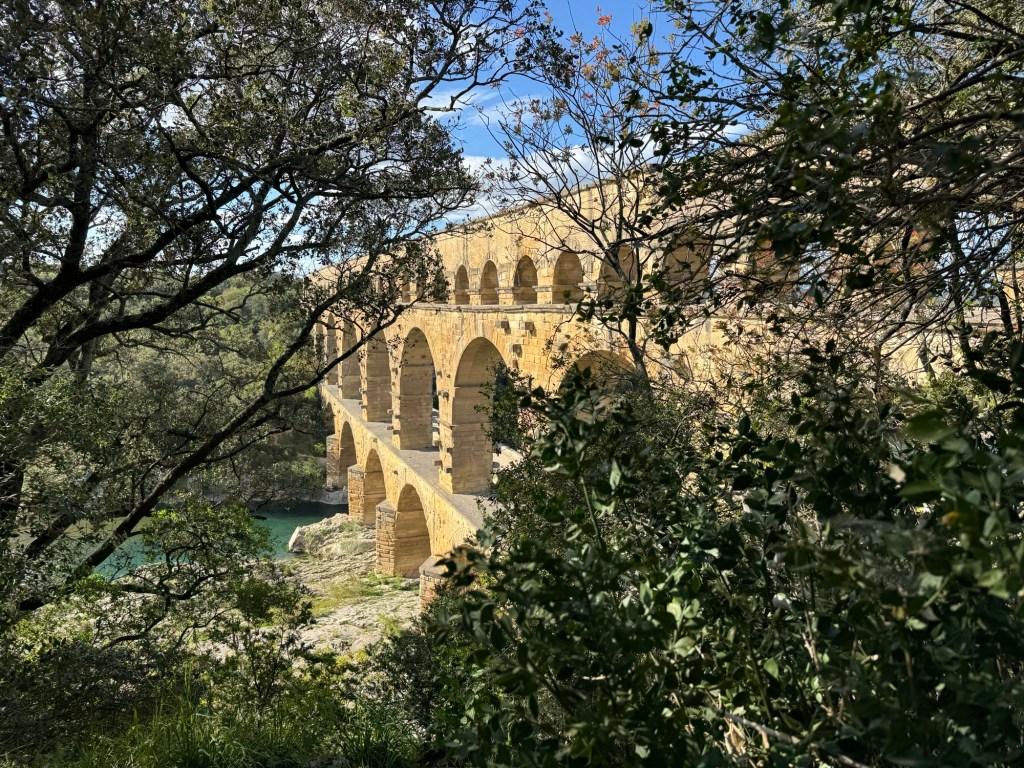
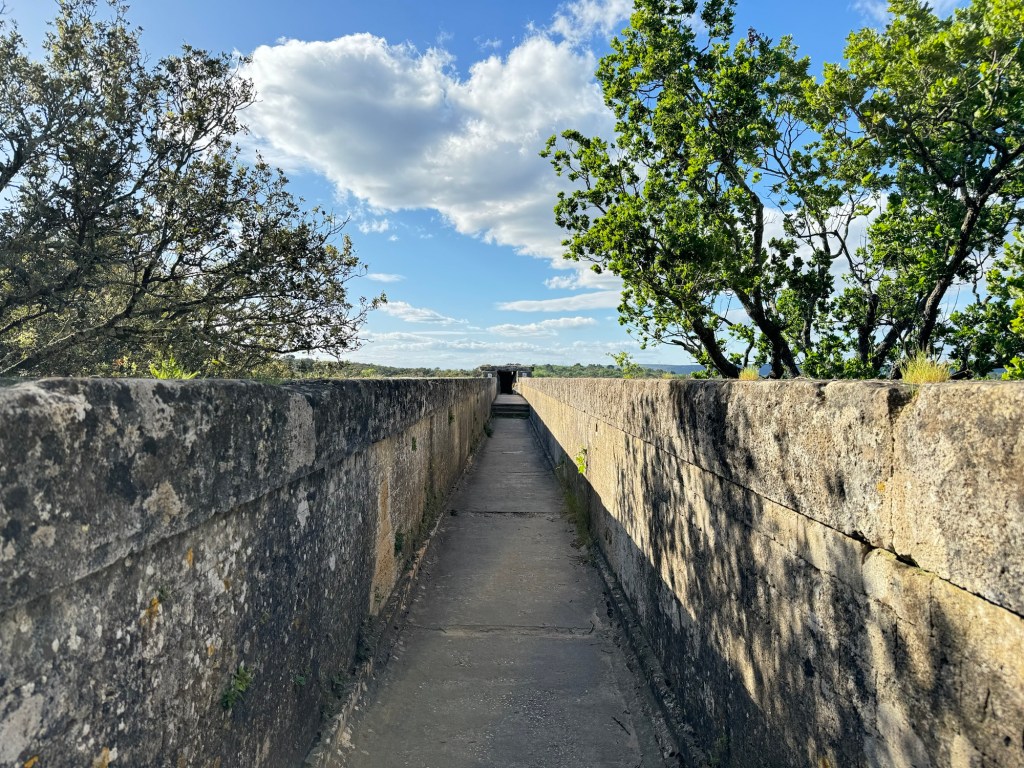
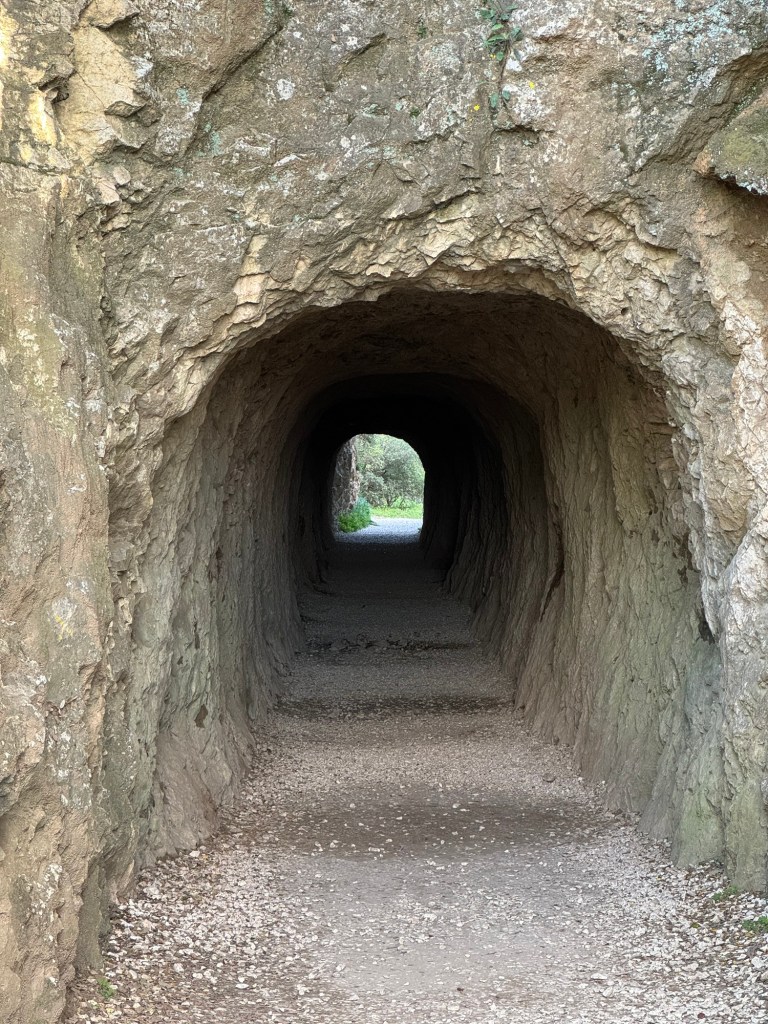
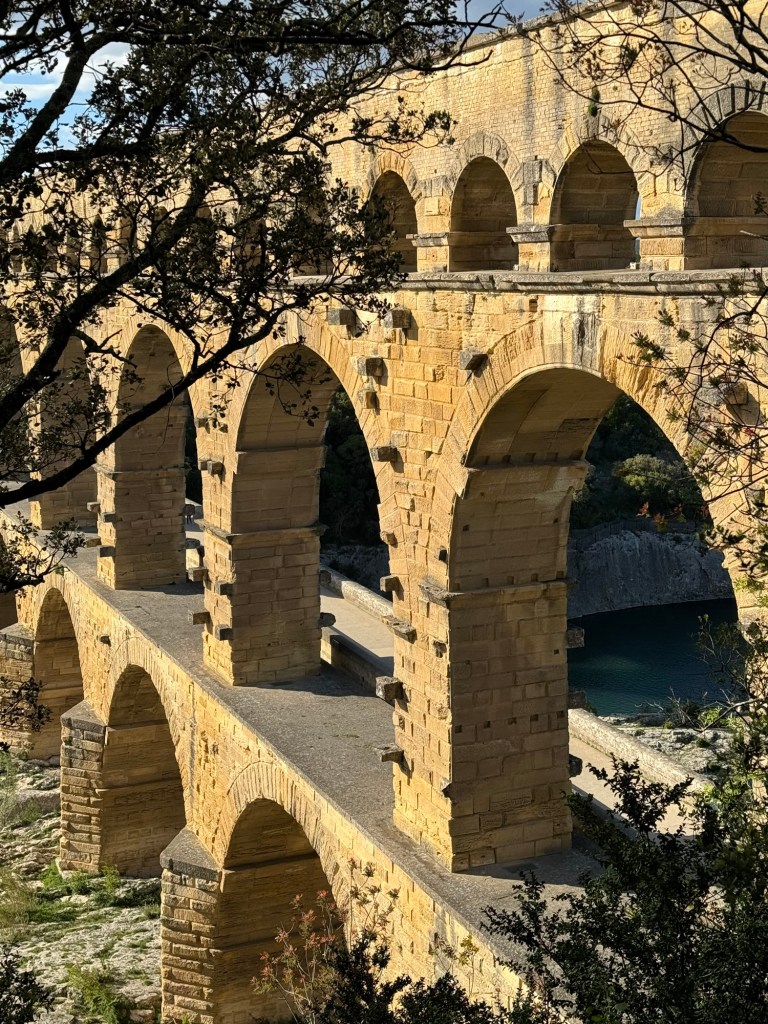
Historic landmark quota overflowing, we then headed back to Carcassonne for a good night’s rest.
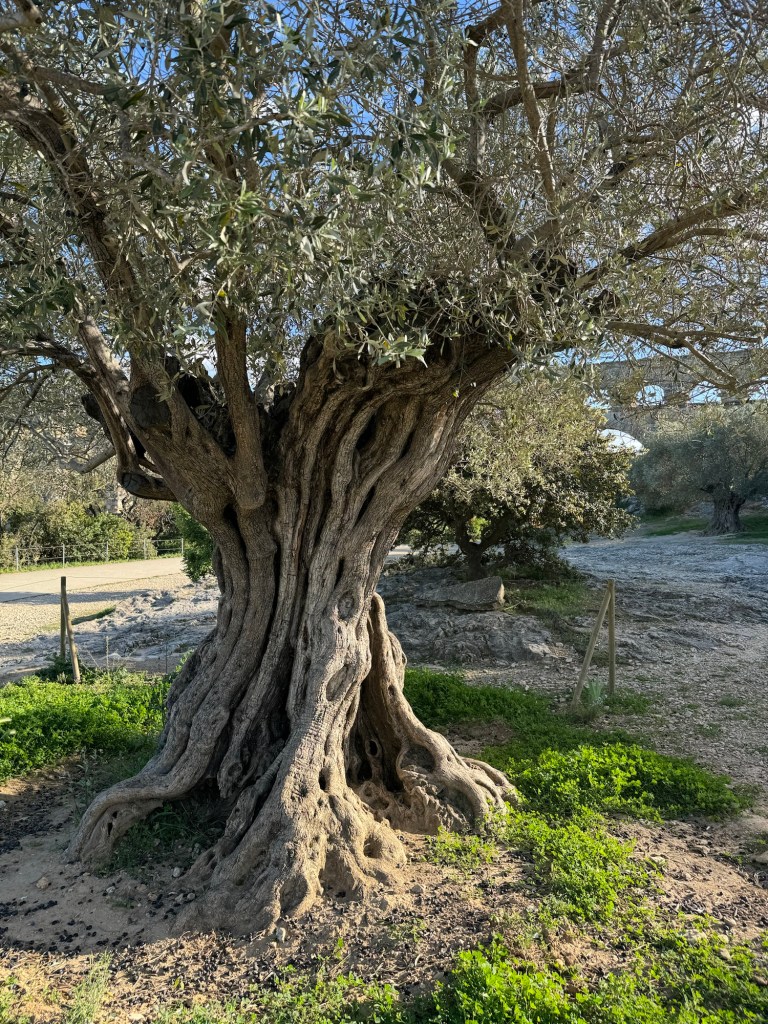
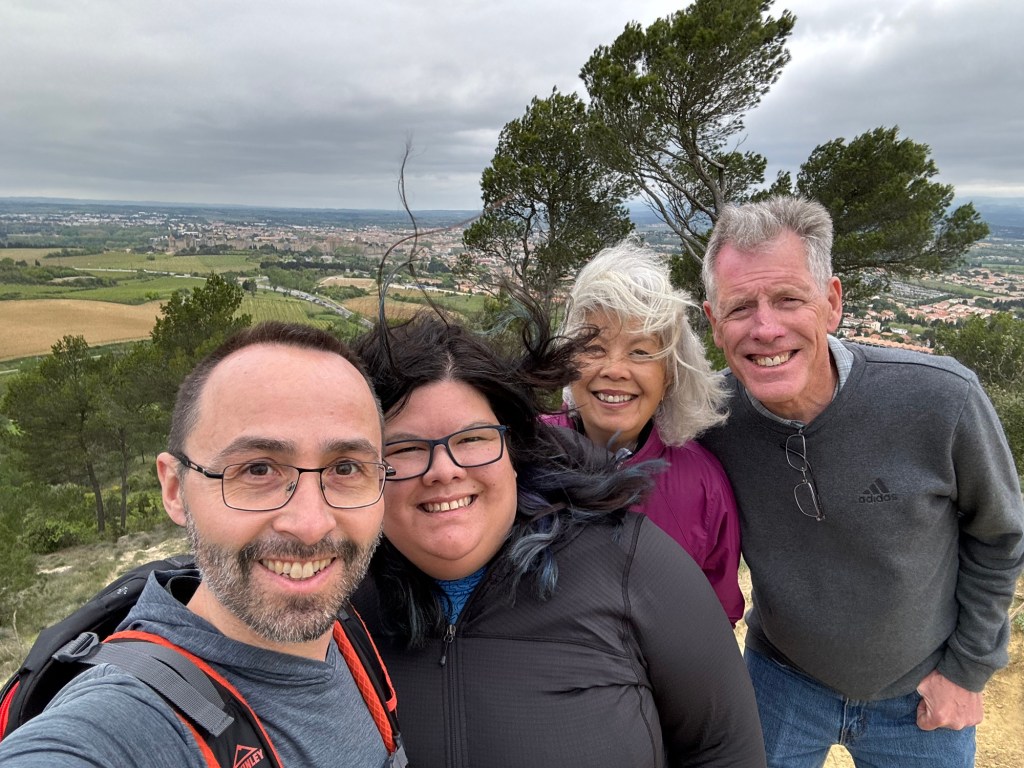
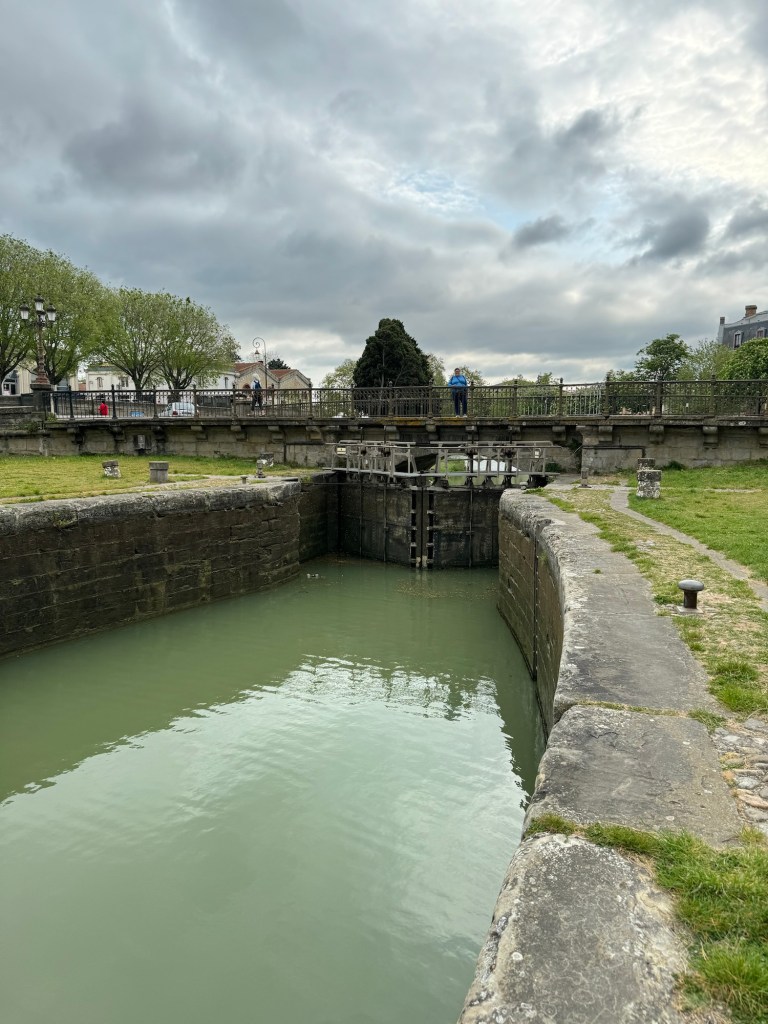
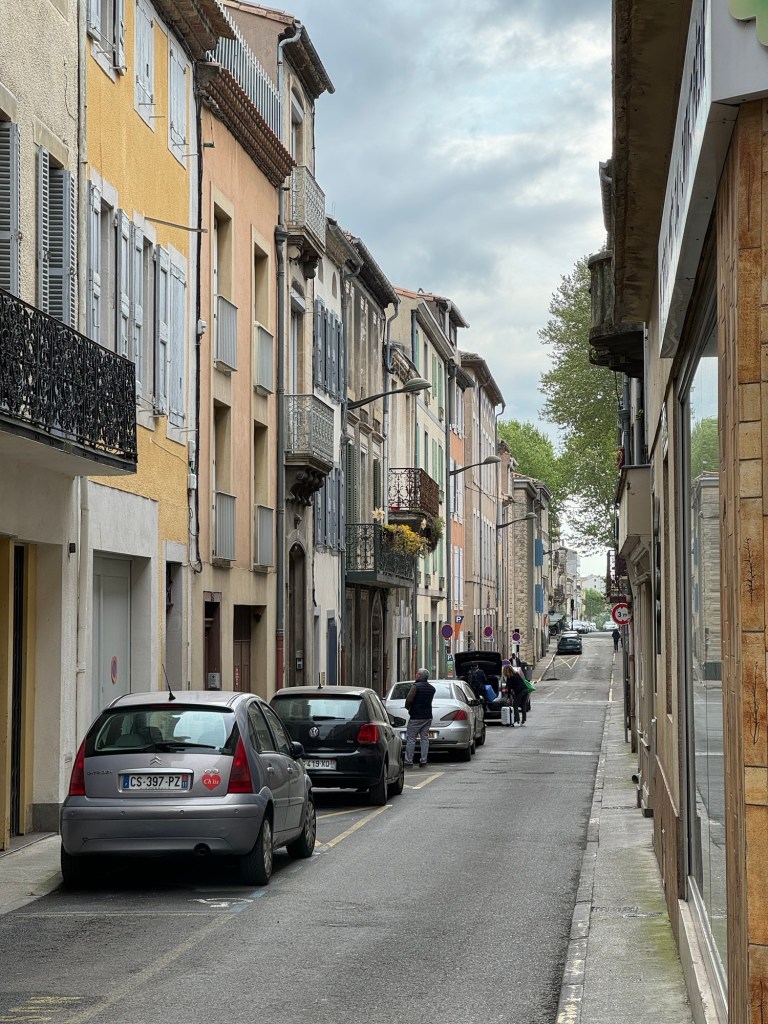
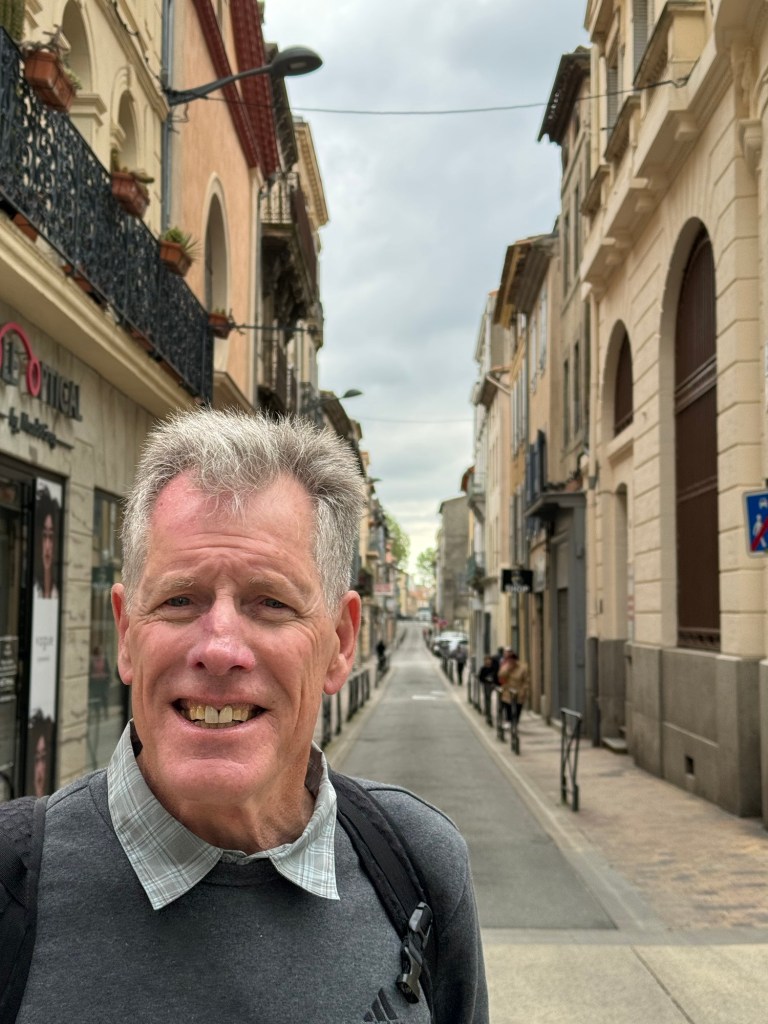
Today was a simple day, as we kept close to the apartment awaiting the delivery of our luggage. The morning was walking around the Bastille portion of the city, checking out the Canal du Midi, and getting a glimpse of the Cité from the bridges. A stop at the grocery store, and we returned to the apartment. After some Thai takeout from down the street and a complaint call about the lack of updates, we had a bit of down time.
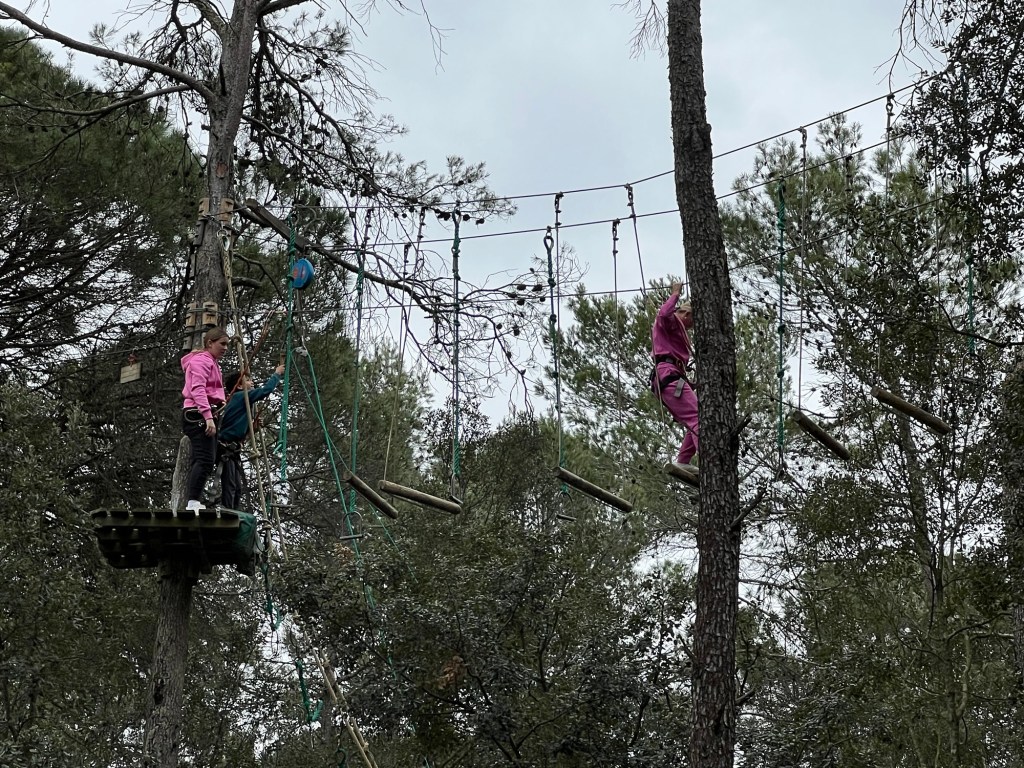
The afternoon was a trip to the local lake, which is clearly a well-used favourite hang-out. A paved trail guided us around the lake, which was at a concerningly low water level, particularly given the time of year. The highlights were a chorus of frogs, some ducks, and the most outlandish, enormous and challenging rope course we have ever observed.
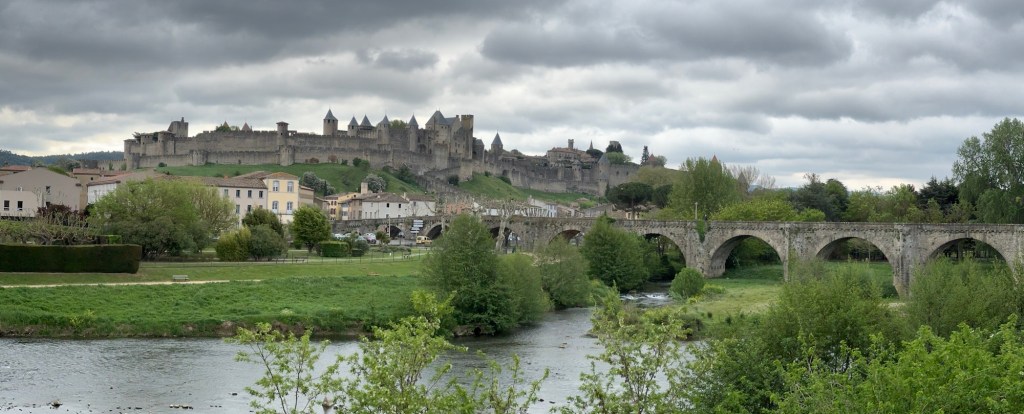
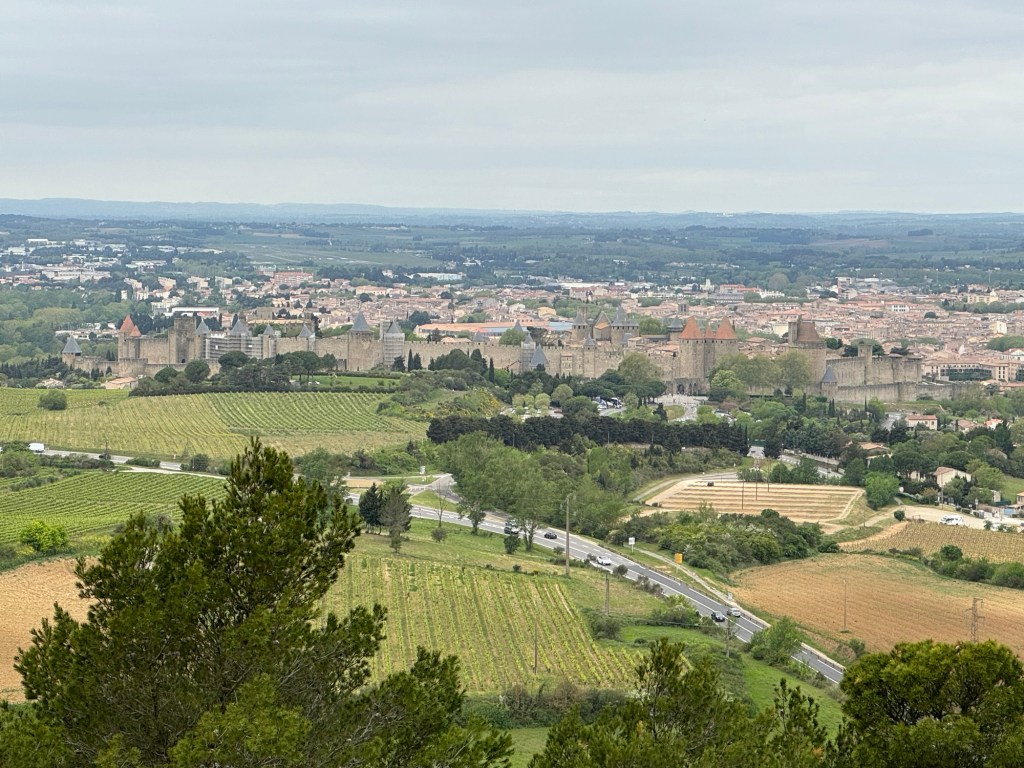
After the lake we went to a pocket park in a neighbourhood that had a trail to a bluff. Dave’s research was correct, and it lead to a beautiful view of la Cité. Parfait.
Dinner at the apartment followed, and more waiting. Naps. A short walk for some. Just waiting…
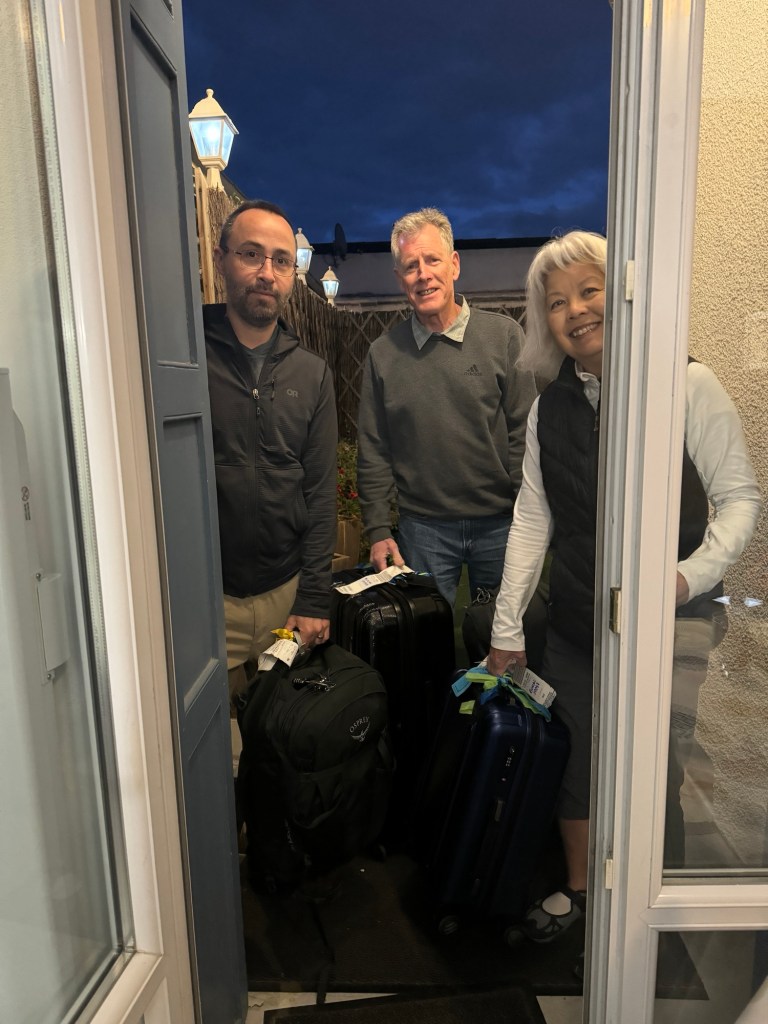
Edit: 9 pm: luggage reunification achievement unlocked!
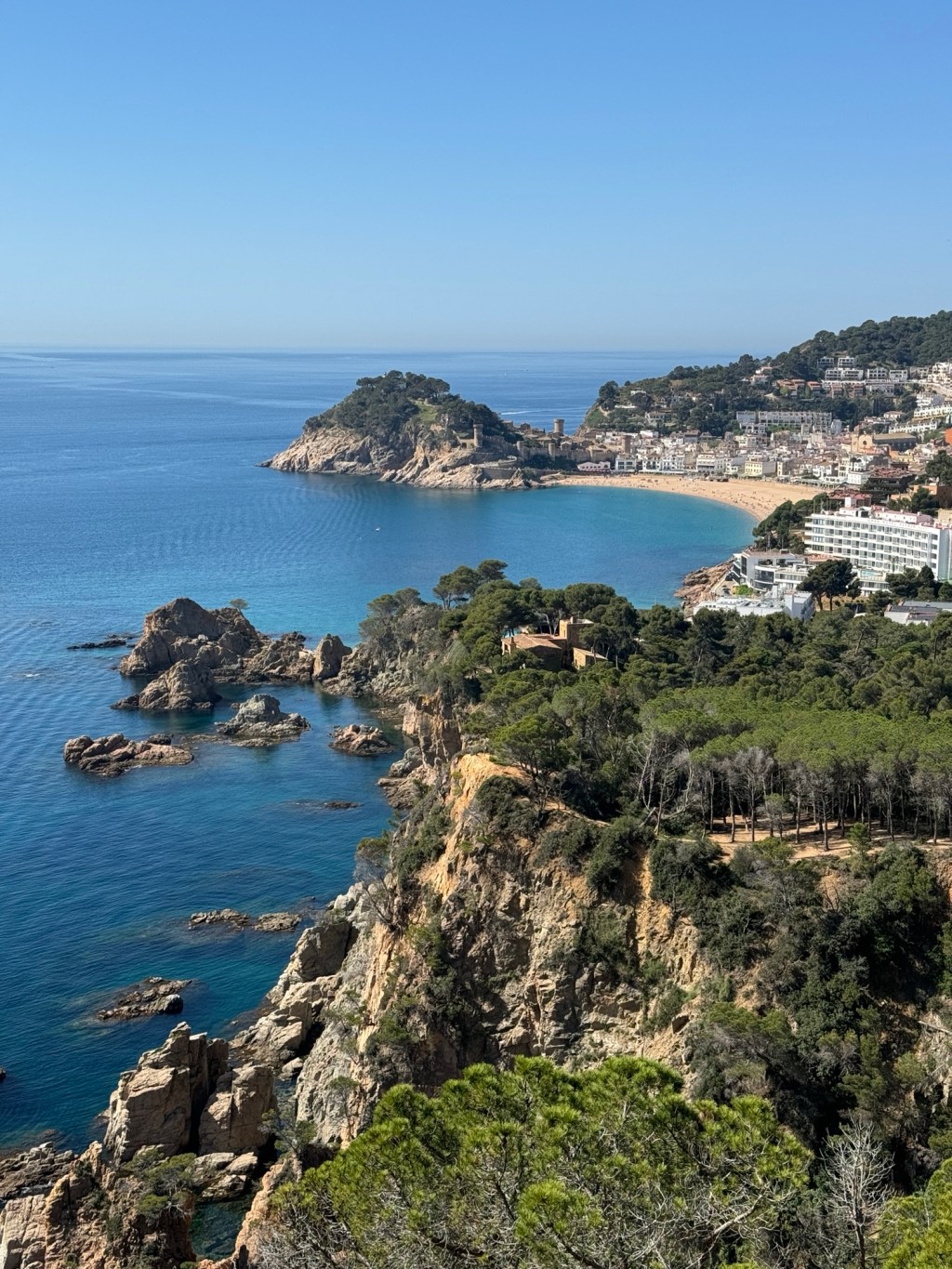
After some glorious sleep we awoke to a light warm breeze, birds singing, and sun streaming in the window. After a brief wander around the immaculate La Mer, we sat down to breakfast and the best coffee Mom’s ever had (café lèche).
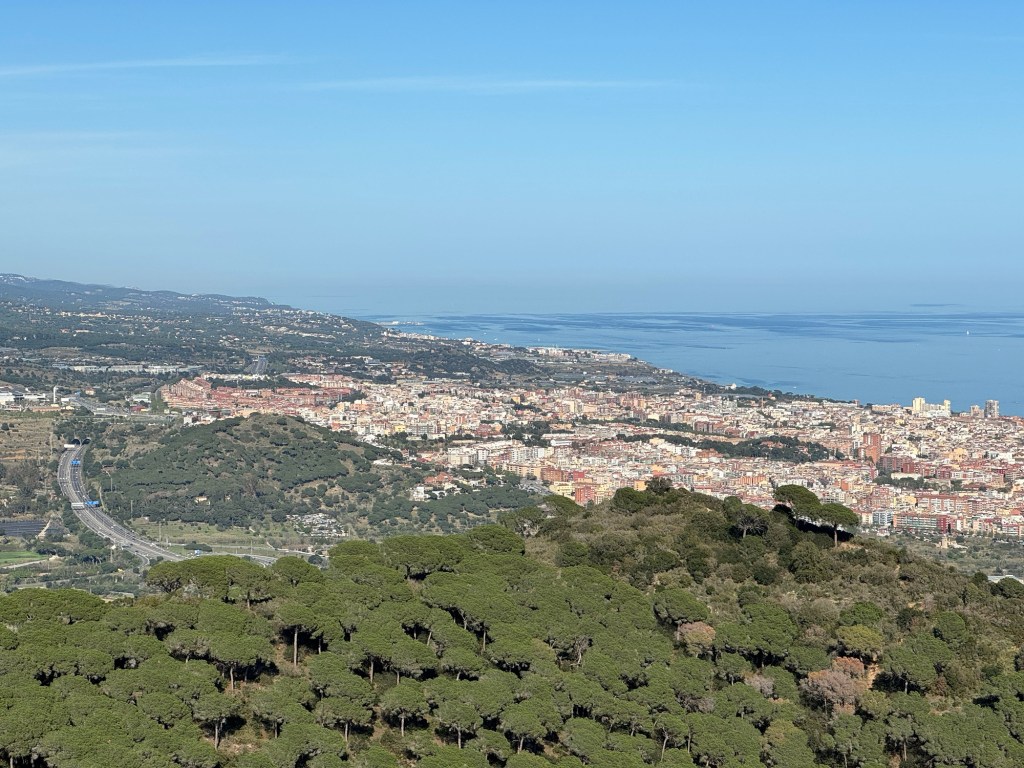
Alas, it was time to leave the hillside for the seaside, and we drove the coast of Spain on a rather twisted route. We all appreciated the beauty of the water juxtaposed with the cliffs, sands, and trees, but Mom and Jen did not appreciate the bendy, turn-filled road and matched the trees slightly.
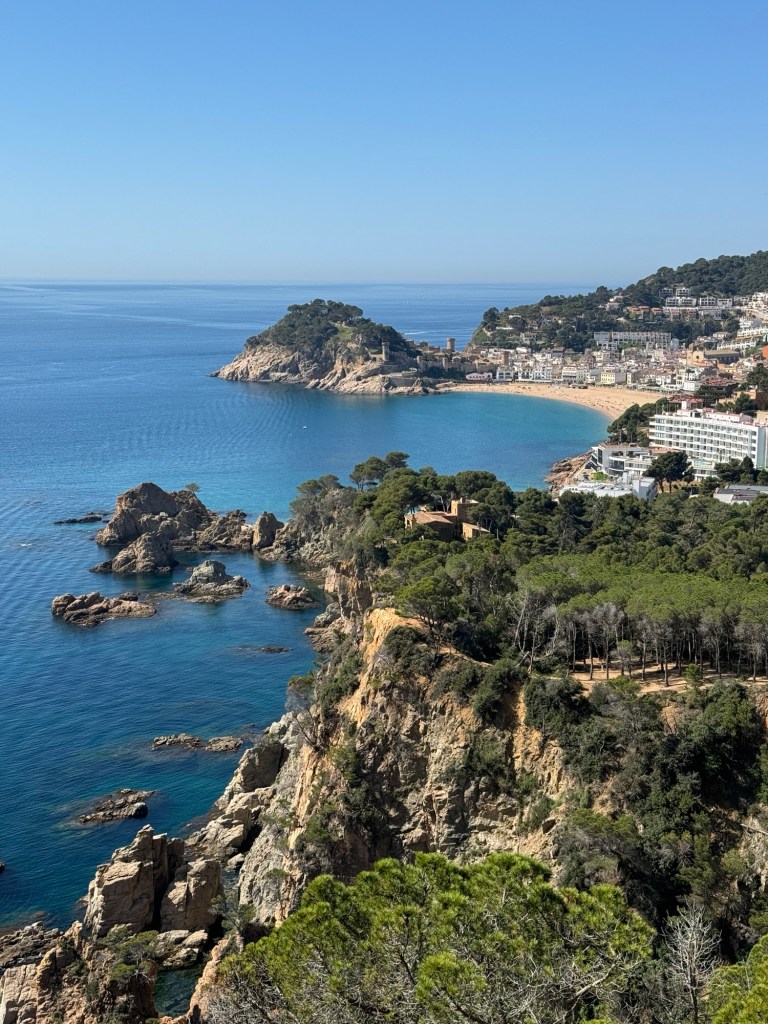
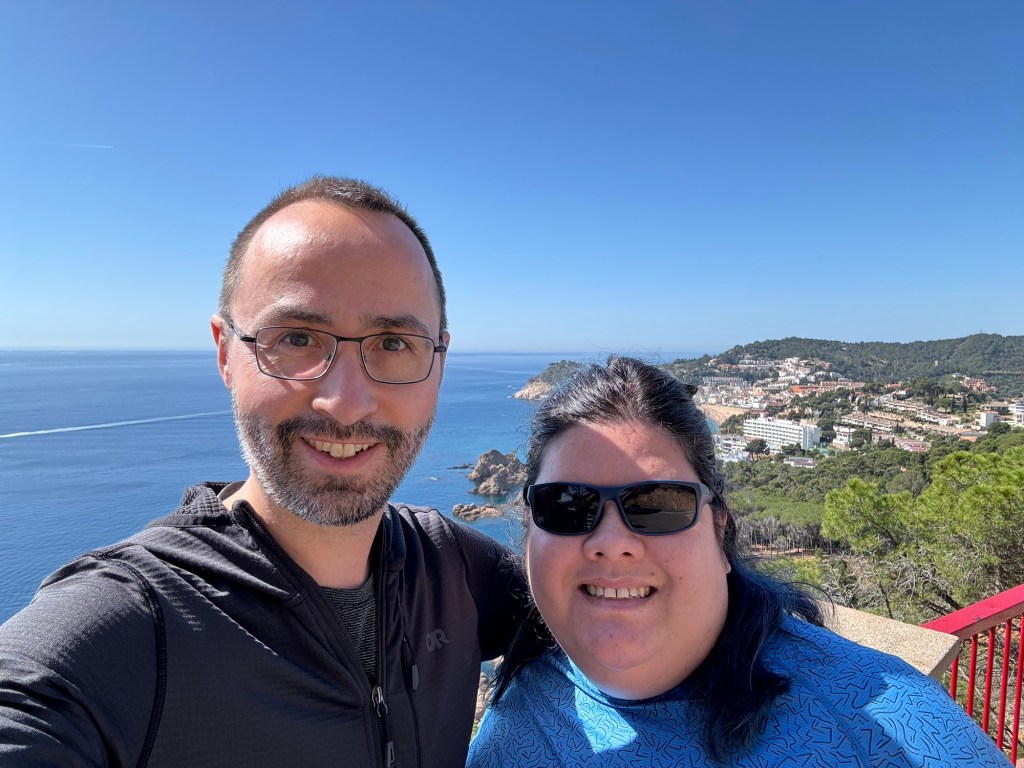
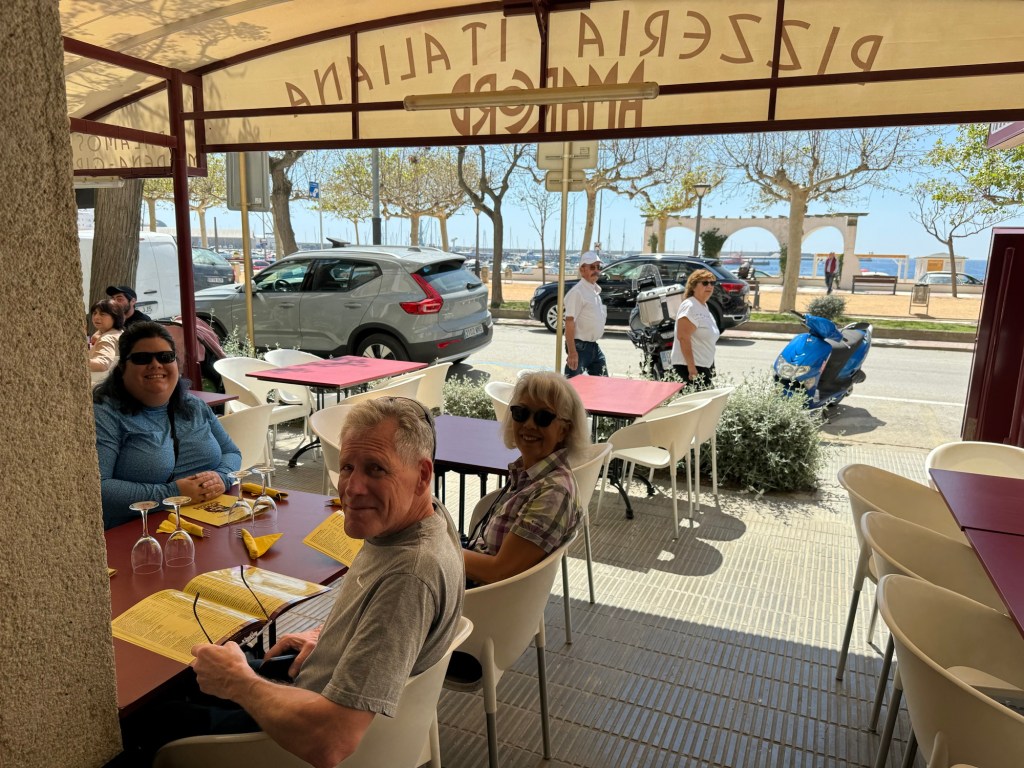
We stopped for lunch at the platja in Palamós; many places were full or finished service. We found a delightful pizzeria instead, where only Dave ordered pizza (a margarita he shared a slice of with Jen), while the rest enjoyed fresh, delicious salads.
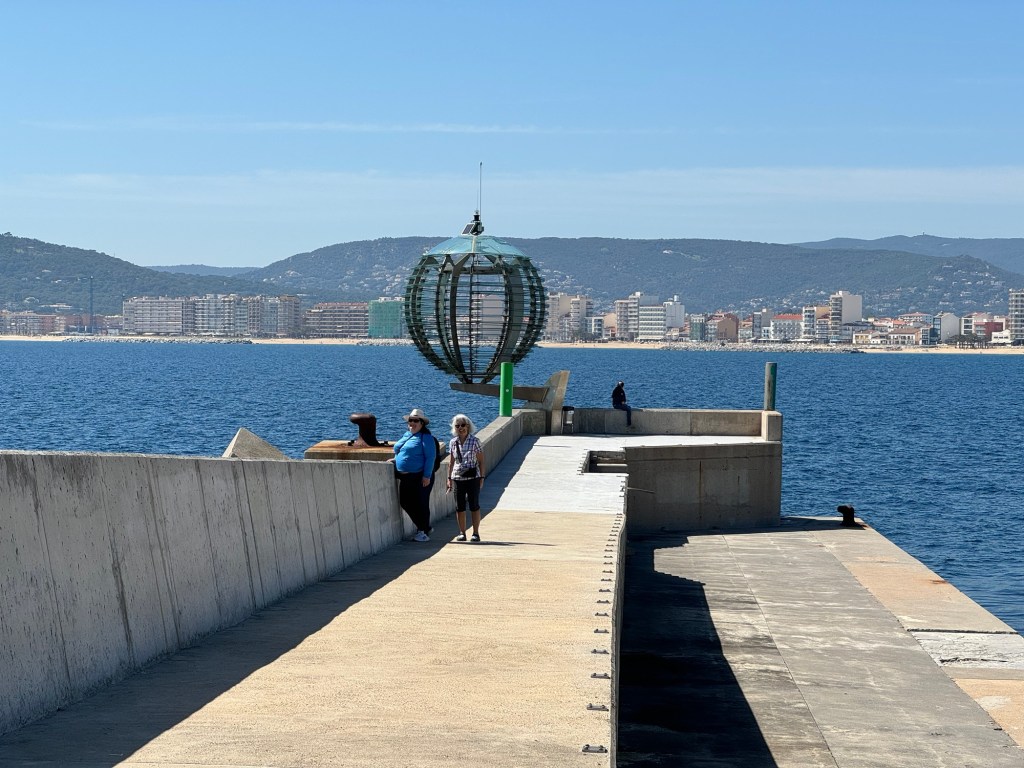
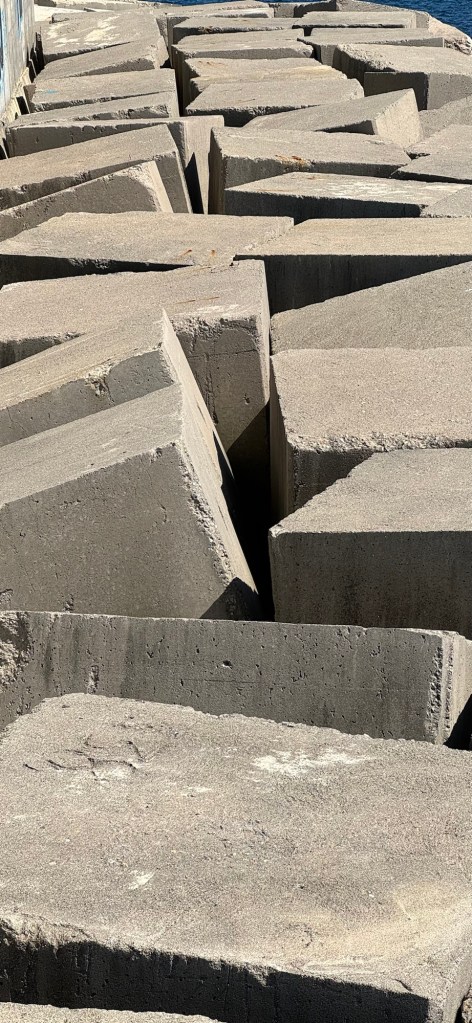
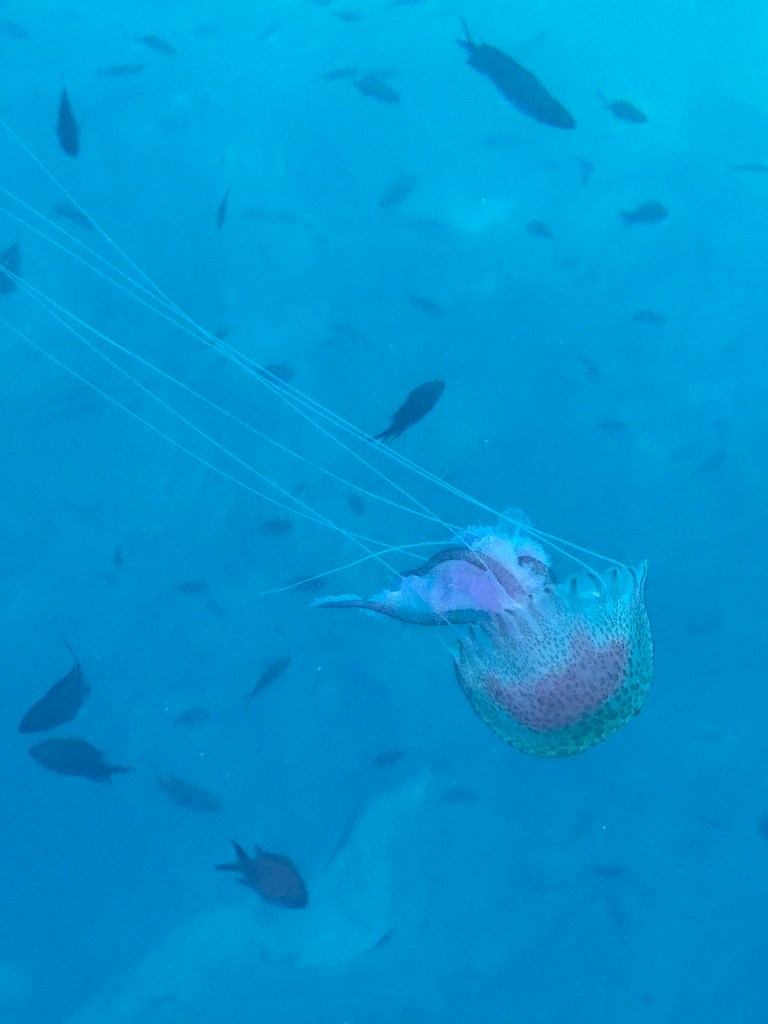
Following lunch we walked the beach, then way out on the breakwater. Dave was enamoured with the “wave-dissipating concrete blocks,” but Dad spotted the fish and jelly fish.
After our walk it was time to join the Autoroutes and make time for the destination of the next few days – Carcassonne! We are renting an apartment, so after figuring out how to park and get in we wandered down the street to a small grocery that was thankfully still open. Fresh bread and farmhouse peach jam rounded out a great day.
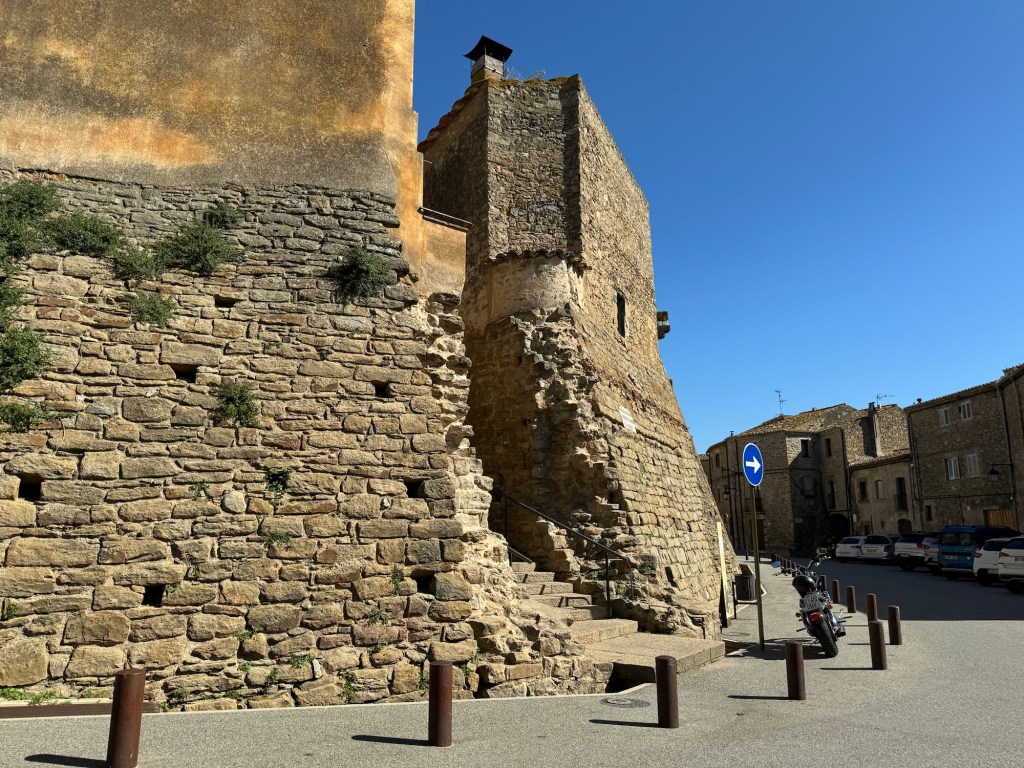
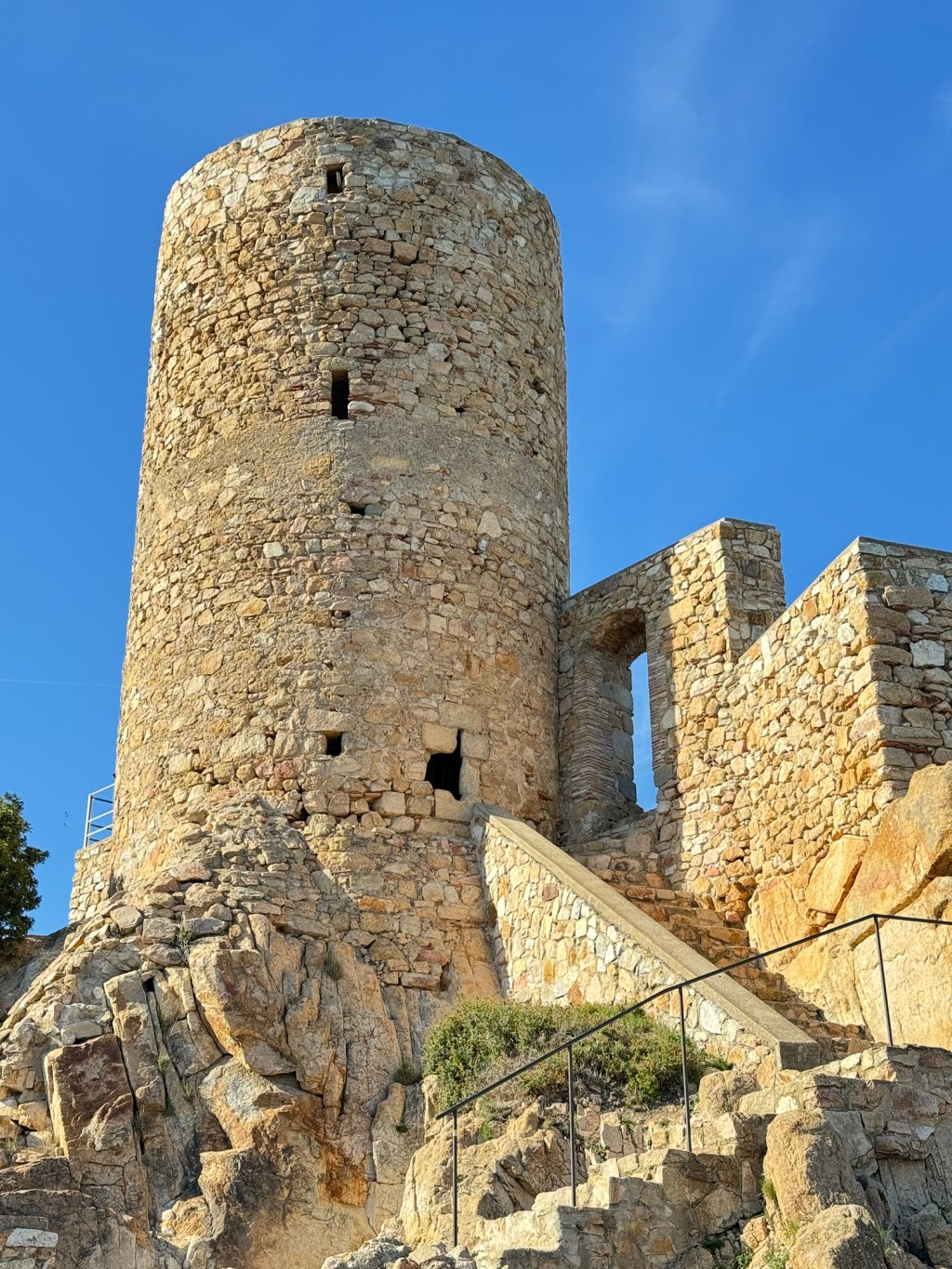
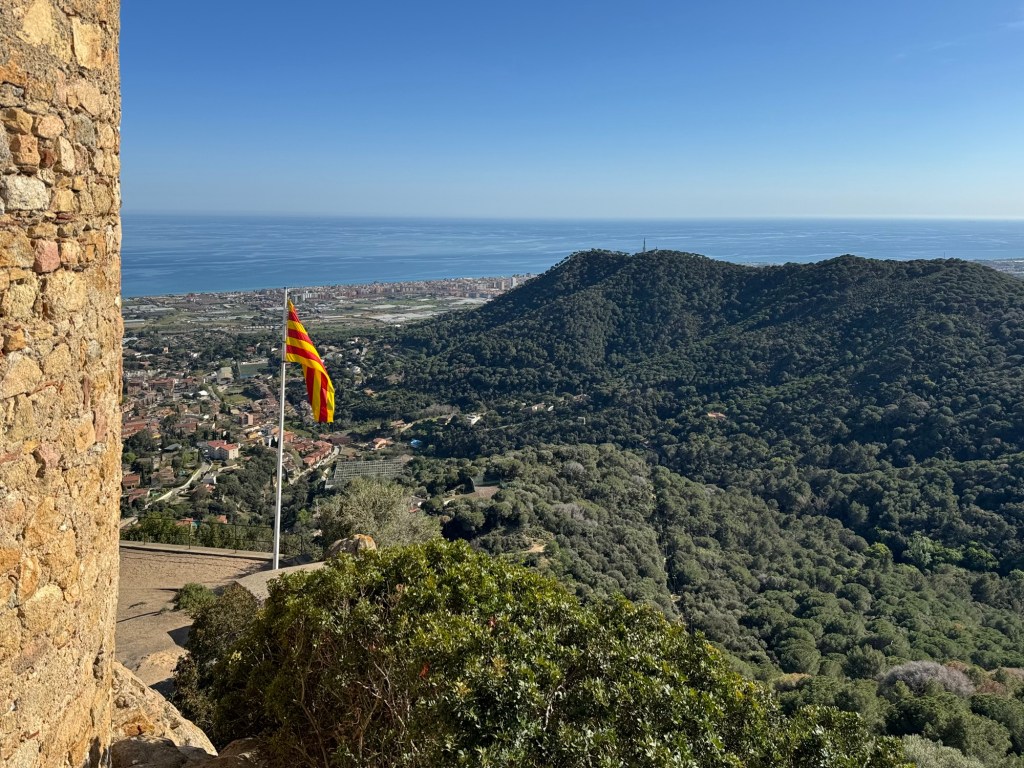
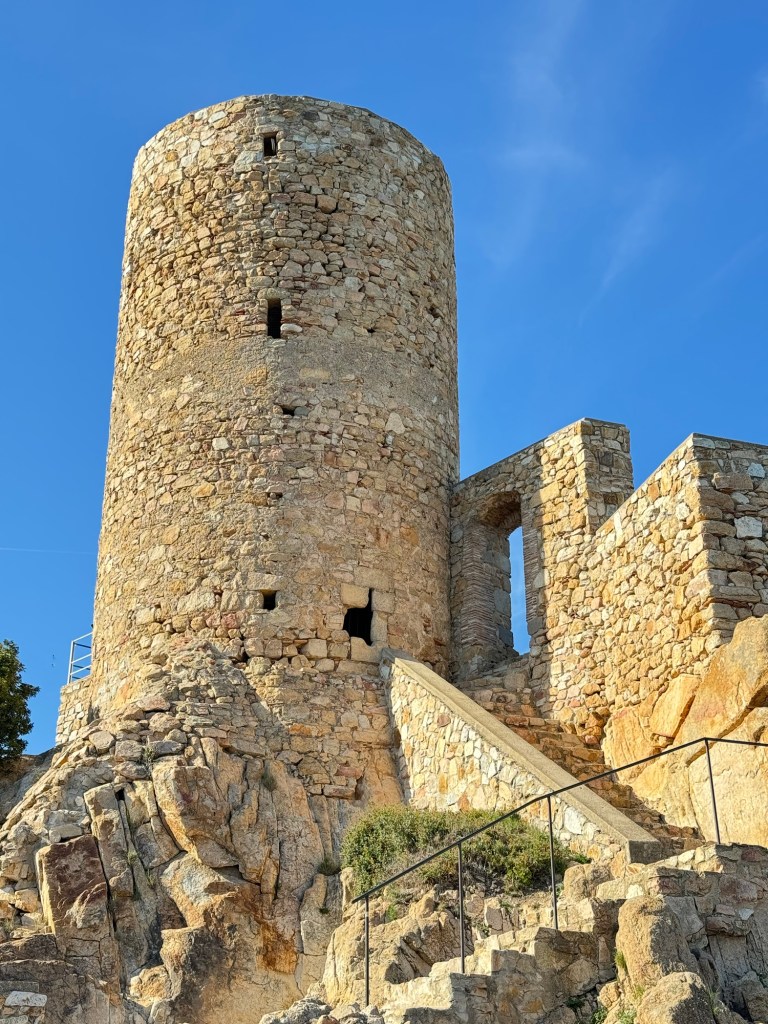
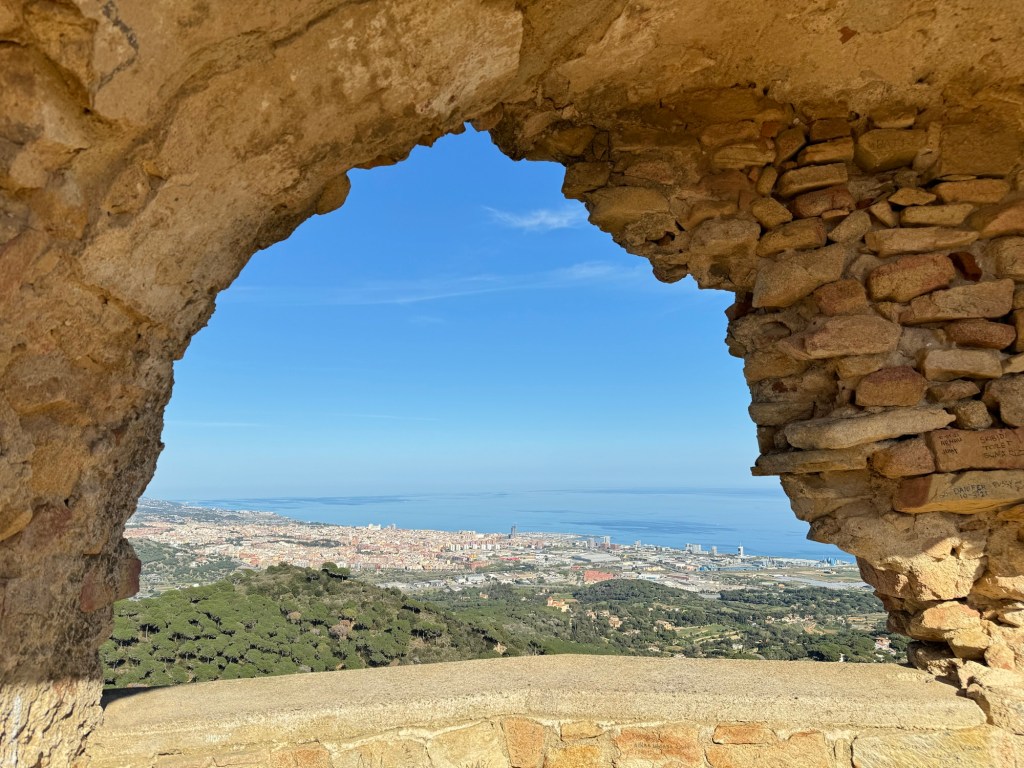
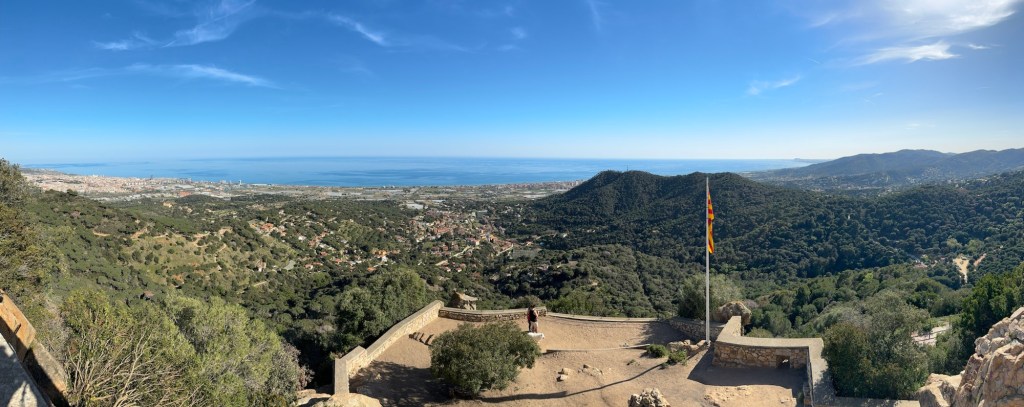
After Jen went to bed, the others went for a short walk – mom and Dad to a viewpoint, and Dave all the way up to a mountaintop castle ruin, Castell de Burriac. Just gorgeous. Documentation says 1000 or 1300 AD.
It was a long travel day. First to Toronto, then on to Barcelona. There were good things and bad things about the trip. The second leg had an equipment change, so it wasn’t flying full. We got a row to ourselves; so did Jen’s parents, who are joining us on this adventure. The bad was that our baggage was lost in the transfer – we had to check our carry-on, so we have just our day packs.
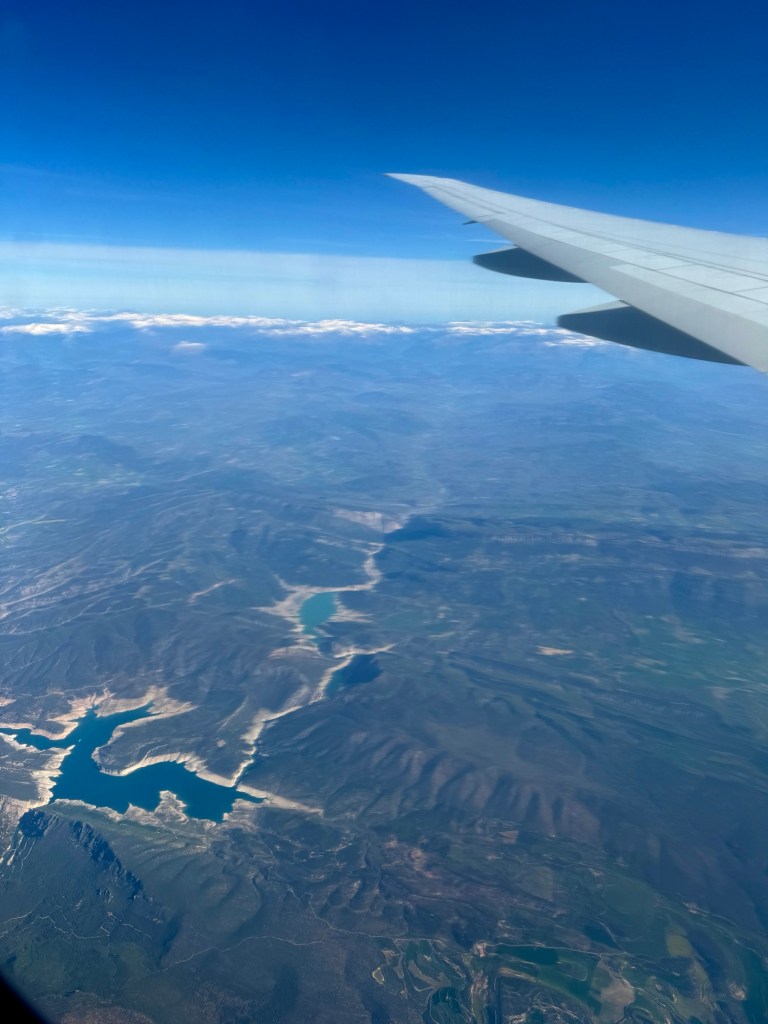
After sorting out the luggage we picked up our rental car (though not without issues), then finally got on the road.
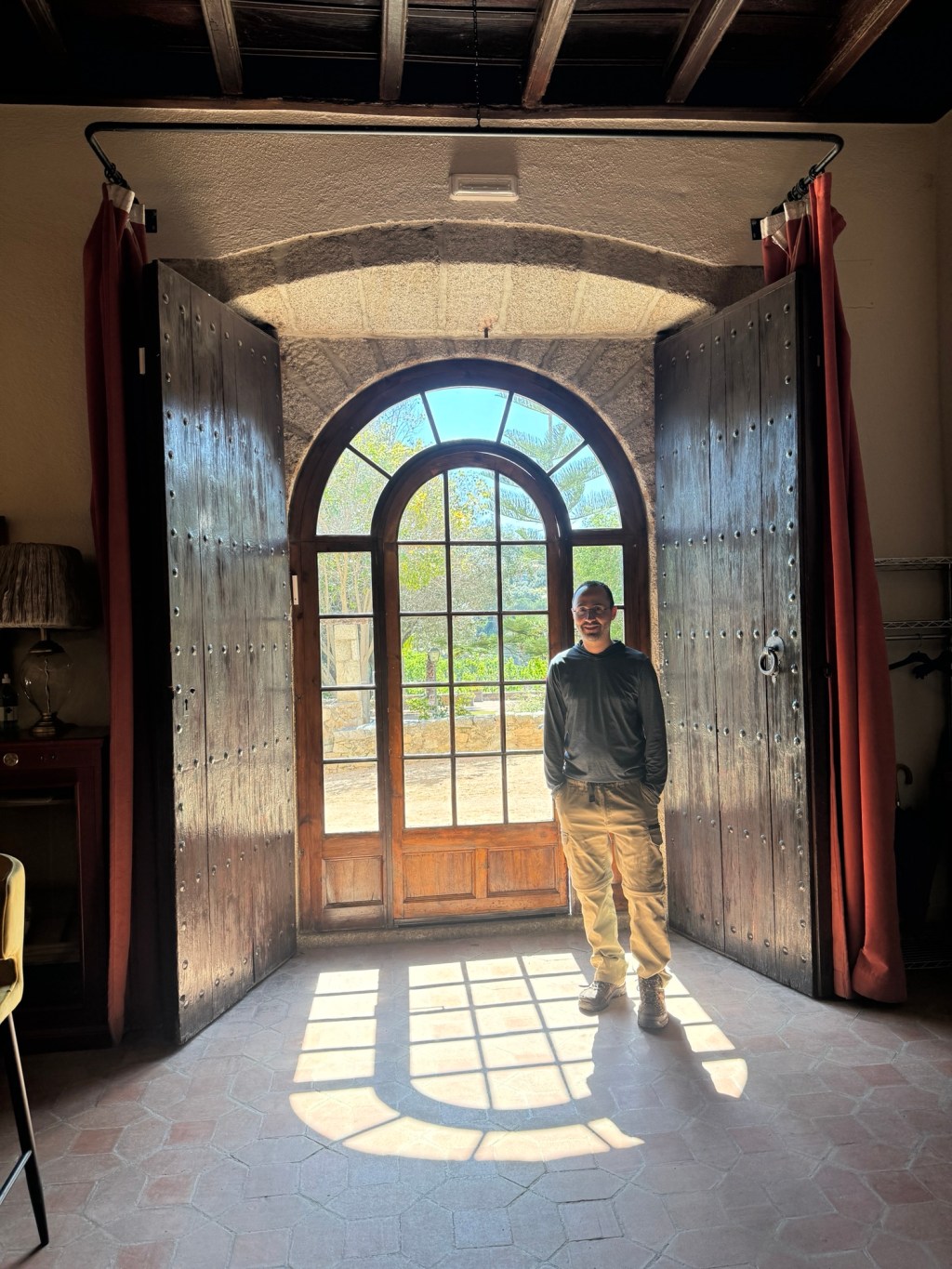
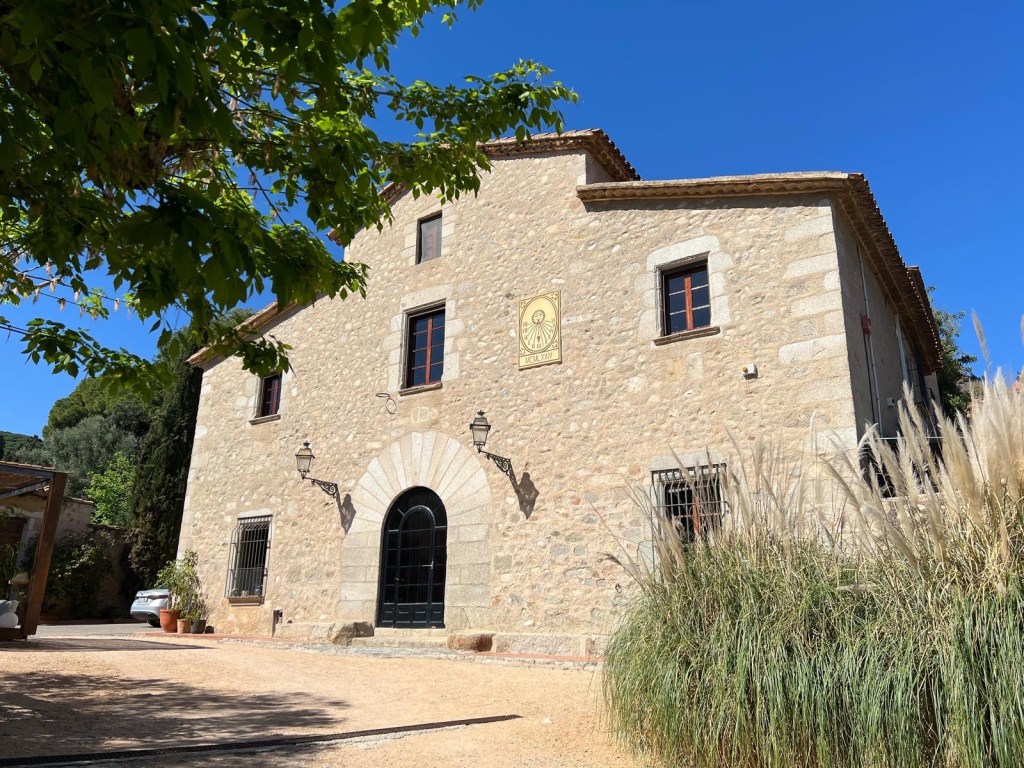
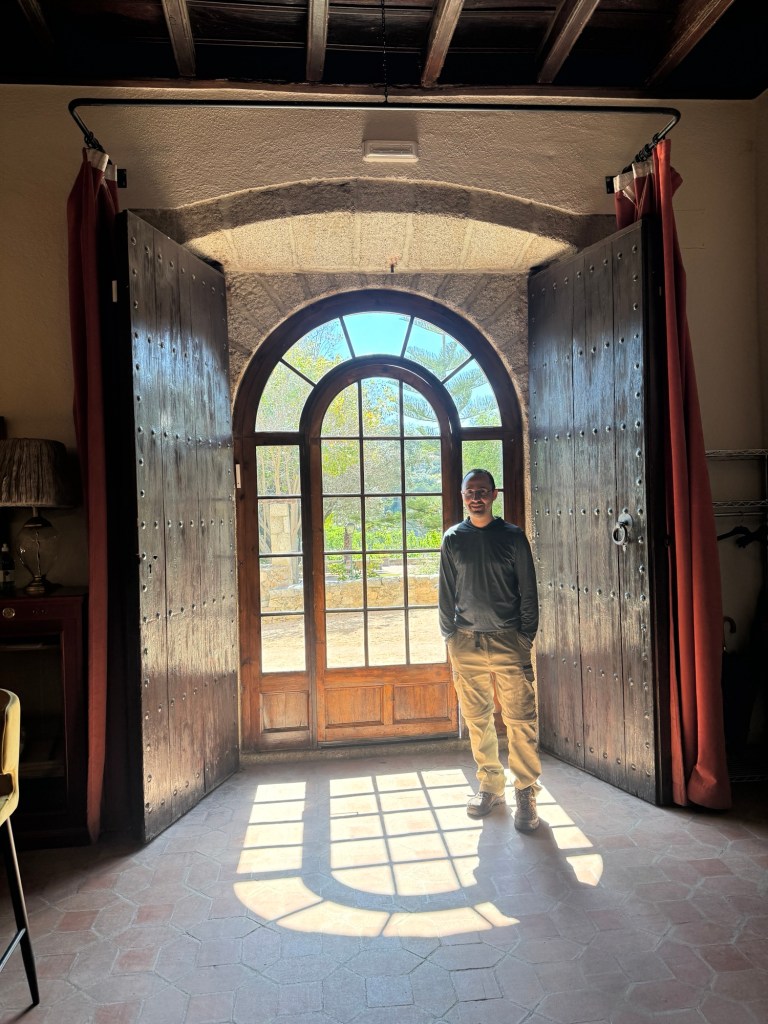
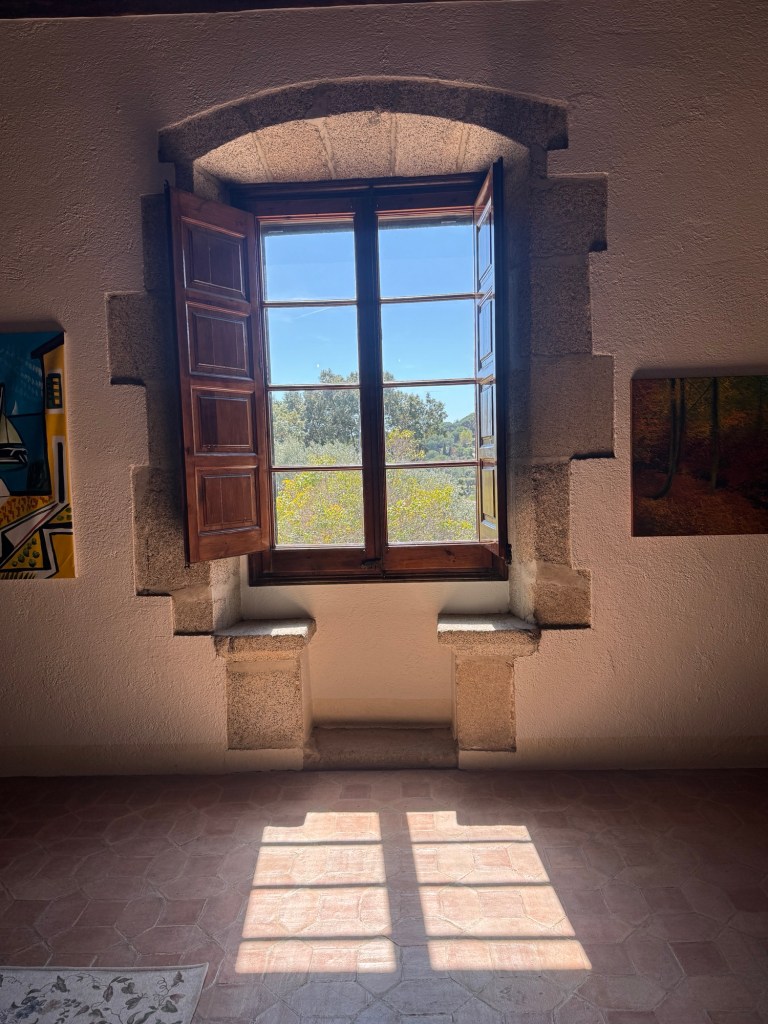
We stayed the night at La Mer, just outside of town. A 1700’s era farmhouse converted to hotel, it is strikingly picturesque, and the perfect mix of heritage and modern.
After settling in, we went next door to a boisterous family restaurant. The menus were in Catalan, the waiters spoke Catalan, and the food was local. They found a very friendly English-speaking staff member to help us order, and we tucked into rabbit, canneloni, chicken, roasted potatoes with aioli, and toasted bread.
After lunch Jen decided to call it a day, while the other three went on a short hike to a local castle.
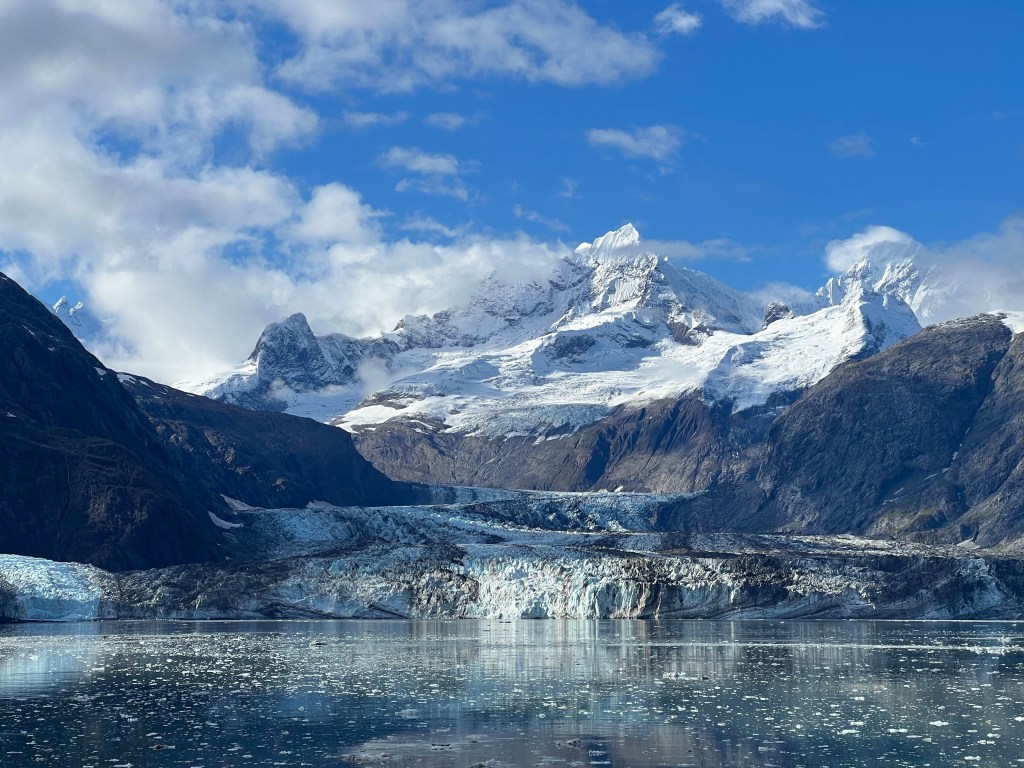
Two sea days in a row!
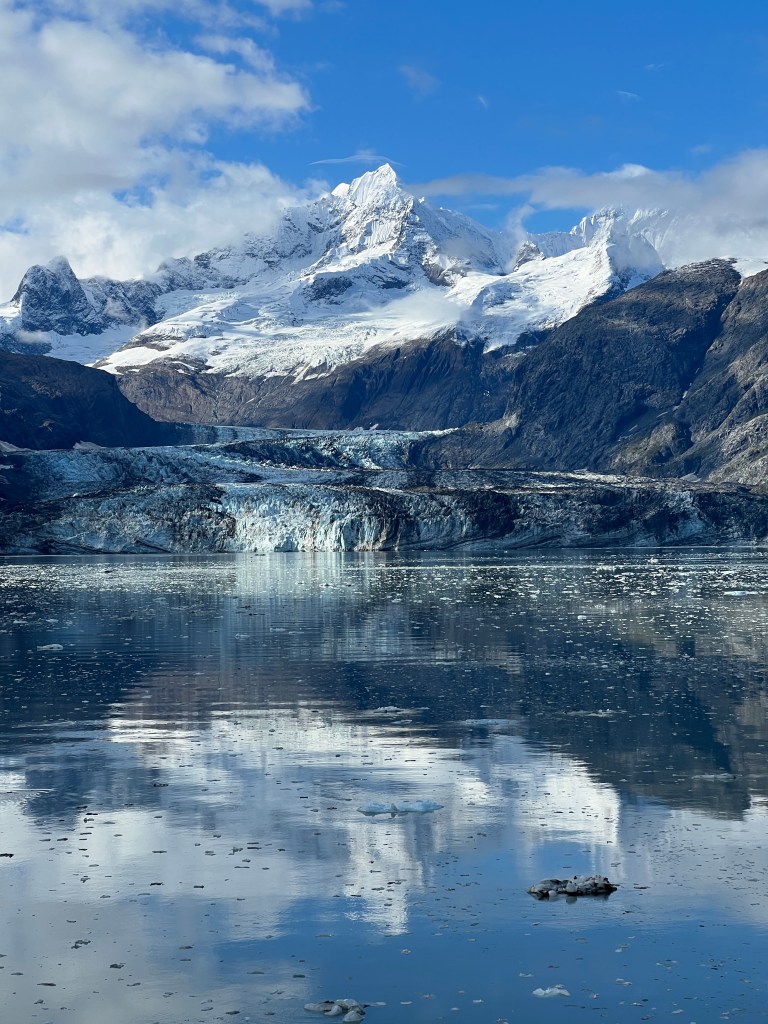
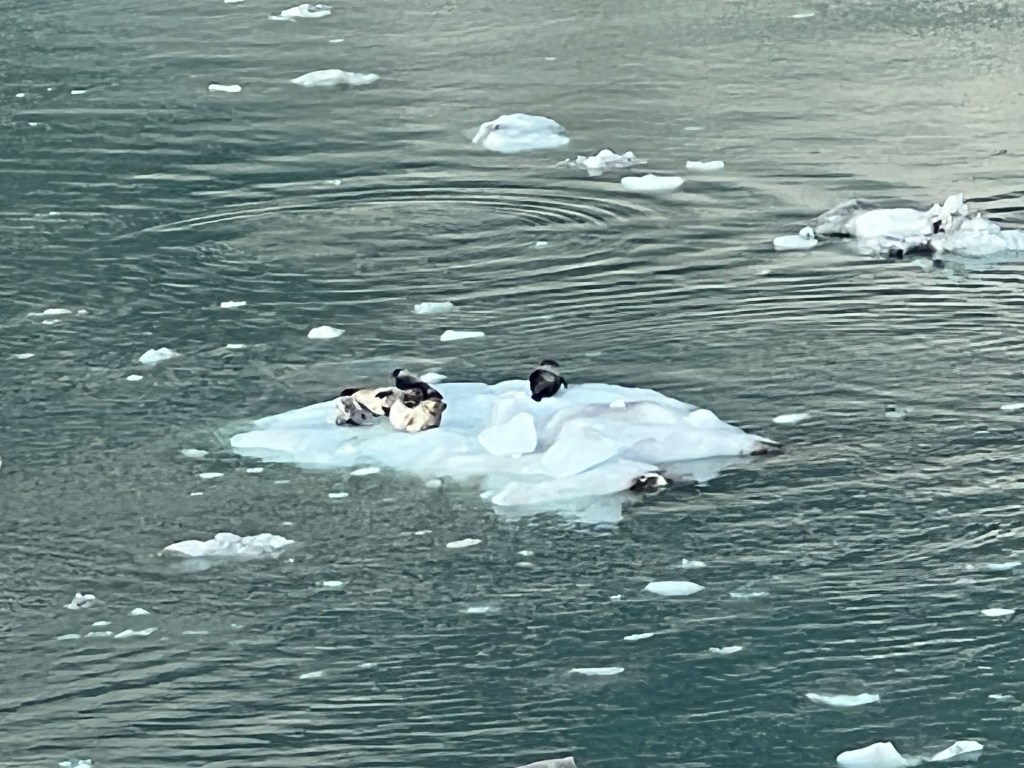
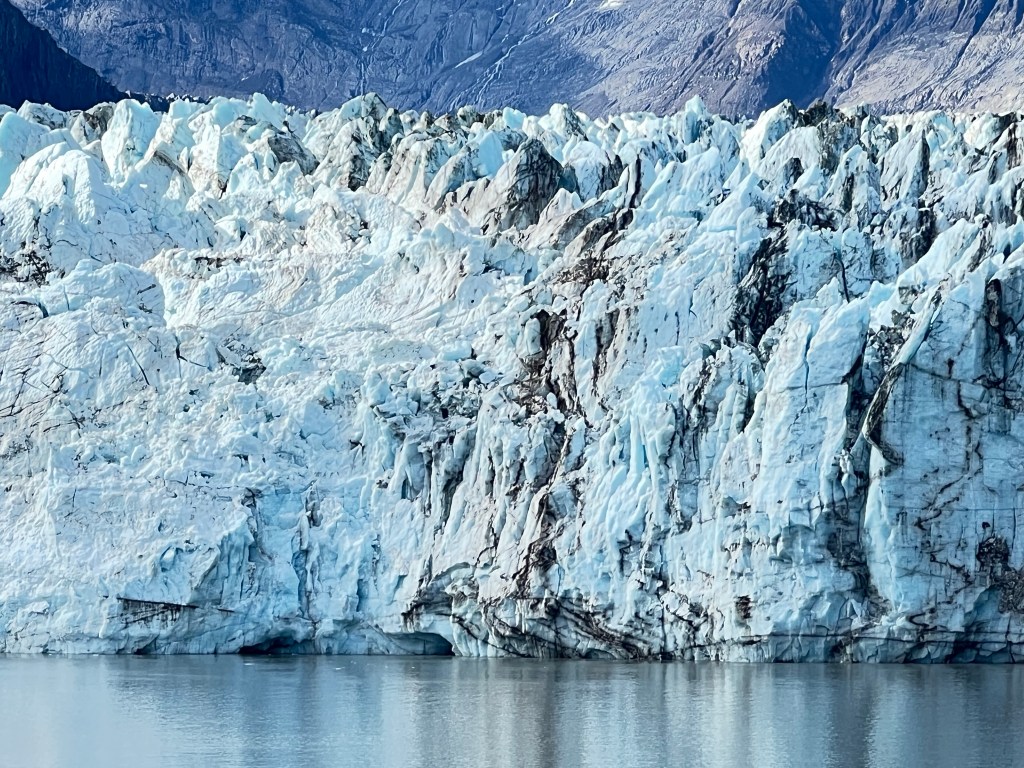
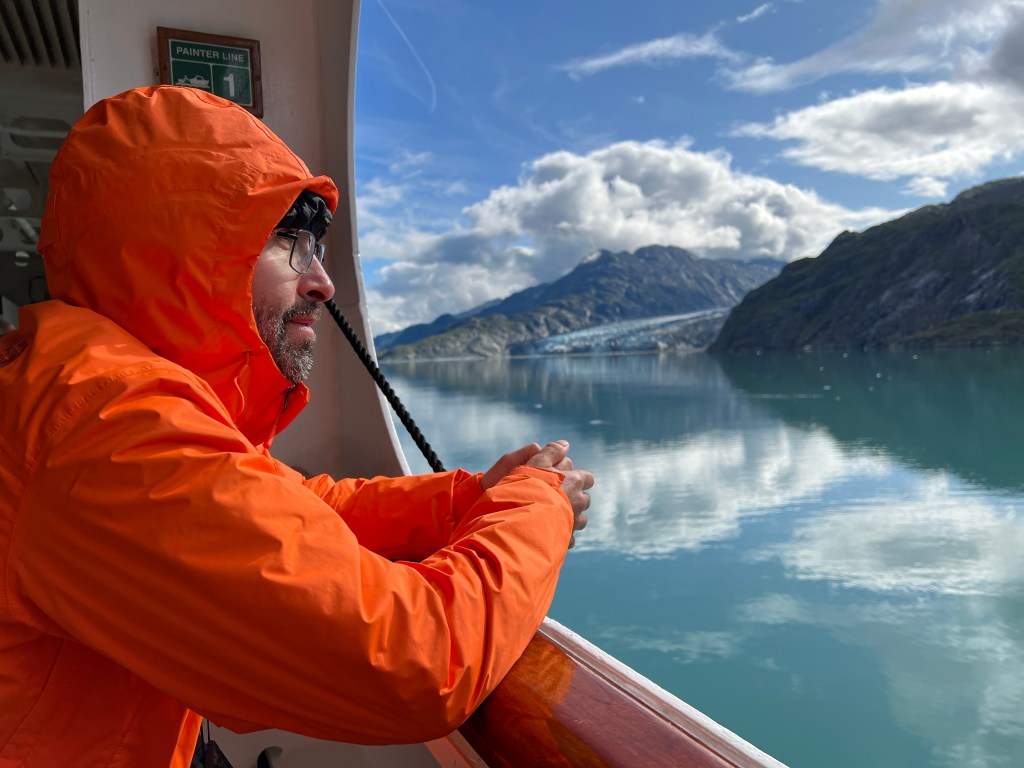
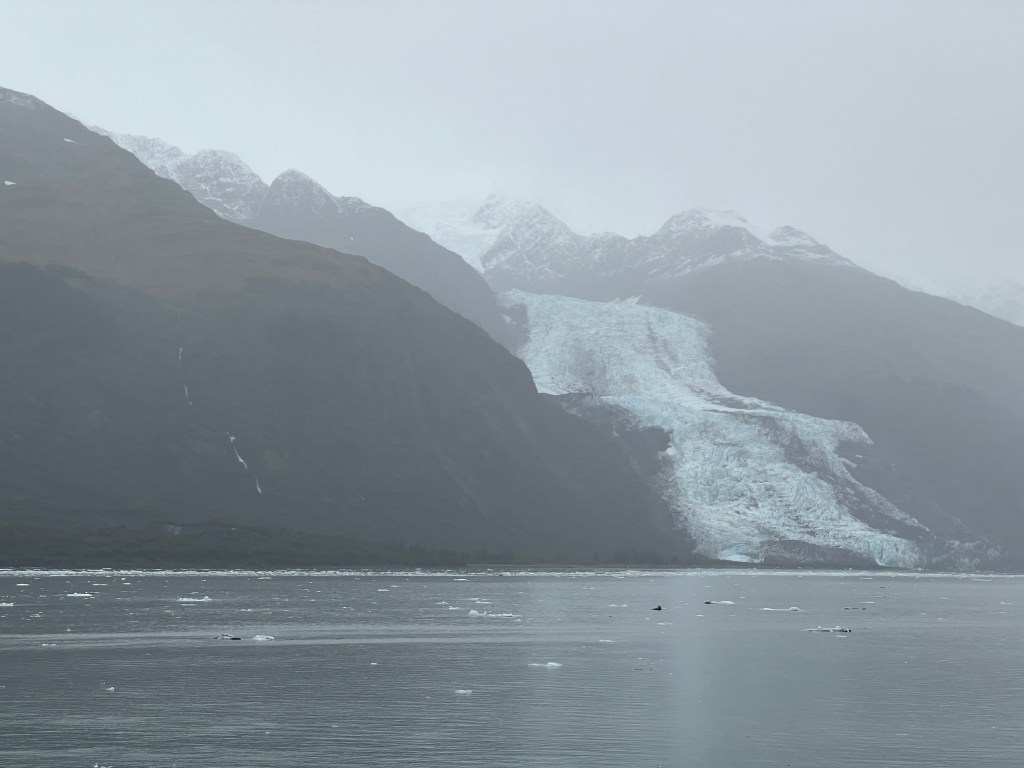
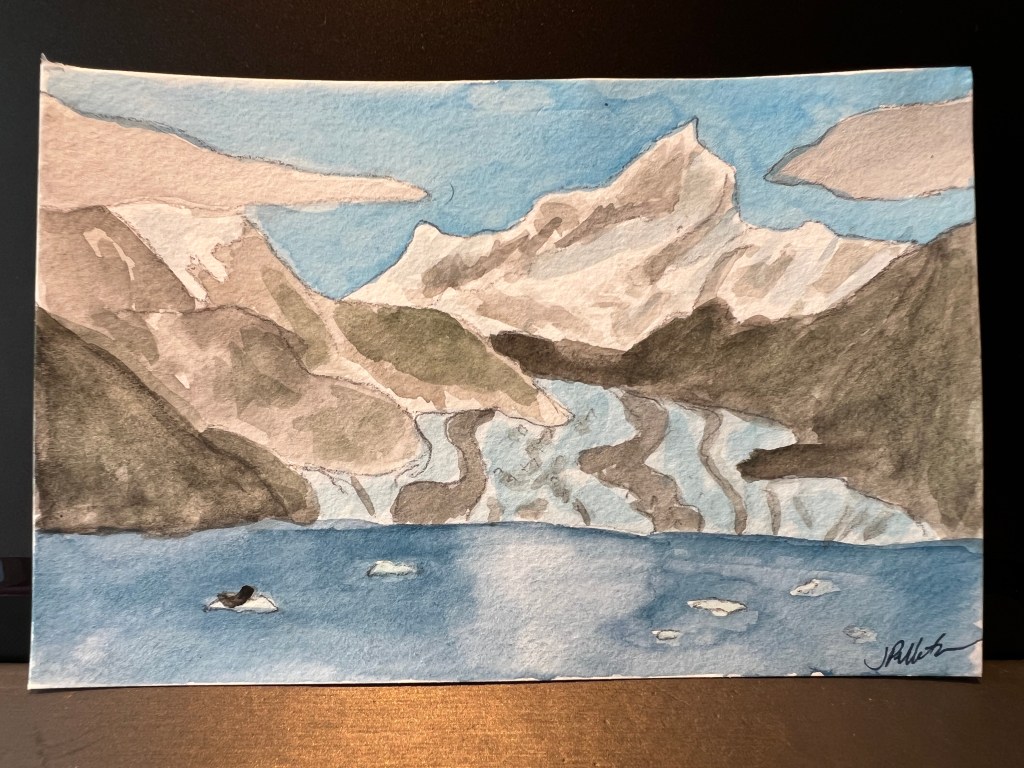
The first was to Glacier Bay National Park. Thé mist was lifting as we entered the channel, the sun’s rays broke through, and it was jaw-dropping spectacular. Snow-capped mountains, glacier-worn granite, turquoise waters, ice flows dotted with seals sunning themselves, and the moraine-striped cool blue of the glaciers. Wow.
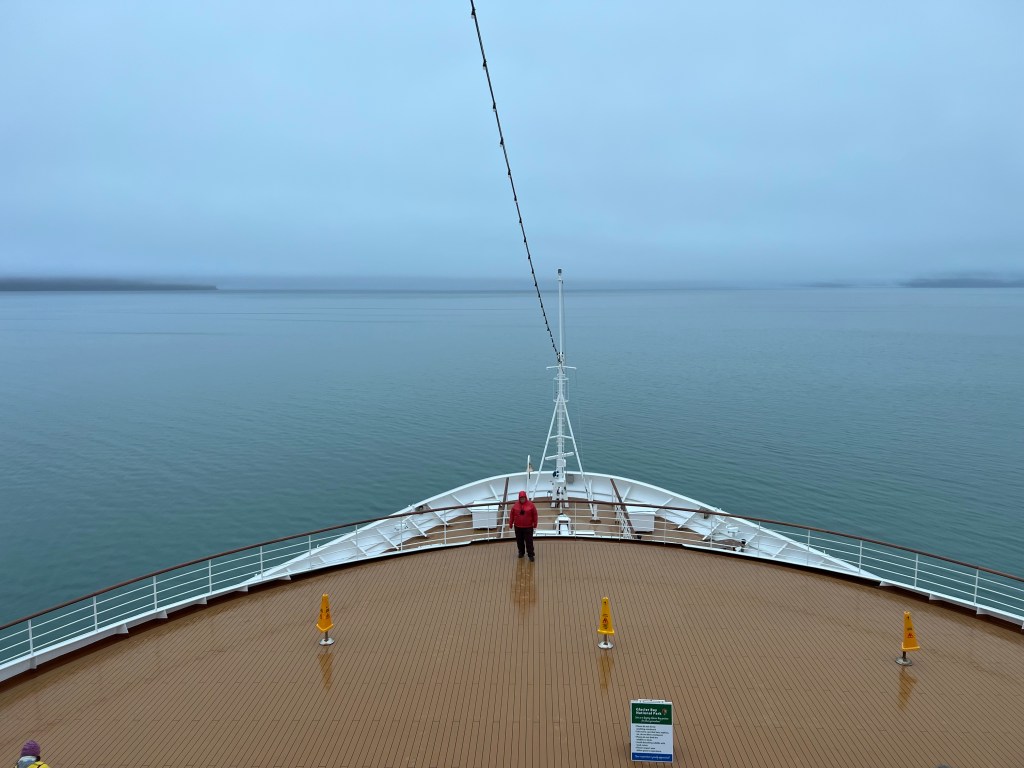
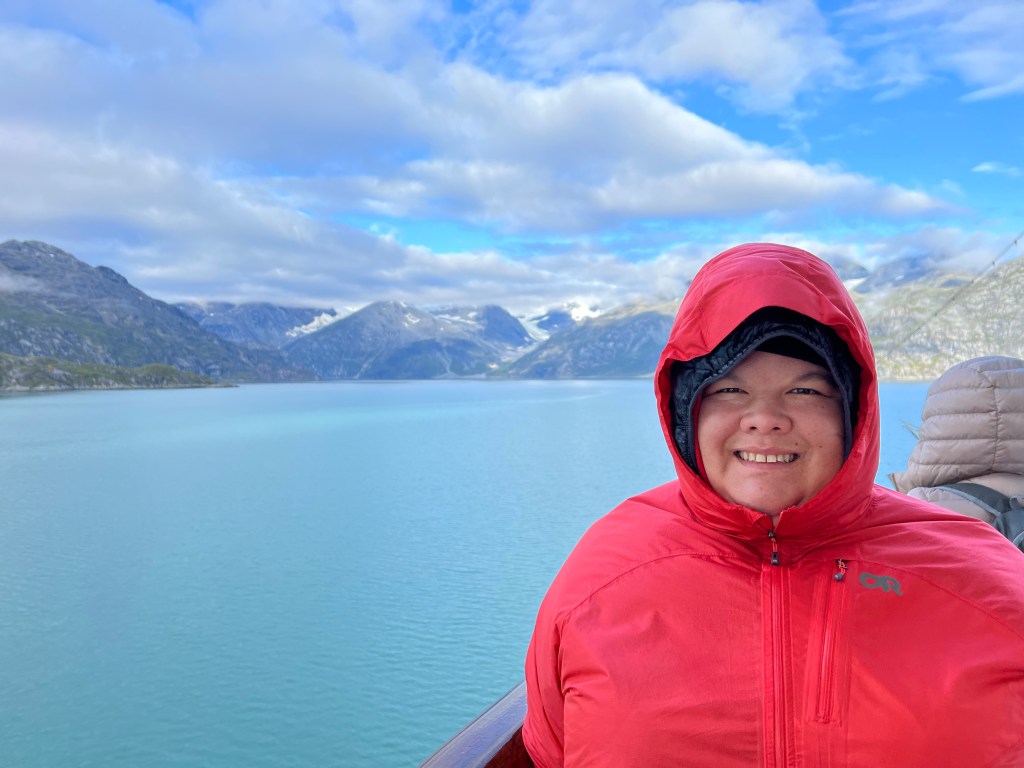
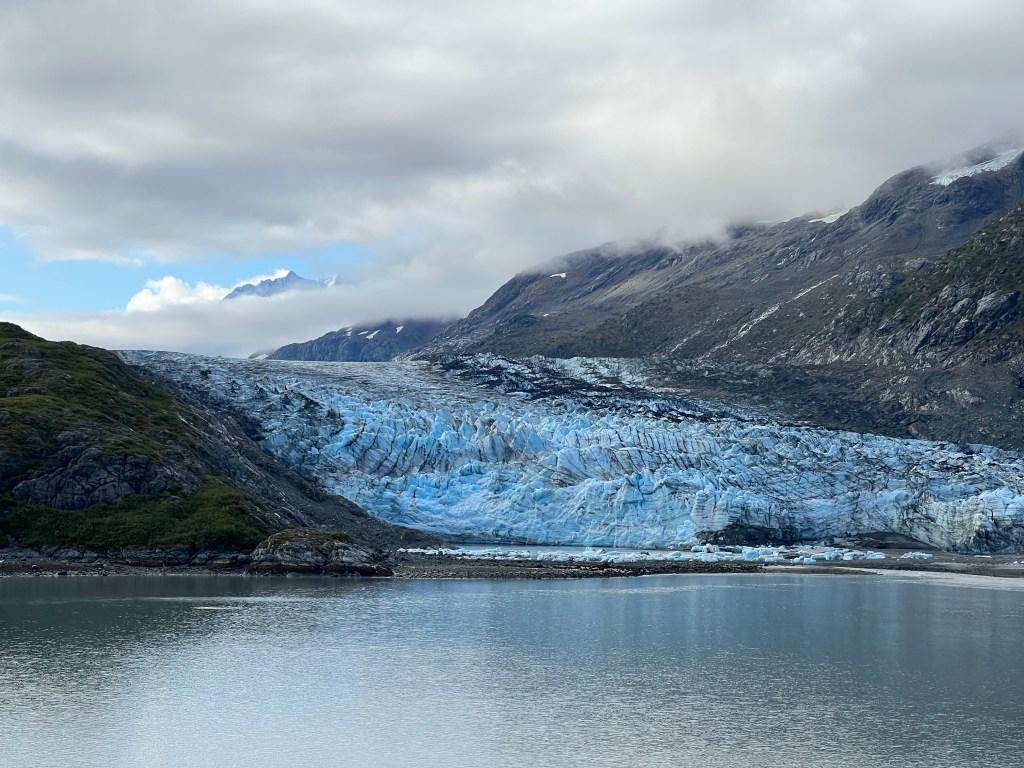
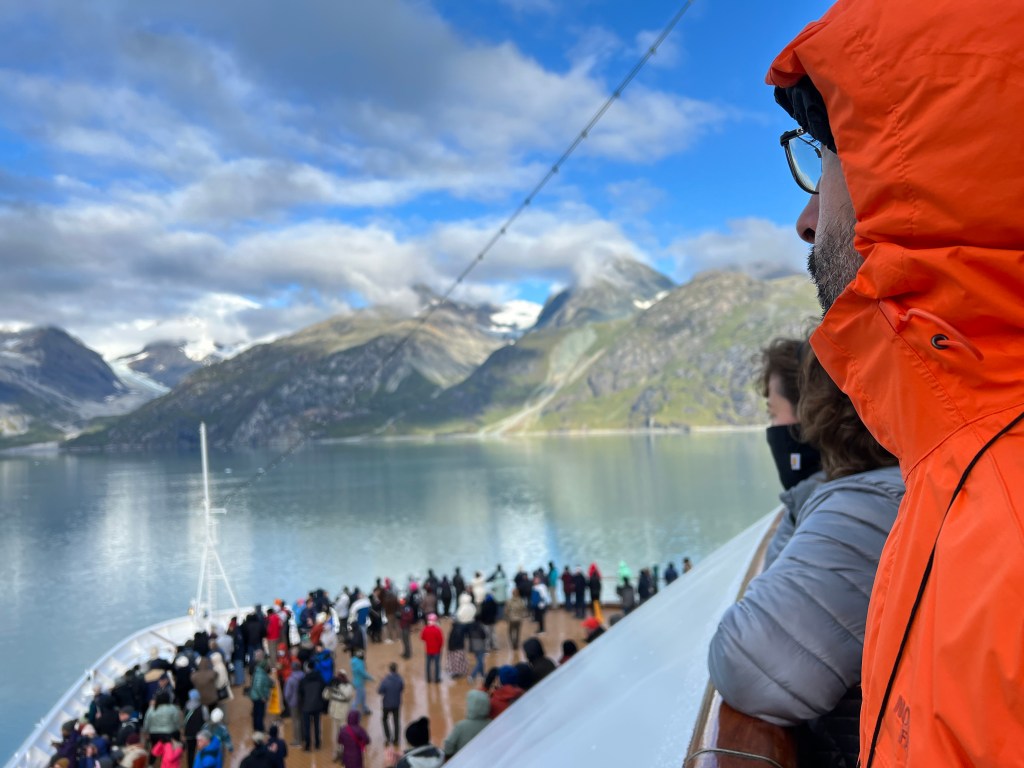
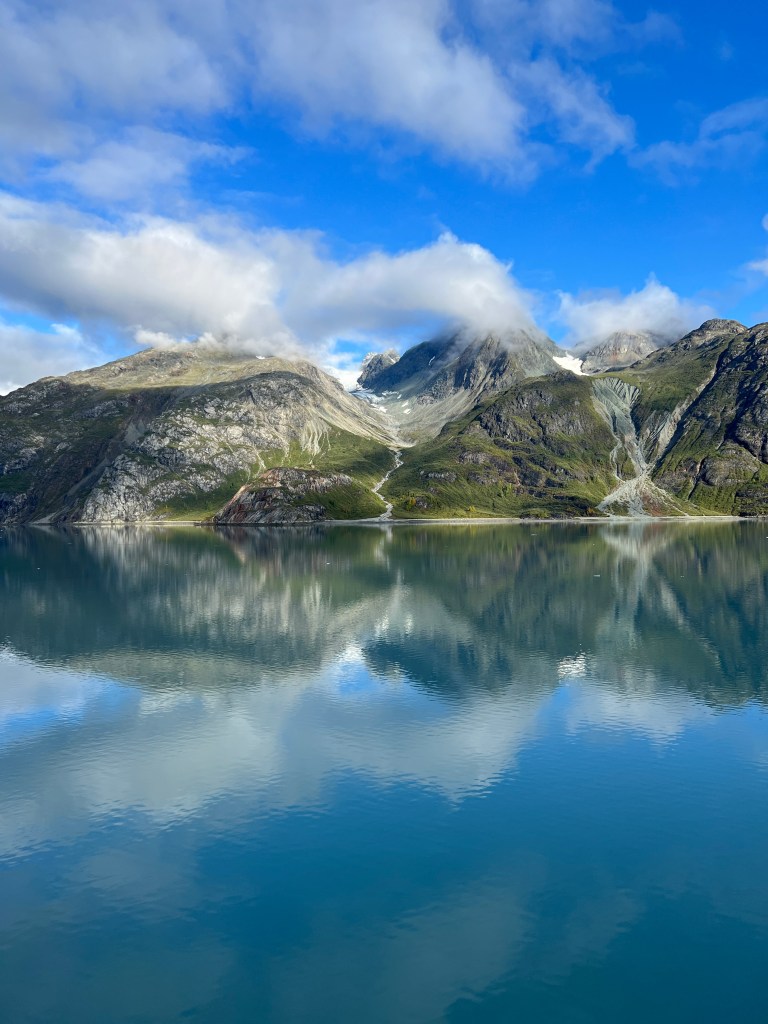
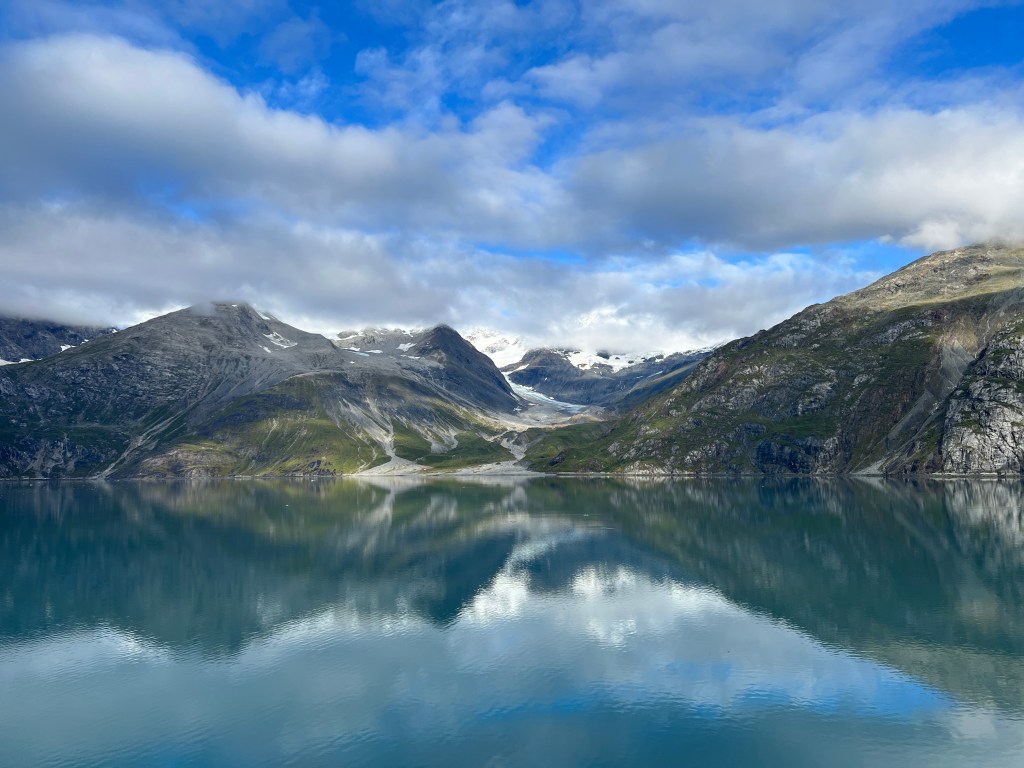
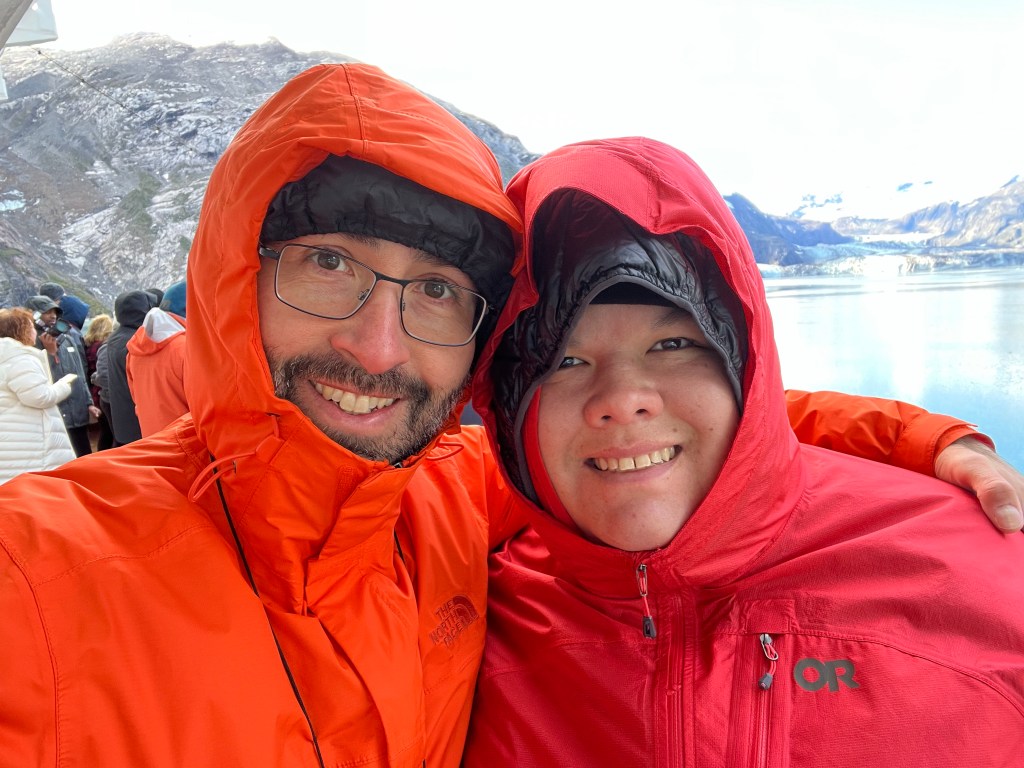
We visited two glaciers, including Johns Hopkins Glacier, which is only permitted to be visited by ships in September (after seal pupping season). The whole park is limited to two ships a day, so we we’re incredibly fortunate to take it all in. It calved several times while we visited – unreal.
After the glaciers we relaxed indoors, painting and sketching. Dinner was formal, during which we entered the Gulf of Alaska – open water, with five meter swells. Jen had to excuse herself, but Dave kindly fetched some motion-sickness medication from Guest Services, which promptly knocked Jen out for a long sleep.
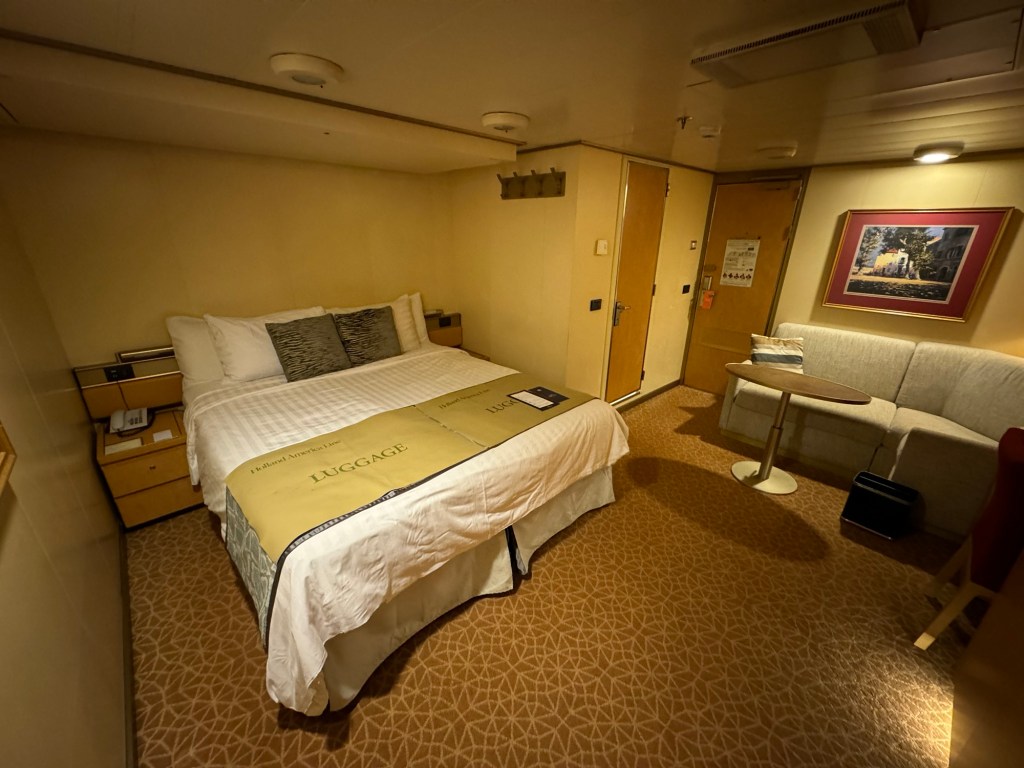
The next day the rocking continued, but Jen was less queasy. An easy morning watching the seas go by in the Crow’s Nest was followed by Alaska Brunch in the main dining room. Dave was now the queasy one, and he took it easy in the stateroom instead.
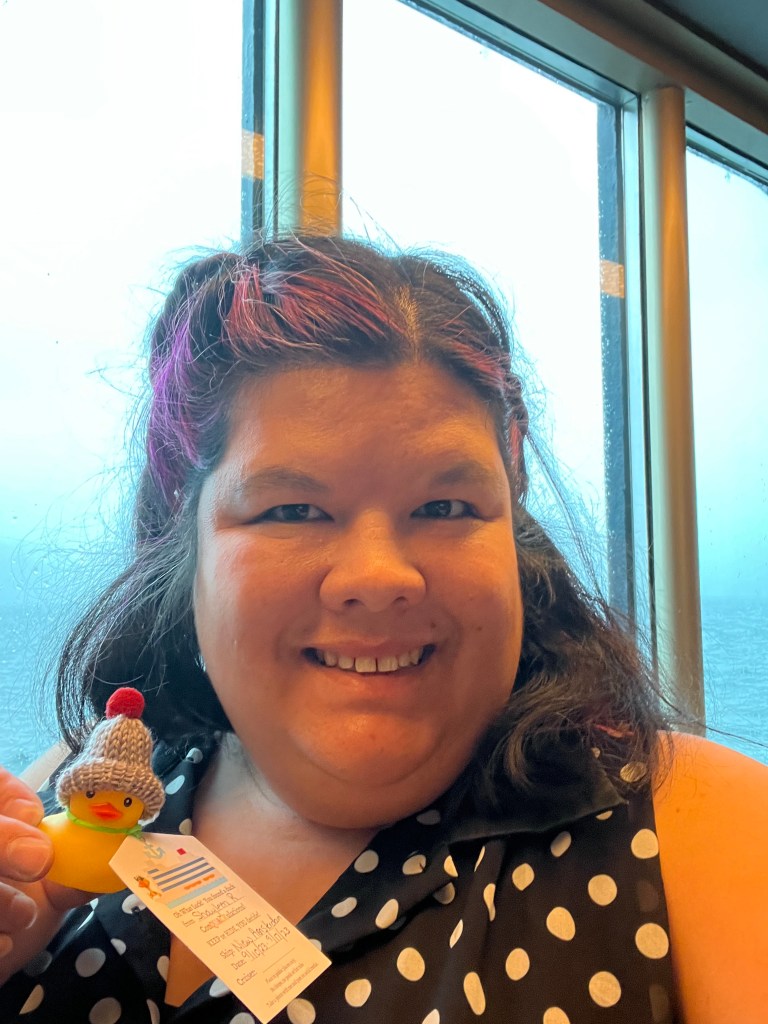
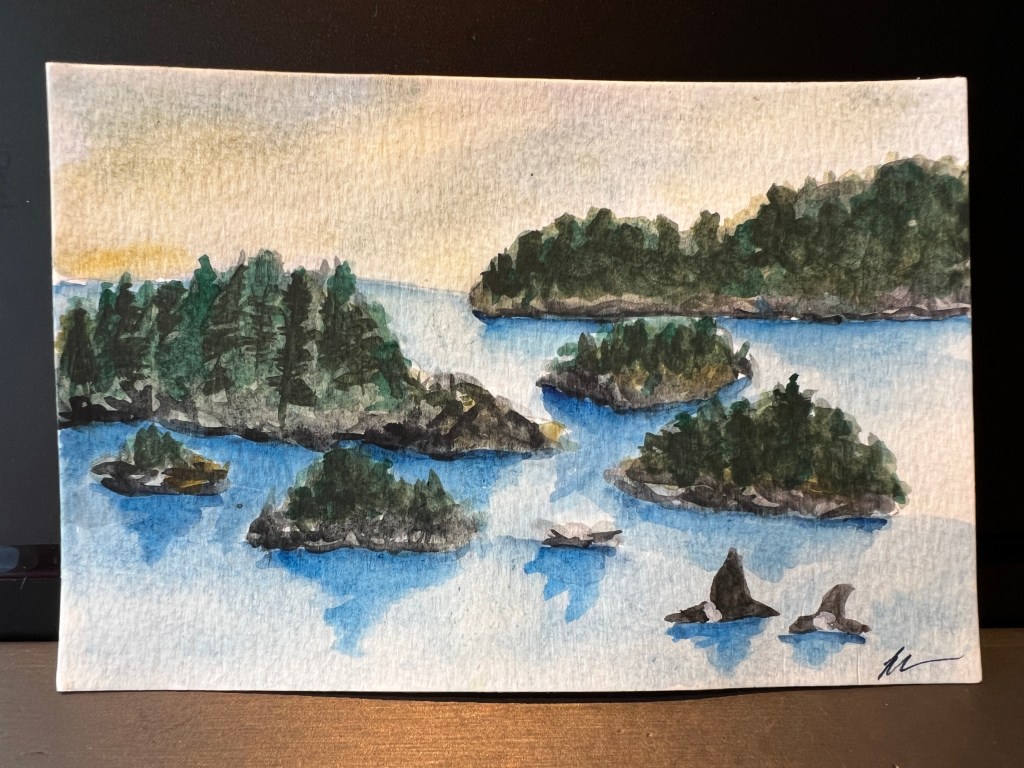
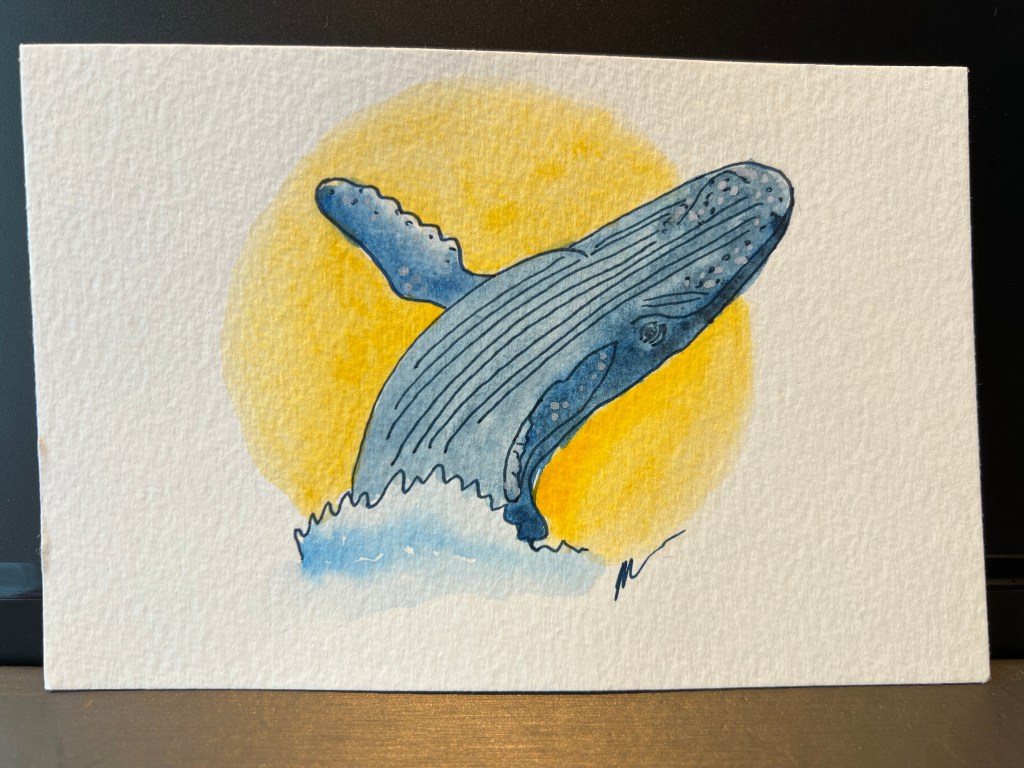
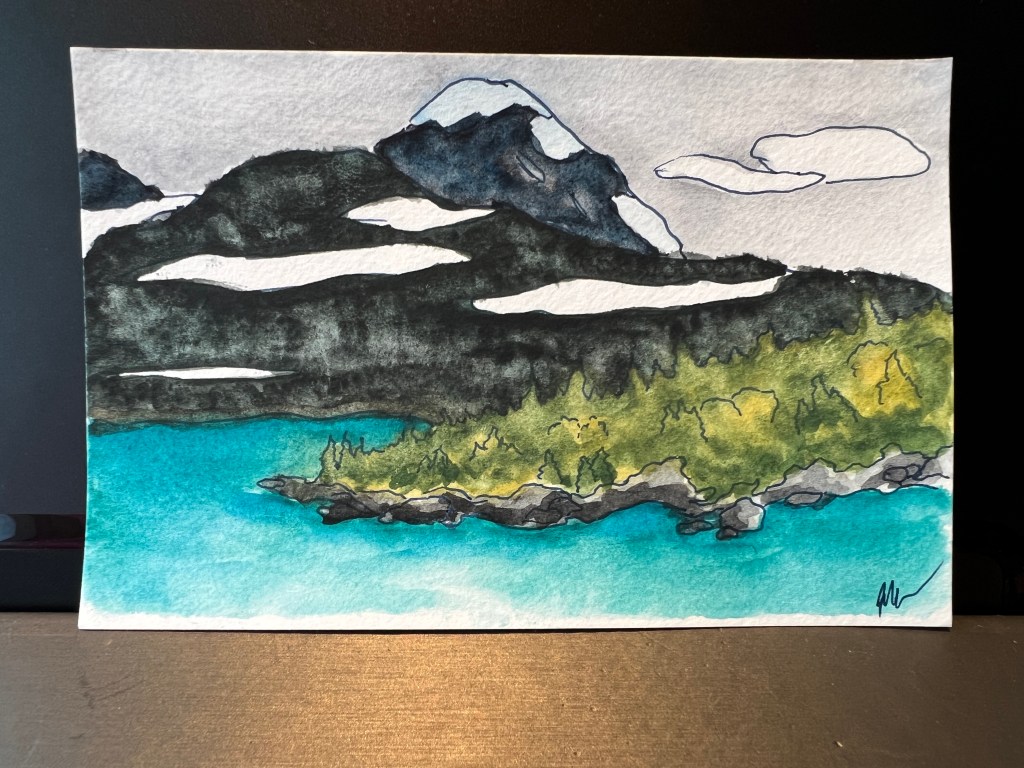
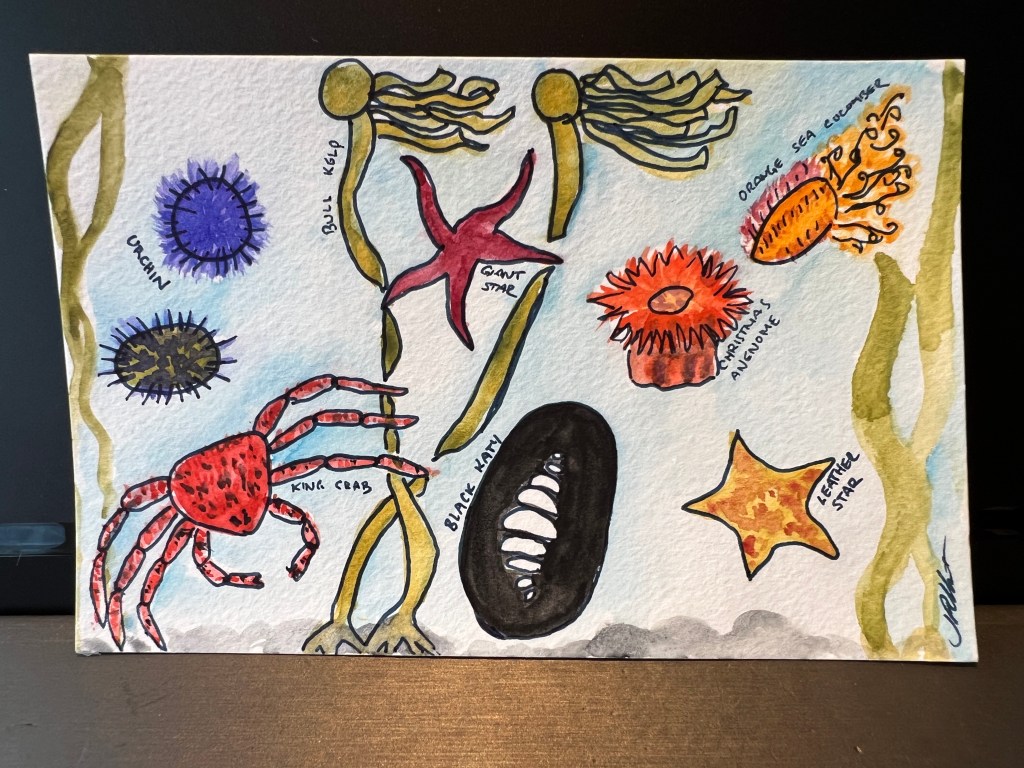
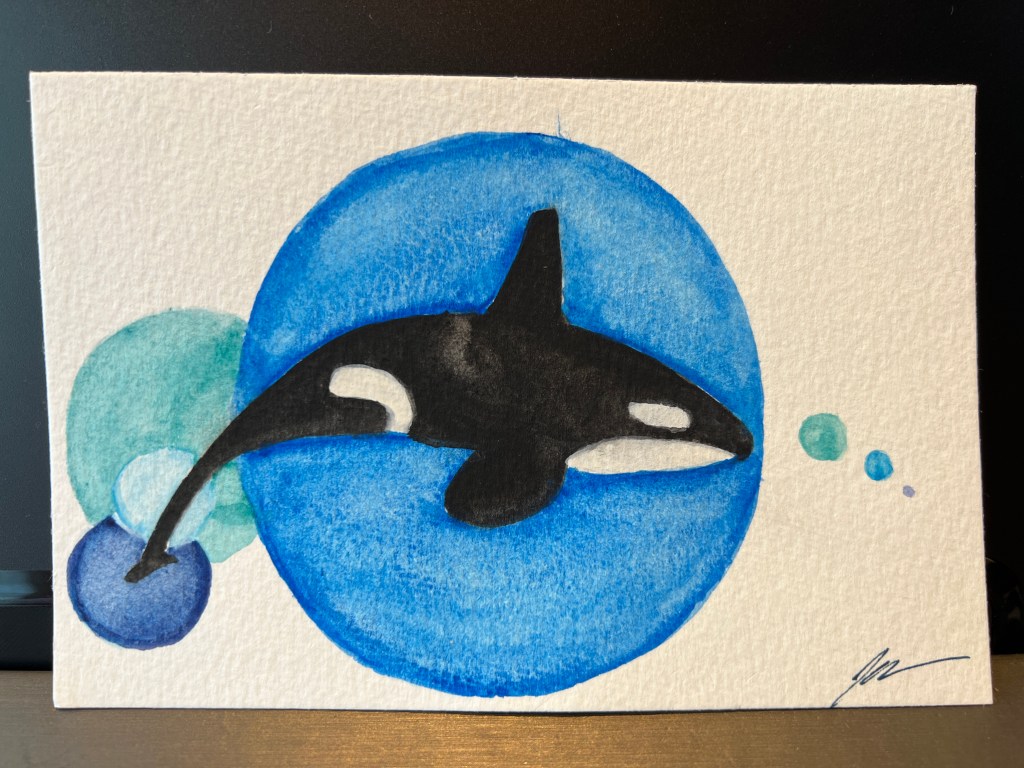
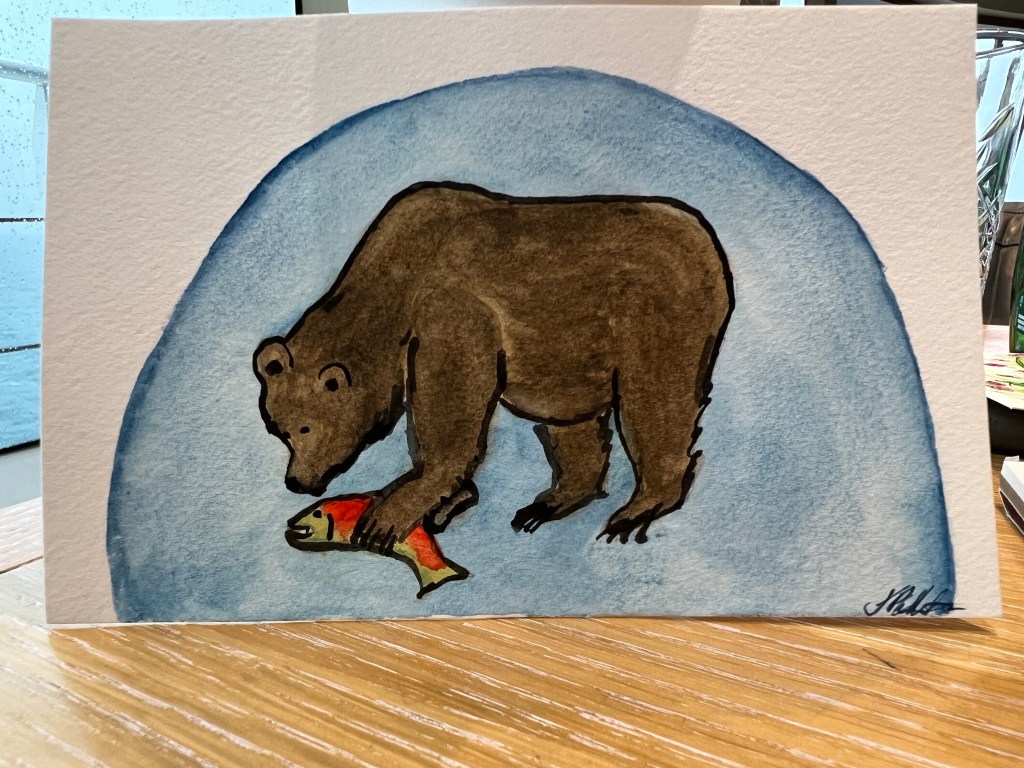
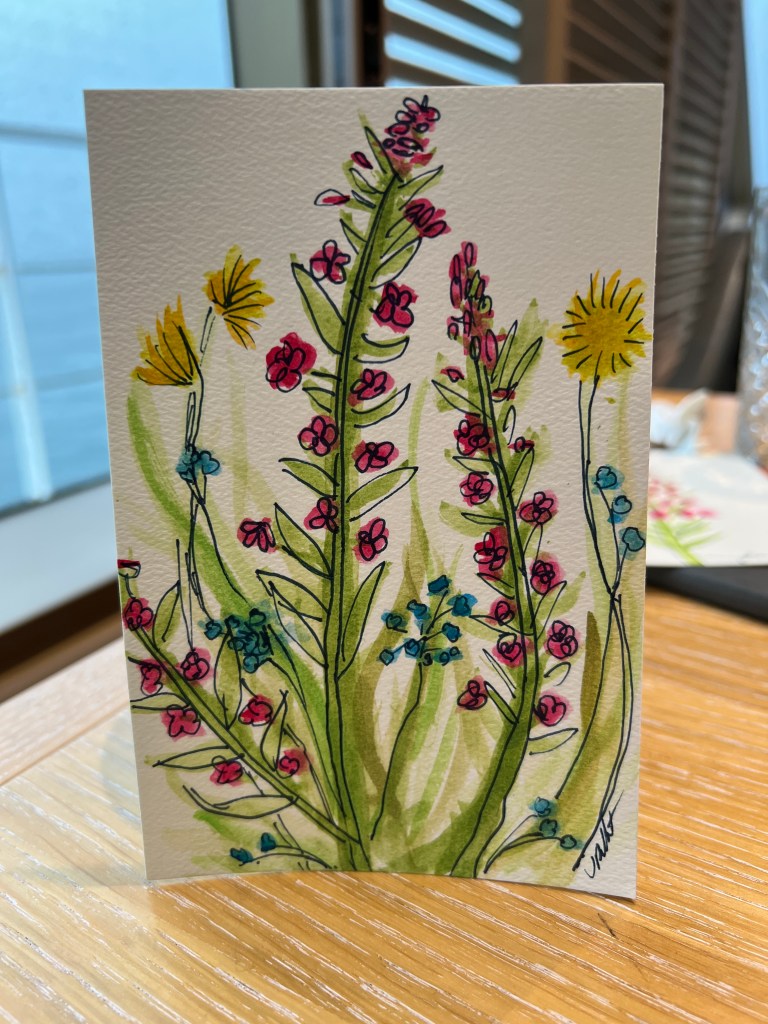
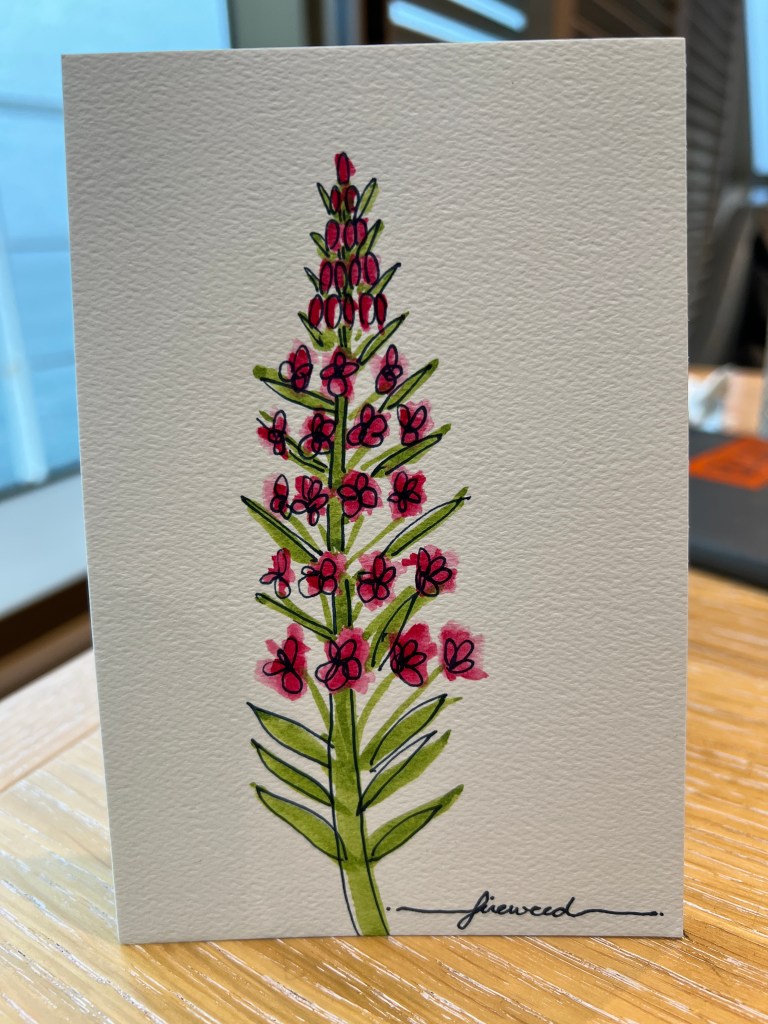
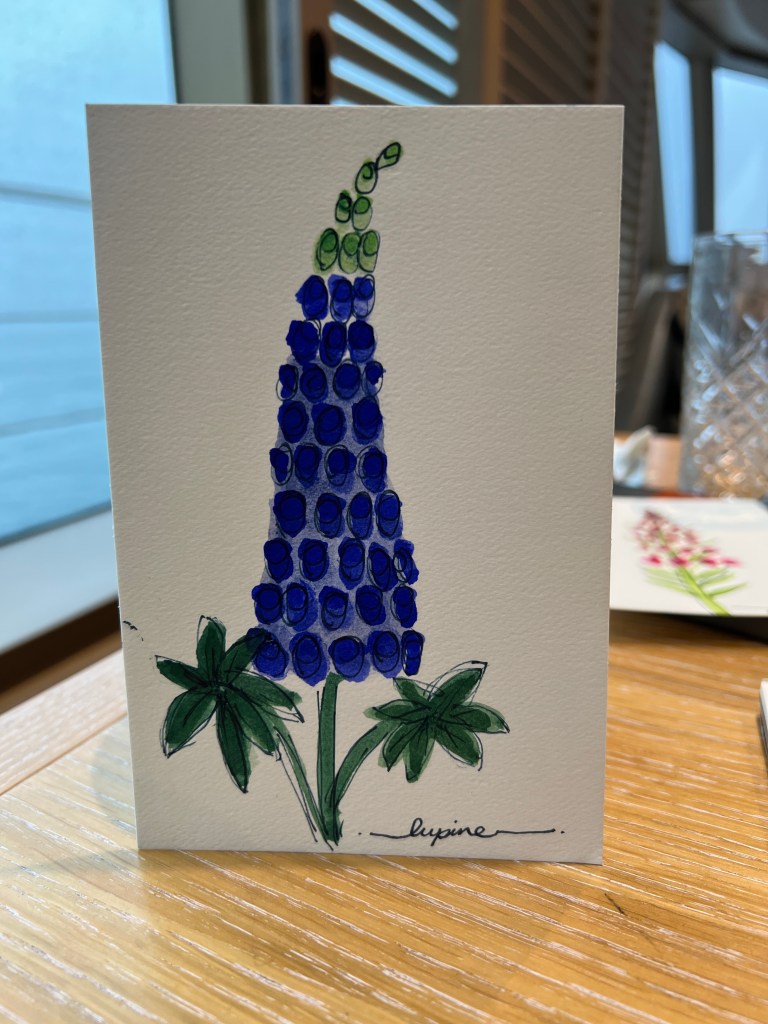
Jen spent the afternoon painting, and giving away many of them to fellow passengers, as well as taking part in a doodling class.
As dinner happened we cruised College Fjord, admiring the hanging glaciers from the dining room. We arrive in port in Whittier tonight, and disembark early.
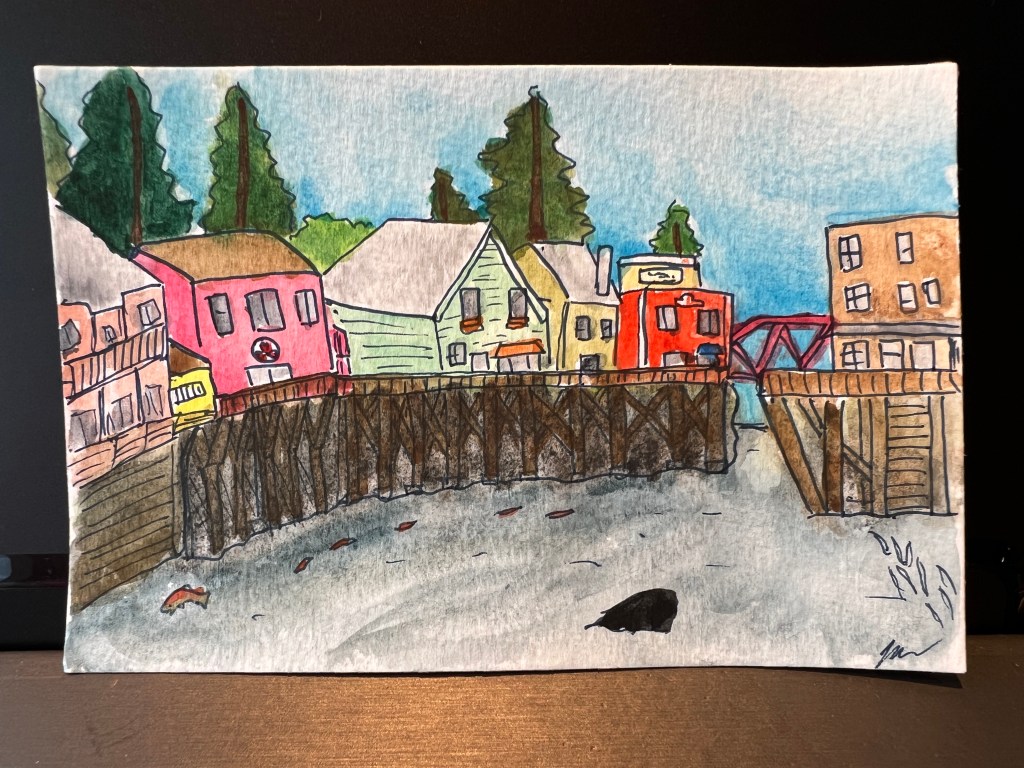
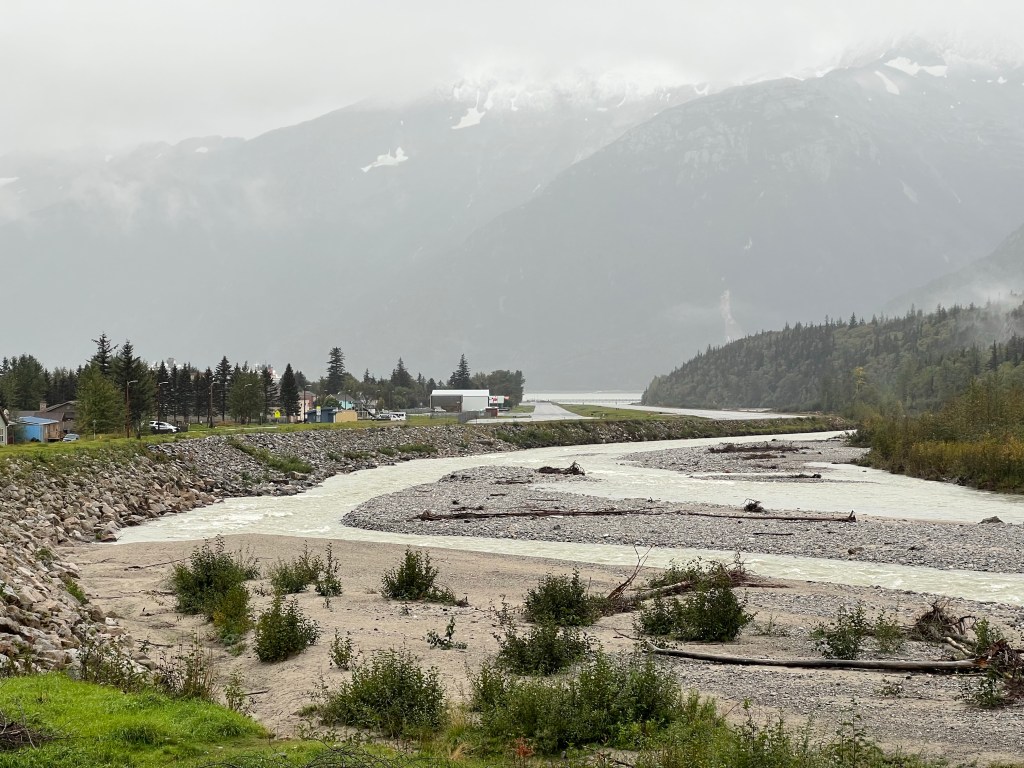
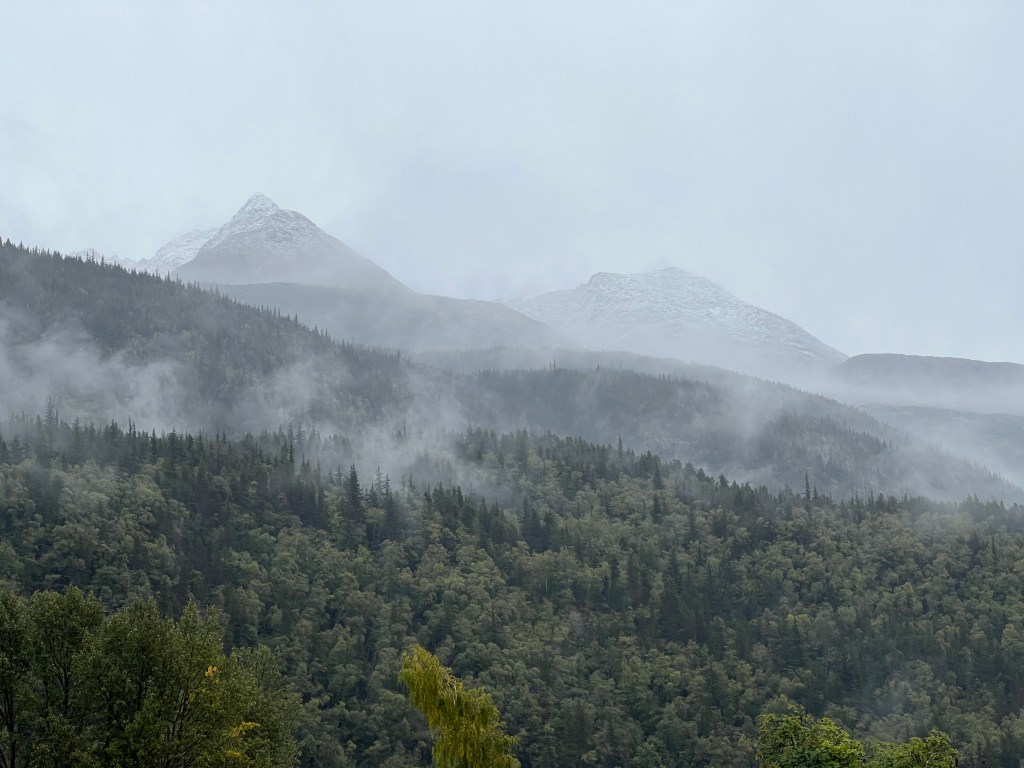
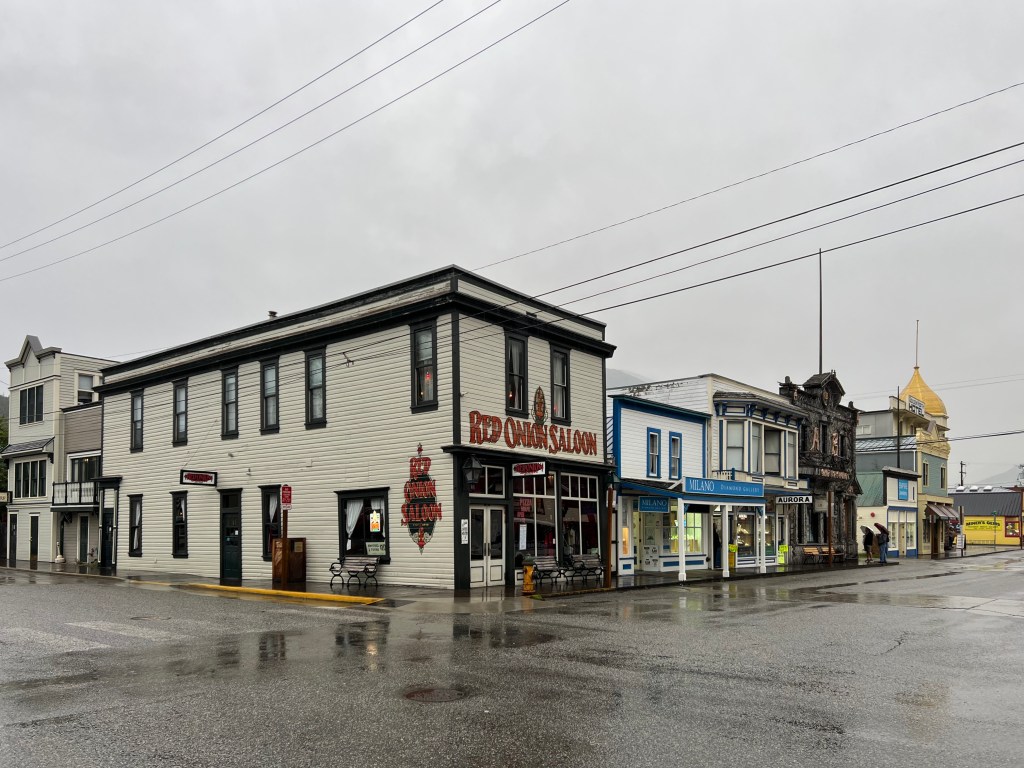
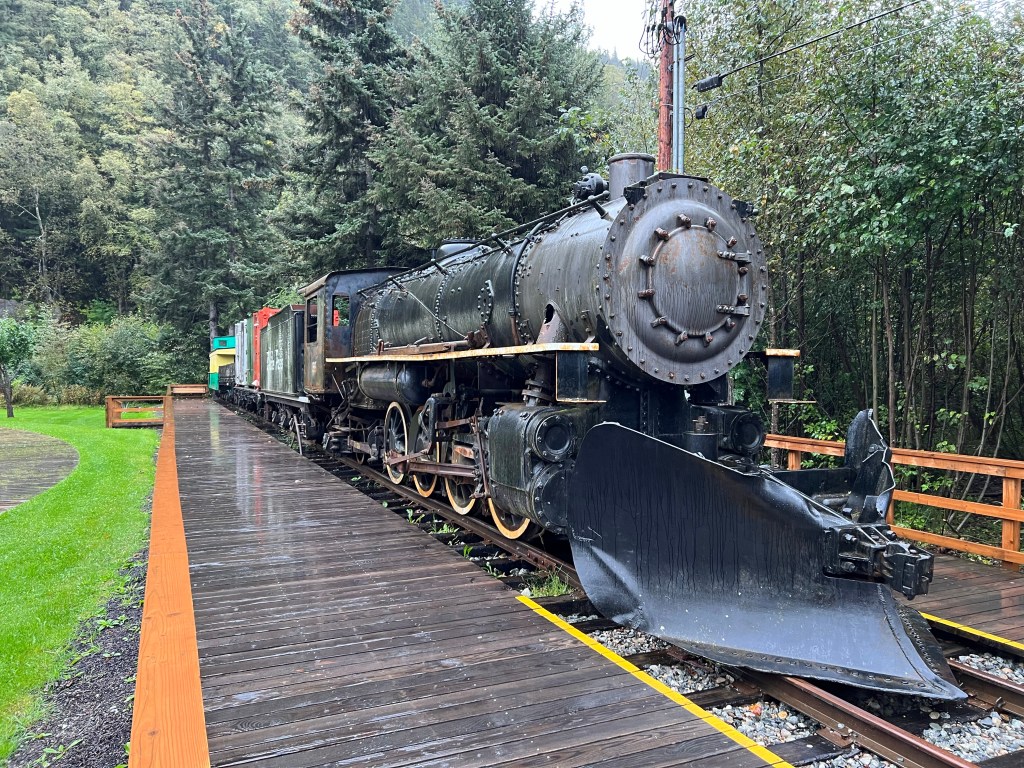
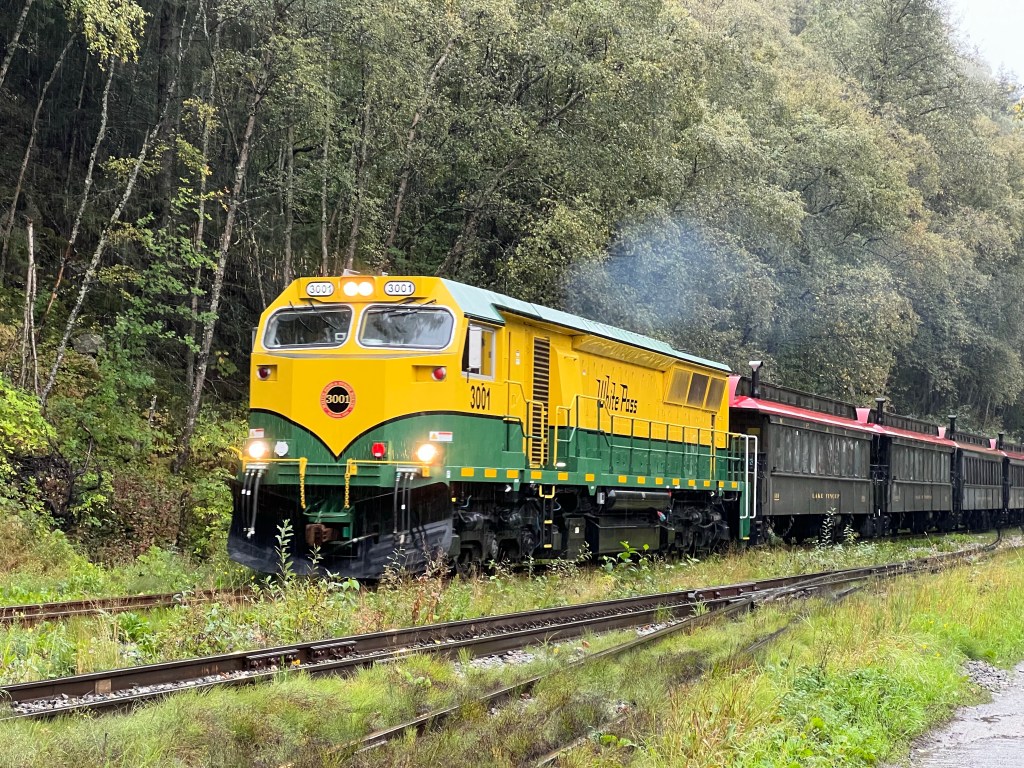
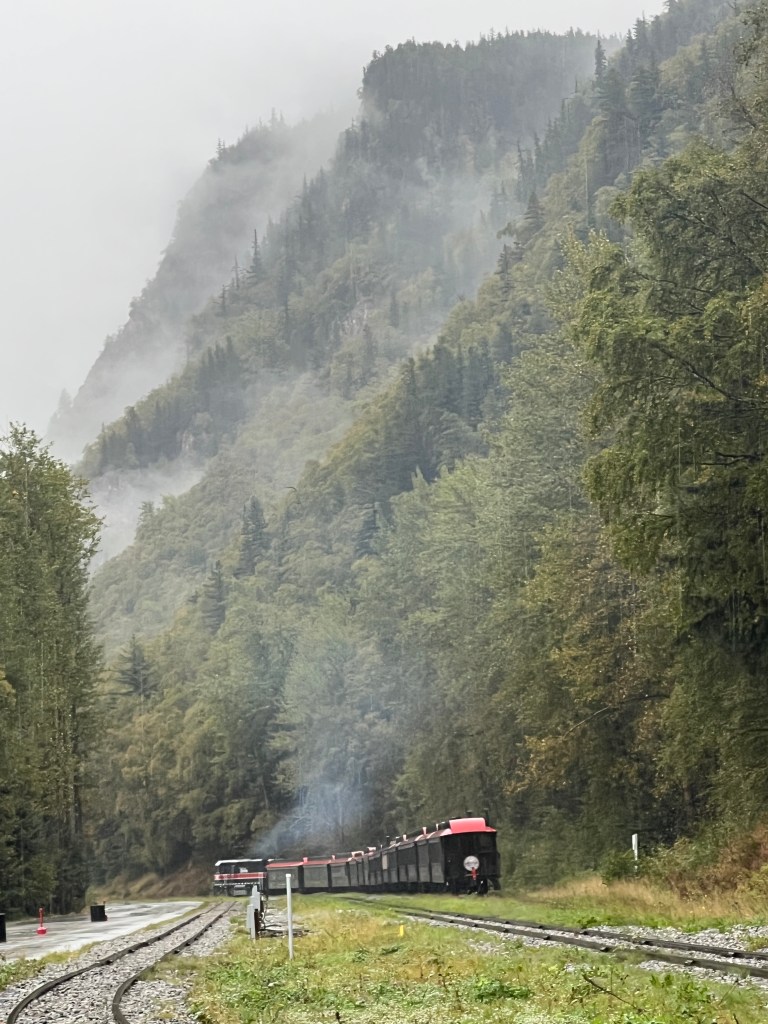
Skagway is a cute gold rush town in a horseshoe of snowy mountain peaks and misty forests, connected to the world through the marine highway, a land highway to Carcross, Yukon, the famed White Pass Railway, and the infamous Chilkoot Trail.
Town is small, allowing us to wander through it all, check out the trains, and walk back along the river within about an hour and a half. We finished with a trip to Rushin’ Tailors’ Quilt Alaska for their custom wilderness batiks and to the Gold Rush National Historic Site interpretive centre.
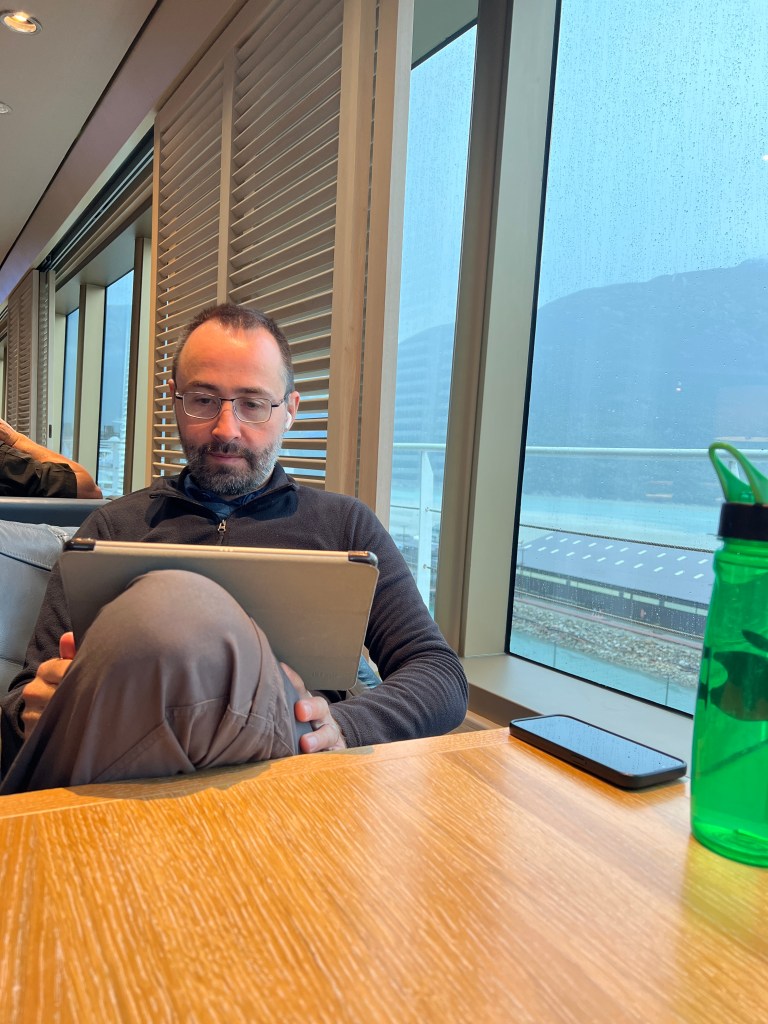
Next came a soak in a rain-topped hot tub, revelling in the mountain mist. A casual lunch and we found ourselves back at the Crow’s nest for some relaxing hobby time.